Ultra-High Computational Power AI and Modular Data Centers Embracing New Challenges in Energy and Thermal Management

OpenAI's recent 12-day launch event has garnered significant attention from the global tech community, with the most notable highlight being the release of GPT-O3. This AI model, boasting ultra-high computational power, has made remarkable strides in reasoning, generation, and decision-making capabilities, signifying a more significant step for artificial intelligence in the realm of Artificial General Intelligence (AGI). GPT-O3 is not only capable of handling more complex tasks but also adaptable to a broader range of application scenarios, demonstrating an unprecedented level of intelligence.


The rapid iteration of AI technology has not only further increased the demand for ultra-high computational power but also raised the bar for green ICT energy infrastructure equipment providers: providing more effective and reliable Energy Supply and Thermal Management for high-density Data Centers and intelligent computing centers has become key to the success of companies within the industry.


The Rise of High Computational Power: New Challenges for Energy and Thermal Management


In the future, as high computational power AI models like GPT-O3 gradually become commercially available, the operation of Data Centers and intelligent computing centers will face unprecedented pressure. The rapid iteration of AI models, which continuously pushes the limits of computational power devices, poses higher demands on the modular layout of Data Centers and intelligent computing centers—faster deployment of higher computational power devices, and the installation and use of higher power Energy Supply and more precise Thermal Management equipment are required. The necessity of building modular Data Centers is self-evident.


When addressing these challenges, modular Data Centers reveal their unique advantages. Firstly, they offer extreme flexibility and scalability, enabling rapid expansion based on the growing demand for computational power, avoiding the time delays and resource waste that traditional Data Centers may encounter during construction. Secondly, due to the prefabrication and standardization of modular design, the deployment speed is greatly accelerated, allowing companies to respond more quickly to technological changes and shorten the cycle from planning to operation.


Faced with the immense pressure of high-power computational devices on energy demand, modular Data Centers, with their precise energy management systems, can optimize power distribution, improve Energy Efficiency, and effectively reduce energy costs. At the same time, the customized Thermal Management systems of modular Data Centers can be adjusted according to the needs of different regions, ensuring the stable operation of equipment and preventing overheating or malfunctions. More importantly, thanks to their highly standardized design, modular Data Centers can not only reduce initial capital expenditures but also decrease long-term operational costs, and enhance the maintainability and fault tolerance of equipment, preparing for the deployment of higher computational power in the future. For data center builders with small budgets, this is undoubtedly a boon.


Providing Efficient Energy and Thermal Control Solutions for the Era of High Computational Power


To efficiently address these challenges, we offer a range of customized Energy Supply and Thermal Management solutions to ensure that your computational facilities always operate stably and efficiently, enhancing overall business efficiency:


(1) High-Efficiency UPS Systems


To ensure that your equipment always operates stably, we provide online modular UPS and online high-frequency UPS systems that can effectively cope with power fluctuations or failures, avoiding the risk of downtime. Our systems feature delay time calculation capabilities to help you plan power security precisely, ensuring continuous operation of equipment during power outages and maximizing the protection of your critical assets.


(2) Green Energy Solutions


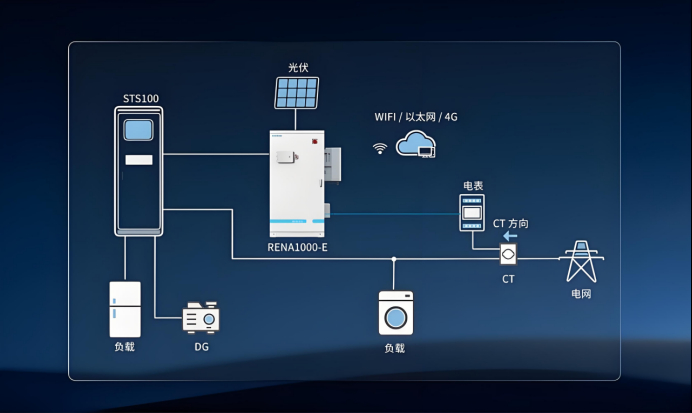
While reducing energy costs and minimizing environmental footprints, we provide clients with green energy solutions that combine solar and wind energy. Integrated with energy storage systems and smart grids, these solutions can optimize energy management, providing you with more stable energy supply, reducing dependence on traditional energy sources, and supporting your Sustainable Development Goals.


(3) Innovative Thermal Control Technologies


High computational power devices generate a significant amount of heat under high loads, posing a great challenge to Data Center thermal control. Our liquid cooling systems and precision air conditioning solutions can efficiently address this issue, ensuring that equipment remains cool during high-load operations, preventing equipment failures due to overheating, and reducing unnecessary downtime and maintenance costs.


(4) Smart Energy Management System (EMS)


Our Energy Management System (EMS) helps you achieve intelligent energy distribution by monitoring and dynamically scheduling energy loads in real-time. The system can optimize the efficiency of electricity use, reduce operating costs, and improve energy utilization rates, providing you with a more economical and sustainable energy solution that ensures the economic viability of long-term operations.


(5) Environmental Monitoring and Management


By providing temperature and humidity monitoring and fault warning systems, we offer comprehensive environmental monitoring solutions. Monitoring changes in equipment environments in real-time helps you respond quickly to potential failures, preventing equipment damage caused by abnormal temperatures or humidity fluctuations. With data-driven decision-making, you can manage your Data Center more accurately, enhance equipment stability, and reduce failure rates.


Immediate Access to Professional Technical Support to Solve Your High Computational Power Challenges


Find and consult us now, and our professional team will provide you with the following services:


(1)Delay Time Calculation: Precisely evaluate the delay performance of the uninterruptible power supply system to ensure uninterrupted power security and reduce the risk of unexpected downtime.


(2) Air Conditioning Cooling Capacity Calculation: Provide you with thermal control demand analysis to help optimize the cooling system, ensuring that equipment maintains the optimal temperature under high loads.


(3) Power Load Assessment: Analyze the existing power load of the Data Center and predict the power demand after the introduction of high computational power equipment, helping you optimize energy configuration.


(4) Liquid Cooling System Design Suggestions: Provide customized liquid cooling system solutions based on your specific needs, improving cooling efficiency and reducing energy consumption.


With our professional support, you can obtain tailored solutions to ensure stable operation of high computational power tasks, reduce energy waste, and improve overall system efficiency. Whether it's enhancing the efficiency of the UPS system or optimizing the liquid cooling system and thermal control equipment, we can provide professional advice to help you stay ahead in the face of growing computational demands.
 

Why Potting the DC Connector Joint Matters | Workersbee

DC fast-charging puts a lot of stress on one small place inside every plug: the pin-to-wire joint. That interface has to carry high currents, withstand vibration, resist moisture and salt, and do it all inside a compact housing. Potting—also called encapsulation—fills and seals this joint with a specialized resin so it is isolated from air and mechanically stabilized. Done right, the joint lasts longer, holds its insulation margins, and runs steadier under the same load.


What potting does

Potting blocks moisture and contaminants from reaching metal surfaces that would otherwise corrode. It immobilizes the crimp or weld and the conductor so the joint resists pull, shock, and long-term vibration. It increases insulation distance and helps prevent surface tracking. Just as important, it replaces air pockets with a continuous medium that gives heat a defined path to travel, smoothing out local hotspots. Because the fill and cure are executed in a controlled way, unit-to-unit variation tightens, and overall build consistency improves.


Failure modes without potting

When the joint is left unsealed, moisture and salt can creep toward metal interfaces and accelerate oxidation. Vibration can shift the contact geometry over time, nudging resistance upward and creating local heating. Small voids around the joint behave like thermal insulators, so hotspots form more easily. These mechanisms compound under fast-charge conditions and show up as unstable temperature behavior and shortened service life.


Inside Workersbee’s potting process: overview

Workersbee encapsulates the pin-to-wire joint on CCS1, CCS2, and NACS connectors through a qualified, repeatable workflow. Assemblies that pass the prior quality gate are masked on exterior areas to prevent resin contamination of visible surfaces. A multi-component resin system is prepared to a defined ratio and blended until uniform. Operators verify homogeneity and expected curing behavior with a small test sample before any connector is filled. Filling is carried out in controlled, staged doses rather than a single pour. The feed enters from the rear of the connectors, the resin wets the joint first, and naturally displaces trapped air. The objective is complete coverage with minimal voids while preserving the clearances required for downstream assembly. Curing then proceeds within a qualified window under controlled conditions. Assisted curing is applied when needed to keep the process inside approved limits. Parts move forward only after the resin reaches the specified set state and exterior surfaces are cleaned for later assembly.

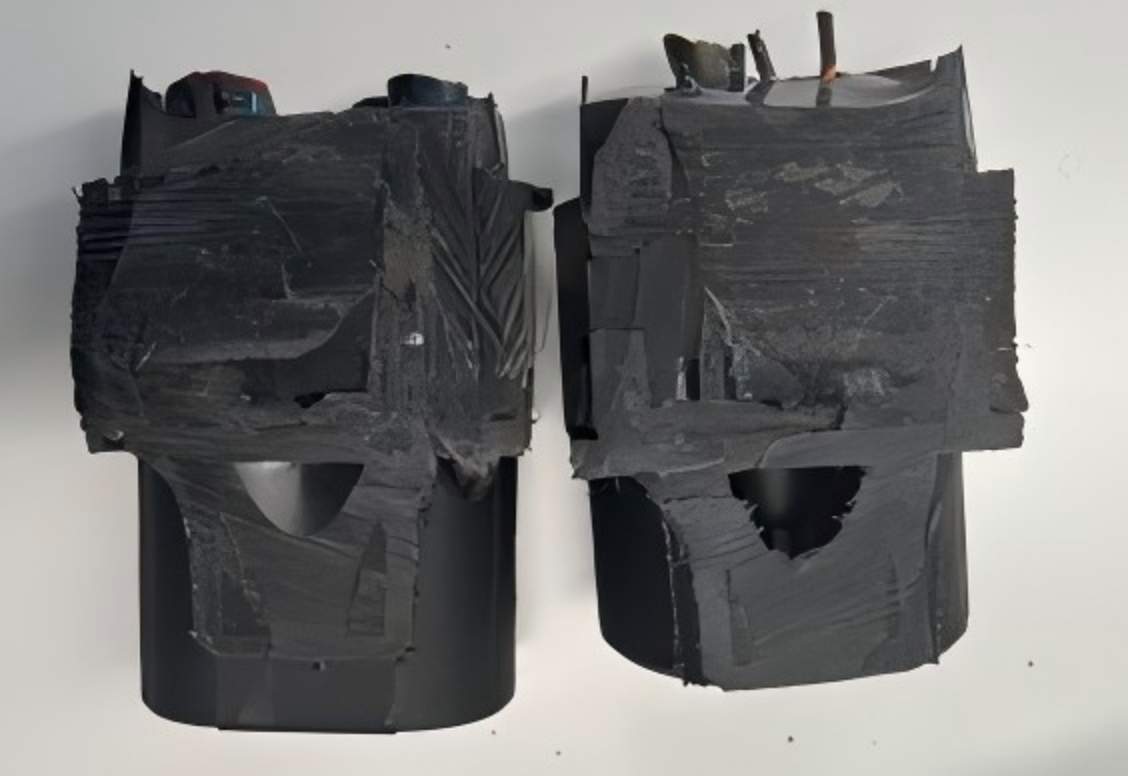
 potting cross-section

                                                                   potting cross-section


Inside Workersbee’s potting process: in-process quality controls

Workersbee maintains material and process traceability from resin lot to dispense conditions. At defined intervals, additional samples confirm the expected cure behavior. Sample units are sectioned where appropriate or checked thermographically to verify continuous coverage and healthy cure without critical voids. Nonconforming pieces are isolated with clear disposition. Dispense lines and mixing elements are refreshed on a routine schedule to prevent in-line cure or ratio drift, and tooling is maintained so flow and mix accuracy remain stable over a full production run.


Why does temperature rise improve

Air is a poor conductor, and tiny voids act like insulators. By filling those micro-pockets and locking the joint geometry, potting reduces thermal resistance right where it matters and helps contact resistance stay consistent even under vibration. The resin also establishes a repeatable path for heat to spread into the surrounding mass, which reduces localized peaks. In controlled evaluations under comparable conditions, the joint shows a noticeable drop in temperature rise.


Reliability and safety checks that count

A robust process controls the resin mix ratio and records traceability for every batch. The environment for mixing, filling, and curing is managed to avoid drift. Fill quality and cure are verified on samples through sectioning when appropriate or with non-destructive methods such as thermography to ensure there are no critical voids and the thermal behavior matches expectations. Cosmetic and functional acceptance criteria are explicit so nonconforming units can be isolated and disposed of without ambiguity. Dispensing equipment is maintained on a schedule to prevent cure-in-line and ratio errors.


For DC connectors, reliability is won at the joint. Encapsulating that area keeps moisture out, holds the geometry where it should be, and gives heat a predictable path to leave. When those basics are done well, the rest of the system has room to perform.

What's the photovoltaic solar power be used?

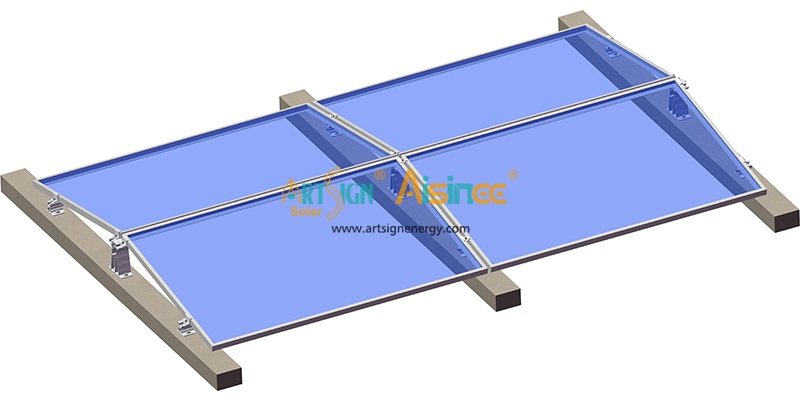
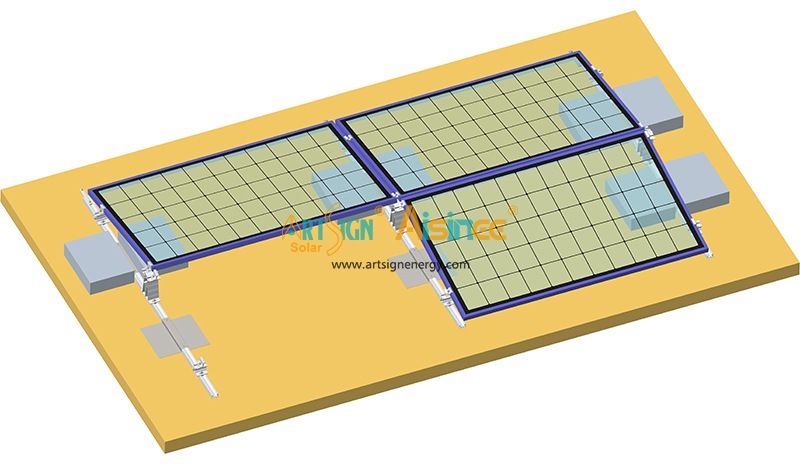
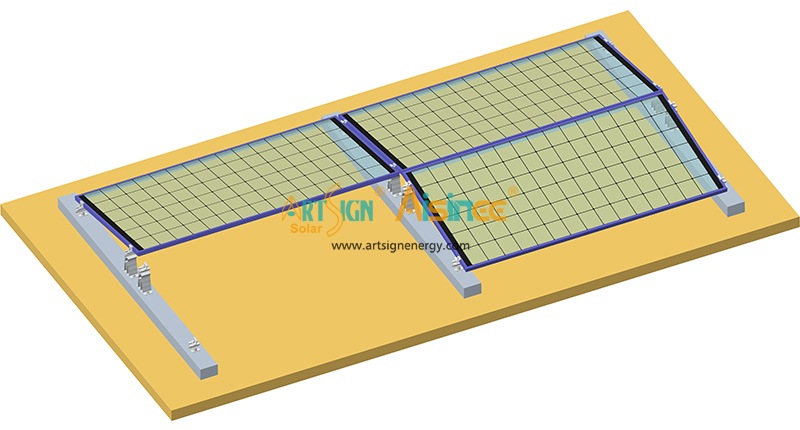
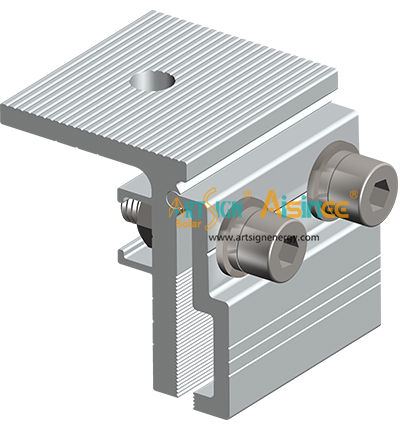
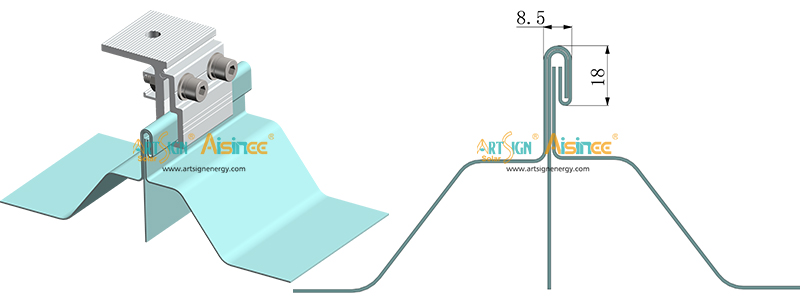
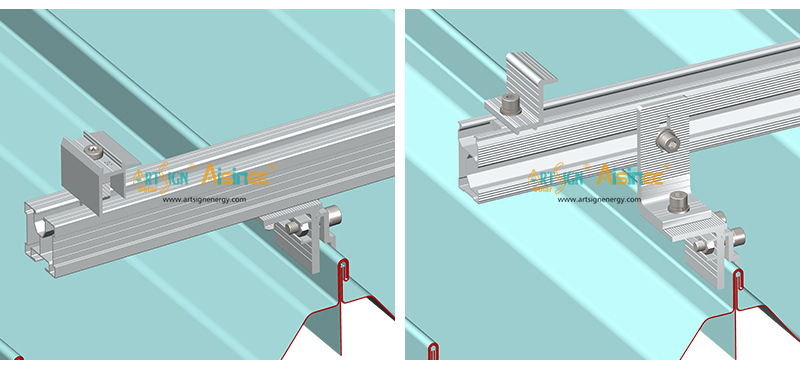
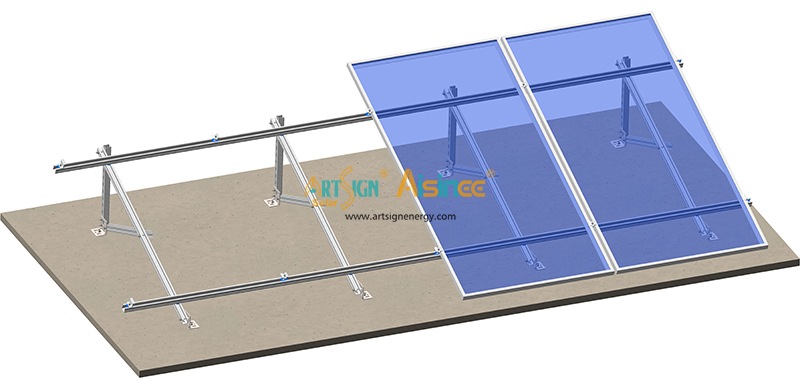
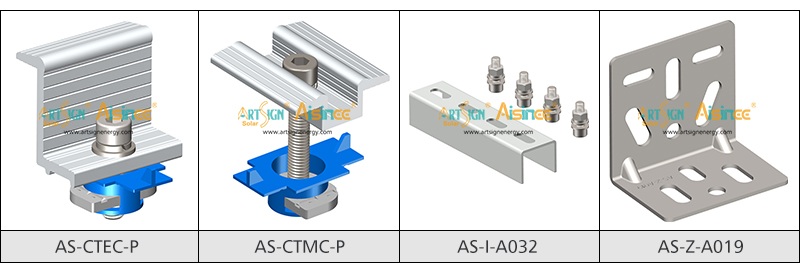
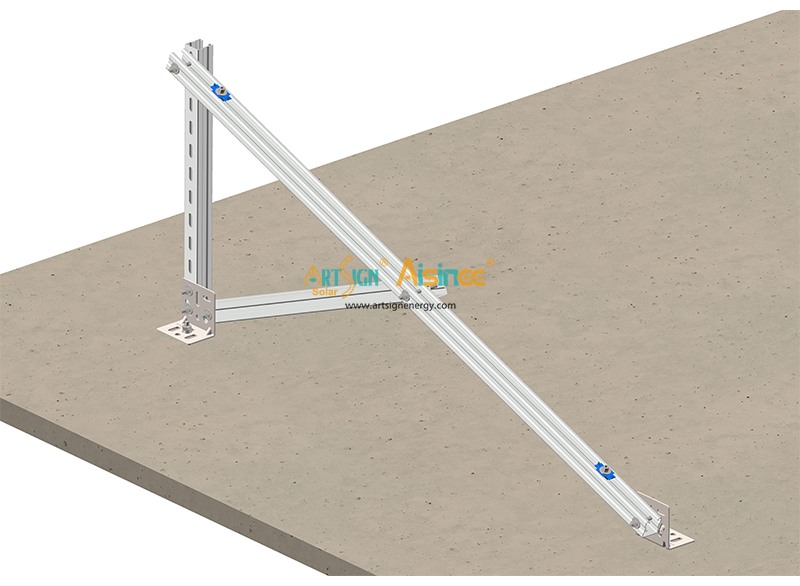
aluminum solar panel mounting systems

Solar energy comes from the radiant energy of the sun, which is the energy generated by the continuous nuclear fusion reaction process inside the sun. Since the birth of life on earth, it has mainly survived on the thermal radiation provided by the sun.

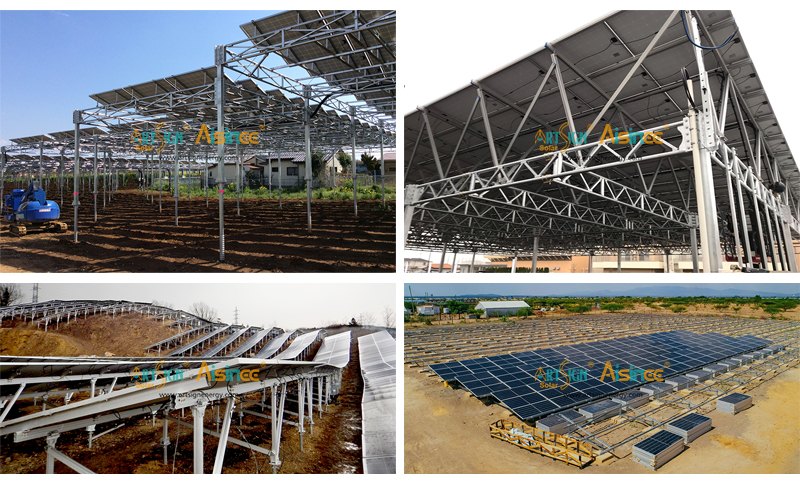
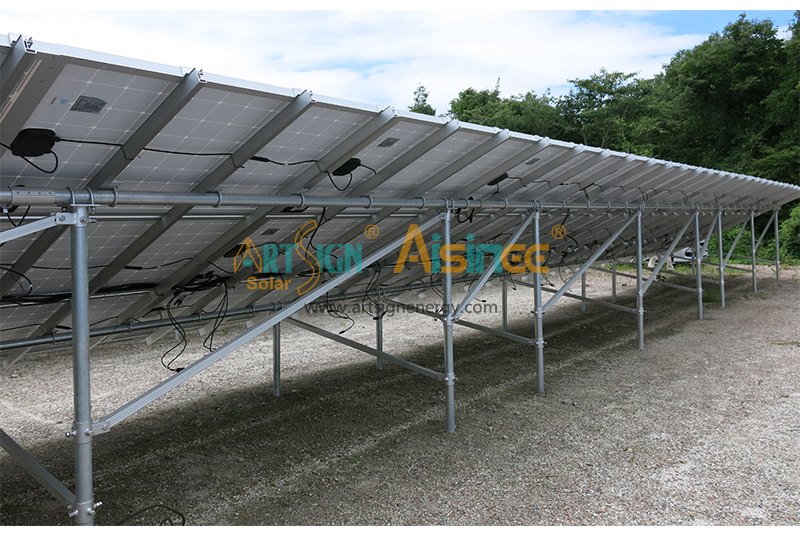
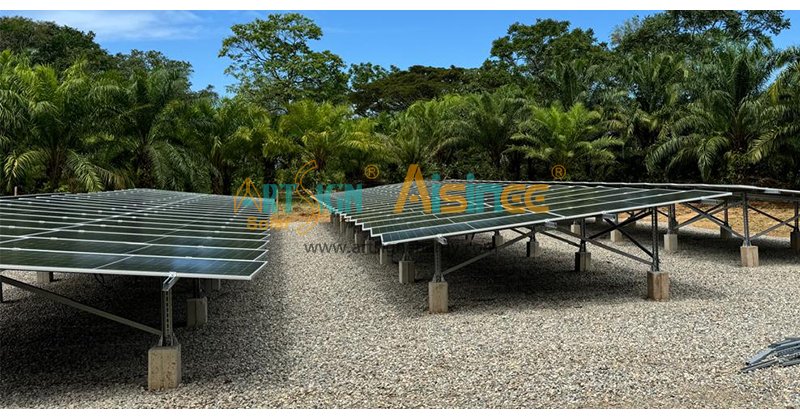
A common way of utilizing solar energy is to install photovoltaic (PV) solar energy systems to achieve photoelectric conversion. The electricity produced by photovoltaic systems can either be stored in batteries to supply household electricity, or it can be integrated into the grid for sale. Solar systems are generally divided into solar roof systems, solar ground systems and carport systems. The number of installed components determines the power generation.

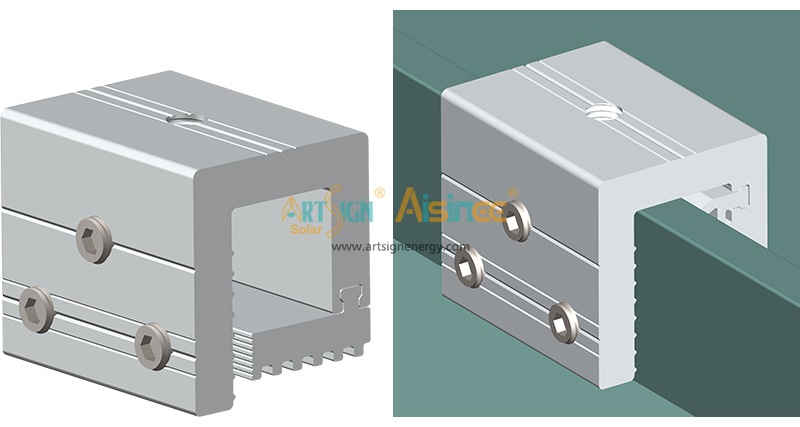
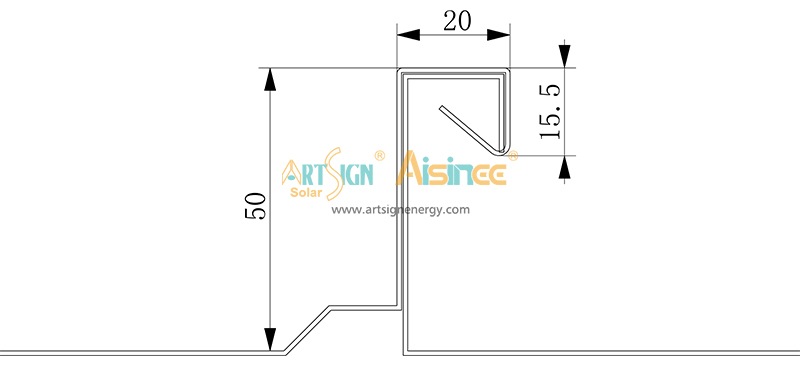
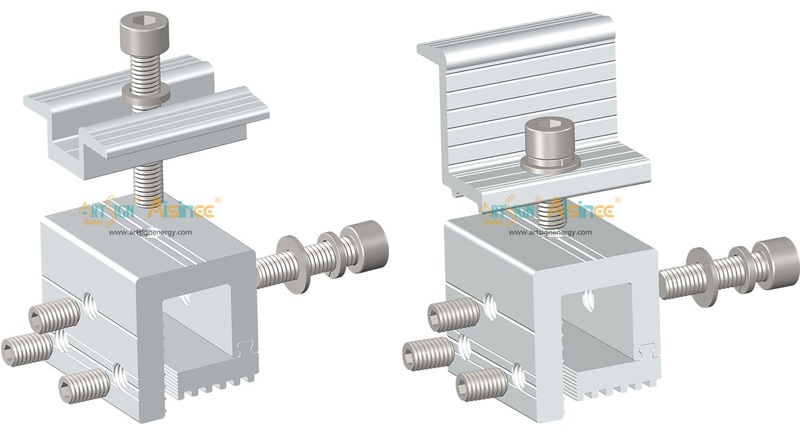
solar panel roof bracketshigh quality aluminum waterproof carport mounting systemchina aluminum waterproof carport mounting system

The service life of solar panels and aluminum alloy solar brackets is at least 25 to 30 years. During this period, you can use clean energy for free without worrying about rising energy.

Installing a solar roof system is a multi-pronged option for homeowners. With the upgrading and improvement of solar modules, their power generation efficiency is also constantly improving. Solar panels are seen as an upgrade, and homebuyers across countries are willing to pay a premium for homes with average-sized solar panels. Additionally, there is evidence that homes with solar panels sell faster than regular roofs.

As a specialized solar racks supplier, pandasolarpv supply ex-work price high-quality solar bracket, which apply to residential and commercial solar mounting. Pleasure to give you a free quotation and looking forward to long terms cooperation.


How DX Precision Cooling Is Changing Heat Dissipation in IT Spaces

As digital infrastructure expands rapidly, efficient thermal management has become critical to ensuring the stability and longevity of IT operations.
At Coolnet, we continue to lead in the development of precision cooling technologies that deliver intelligent, energy-efficient solutions for today’s
demanding data environments. Among them, DX (Direct Expansion) cooling systems remain a cornerstone for modern IT spaces.

Why
DX Cooling?
Unlike chilled water systems that rely on centralized infrastructure, DX systems work by using refrigerant to absorb and discharge heat through a
closed-loop process. The refrigerant evaporates in the indoor unit as it absorbs heat from IT equipment, then condenses in the outdoor unit to
release that heat, completing the cycle. This design makes DX systems compact, easier to deploy, and ideal for smaller or modular setups.
One of the key advantages of DX cooling is its flexibility. Since there's no need for chilled water pipes within the data hall, the risk of leaks near
sensitive servers is significantly reduced. This makes DX systems particularly well-suited for environments such as telecom shelters, edge
computing nodes, and network closets—spaces where space and risk must be tightly controlled.

Smarter, More Efficient Performance
Today’s DX systems have evolved beyond static performance. Variable-speed compressors, intelligent expansion valves, and adaptive fans now
allow these systems to respond dynamically to
real-time load conditions. Instead of operating at full power constantly, the system adjusts cooling
output based on actual demand—driving down energy use while maintaining consistent thermal performance.
Some units in Coolnet’s product line, such as those in the Cool-Smart series, bring this intelligent, compact approach to edge applications and
small server rooms. With flexible airflow configurations and remote monitoring capabilities, they support both efficient operation and easy scaling.
Meanwhile, for larger-scale or high-load environments, our CyberMaster series DX unit integrates high-performance components and advanced
control algorithms. These systems are designed to adapt seamlessly to fluctuating heat loads, maintaining stability in dynamic IT environments
while optimizing energy consumption.
In high-density applications like modular data centers or rack-intensive deployments, close-coupled cooling becomes essential. That’s where
Coolnet’s Cool-Row systems come in—delivering precision airflow directly between server racks to prevent hot and cold air mixing. This approach
enhances cooling effectiveness and supports redundancy strategies like N+1 for mission-critical uptime.
 DX cooling system
Supporting Sustainable Operations
One of the most promising developments in DX cooling is the introduction of free cooling modes. When outdoor temperatures are low, the system
can bypass the
compressor and circulate refrigerant using low-power pumps. This significantly reduces energy consumption and system wear,
particularly in cooler climates or during nighttime operation.
In optimized configurations and favorable climates, DX cooling systems with free
cooling modes can significantly reduce energy consumption, helping data centers move closer to lower PUE targets and sustainability goals.
Adding to this is the rise of centralized smart control platforms, which continuously monitor and adjust system behavior based on IT load, ambient
temperature, and humidity. These platforms ensure not just thermal stability, but also prevent overcooling—another major source of energy waste.

Conclusion
As IT environments continue to evolve, the demand for smarter, more responsive, and energy-efficient cooling solutions is becoming increasingly
urgent. DX precision cooling systems—equipped with variable-speed components, advanced control algorithms, and free cooling capabilities—present
a powerful option for meeting the thermal demands of modern digital infrastructure.
By delivering scalable performance, reducing operational risk, and supporting sustainability goals, these systems are helping IT leaders build more
resilient and cost-effective operations.
Interested in how DX cooling can optimize your data center or IT space?
Contact the Coolnet team for expert consultation and tailored solutions.


Comprehensive Guide to Solar Inverters

Unlocking the “Smart Brain” Behind Your Solar System


As renewable energy continues to grow rapidly, solar power is becoming a popular choice for homes and businesses alike. In a complete solar power system, while solar panels often take center stage, there's another crucial yet often overlooked component—the solar inverter.


More than just a converter, the inverter serves as the system’s command center, directly impacting the efficiency and user experience of your entire solar setup. To truly understand solar energy, you must first understand the solar inverter.


What Is a Solar Inverter?

When solar panels absorb sunlight, they generate direct current (DC) electricity through the photovoltaic effect. However, our household appliances and the grid use alternating current (AC). This is where the solar inverter comes in—it converts DC into AC, making the power usable for your home or business.


In simple terms: solar panels are your "power plant," and the inverter is your "power dispatcher."


Common Types of Solar Inverters

Different applications require different inverters. Here are the most common types on the market today:


1. String Inverter

Connects multiple solar panels in a series to a single inverter.


Best for: Simple rooftops with no shading


Pros: Cost-effective, easy to maintain


Cons: One panel's issue may reduce the efficiency of the entire string


2. Microinverter

Each panel has its own small inverter.


Best for: Shaded rooftops or multi-directional arrays


Pros: Independent operation per panel, higher efficiency, easier monitoring


Cons: Higher cost


3. Power Optimizer System

Similar to microinverters but used in combination with a centralized inverter.


Best for: Balancing cost and performance


Pros: Individual panel optimization for better overall performance


Cons: Slightly more expensive than string systems


4. Hybrid Inverter

Combines inverter and battery management functions.


Best for: Systems with energy storage


Pros: Supports both grid-tied and off-grid modes, versatile


Cons: More complex system, higher cost


Notably, today’s market offers many High-Efficiency Solar Hybrid Inverters that enhance energy conversion while supporting diverse power scenarios, offering greater flexibility for users.


How Does a Solar Inverter Work?

A typical inverter performs the following steps:


DC Input: Solar panels collect sunlight and produce DC electricity


Power Conversion: The inverter converts DC to AC electricity


System Management: Modern inverters offer real-time monitoring, grid coordination, and fault protection


Key Installation Considerations

The installation location of your solar inverter significantly affects its performance and lifespan. Here are a few critical tips:


Well-ventilated: Inverters generate heat during operation—avoid enclosed or hot spaces


Protect from sun and rain: Install in shaded areas or use weatherproof enclosures


Proximity to panels and distribution box: Reduces cable length and energy loss


Professional installation: Must be done by certified electricians to meet safety standards


For off-grid areas without access to public utilities, a reliable Off Grid Hybrid Solar Inverter can ensure complete energy independence—ideal for remote areas, islands, or emergency reserves.


Grid-Tied, Off-Grid, or Hybrid—Which System Fits You?

Grid-Tied: Sell excess power back to the grid for maximum returns


Off-Grid: Fully independent system with battery storage—suitable for remote or unstable grid areas


Hybrid: Combine storage and grid connection—sell excess, store backup


Tip: In areas with frequent power outages, a hybrid system offers the best reliability.


In high-load scenarios like industrial sites or business parks, using a Three Phase Energy Storage Inverter ensures stable three-phase output and efficient power management.


How to Choose the Right Solar Inverter

Don’t just go for the cheapest option. Consider these essential factors:


Capacity Match: The inverter’s power rating should align with your solar panel array


Conversion Efficiency: Choose models with ≥97% efficiency


Smart Features: Look for Wi-Fi monitoring, remote control, etc.


Brand and Warranty: Reliable brands offer 5–10 year warranties


Compliance: Meets local safety and grid connection standards (e.g., CE, TUV, UL)


A solar inverter doesn’t generate electricity, but it is the bridge that connects clean energy to your daily life. Choosing a high-performance, well-matched inverter not only boosts your system's output but also ensures safe operation for over a decade.


Whether you’re aiming to cut electricity bills, embrace a greener lifestyle, or ensure continuous power supply—the solar inverter is your indispensable partner in entering the solar era.


Let your inverter be the smart core of your solar system—using technology to empower a cleaner, brighter future.

Detailed Guide to Solar Energy Systems The Bright Future of Renewable Energy

What is Solar Energy?

Solar energy is one of the most abundant and promising renewable energy sources on Earth. As global awareness of environmental sustainability continues to rise, solar energy plays an increasingly vital role in the transition toward cleaner energy. It helps reduce reliance on traditional fossil fuels, lowers greenhouse gas emissions, and protects the ecological environment.


As former U.S. President Jimmy Carter once said:

"I would put my money on the sun and solar energy. What a source of power! I hope we don't have to wait until oil and coal run out before we tackle that."


Today, with continuous technological advancement, solar energy systems—ranging from photovoltaic cells to energy storage systems and intelligent energy management—have become more efficient, affordable, and practical. They are now transforming the global energy landscape on a large scale.


Why Is Solar Energy So Important?

Solar energy not only stands as a hallmark of clean energy but also drives innovation in energy systems. Modern Intelligent Energy Storage Systems can seamlessly integrate with solar setups to achieve smart energy management and distribution. These systems utilize data analytics, forecasting, and scheduling technologies to optimize energy usage, making them ideal for residential, commercial, and industrial applications.


Furthermore, the growth of solar technologies has brought new economic opportunities—creating jobs in component manufacturing, system integration, installation, maintenance, and R&D. In particular, advancements in Renewable Energy Storage Systems have enhanced the stability and flexibility of solar energy, laying a solid foundation for global energy transformation.


Types of Solar Energy


Photovoltaic (PV) Solar Energy

PV systems are the most common form of solar energy, converting sunlight directly into electricity using photovoltaic panels. These panels, typically made of silicon, generate direct current (DC) electricity when sunlight excites electrons within the material. An inverter then converts the DC into alternating current (AC) for use in homes, businesses, and beyond.


PV systems are widely used in residential rooftops, commercial buildings, and solar farms. Their popularity has also driven the development of All in One Inverter Energy Storage System Factories, which offer integrated solutions combining inverters and energy storage—simplifying installation and management for users.


Solar Thermal Energy

Solar thermal systems capture the sun’s heat to warm liquids or air, which can then be used for domestic hot water, space heating, or industrial processes. Common types include solar water heaters and solar thermal collectors. These systems contribute to energy savings and enhanced living quality, especially in low-temperature heating scenarios.


Concentrated Solar Power (CSP)

CSP systems use mirrors or lenses to concentrate sunlight to heat a working fluid (such as molten salt or thermal oil), which then produces steam to drive turbines and generate electricity. Thanks to their high efficiency and large-scale capabilities, CSP systems are typically deployed in sun-rich areas like deserts and are a strong option for utility-scale power generation.


Three Main Types of Solar Power Systems


Grid-Tied Solar Power Systems

These systems are connected to the national power grid, allowing users to feed excess electricity back to the grid and benefit from feed-in tariffs. They rely on grid infrastructure for stability, making them ideal for urban environments.


Off-Grid Solar Power Systems

Fully independent from the grid, these systems are suited for remote areas such as villages, islands, and mountainous regions. They usually incorporate Renewable Energy Storage Systems to ensure power availability during nights or cloudy days.


Hybrid Solar Power Systems

Combining the strengths of both grid-tied and off-grid setups, hybrid systems allow users to use solar energy during the day and draw electricity from the grid when storage is low. With the integration of Intelligent Energy Storage Systems, these setups can intelligently manage energy sources, improving system autonomy and adaptability.


Solar technology is advancing at an unprecedented pace. From basic PV generation to sophisticated energy storage integration and the development of smart energy networks, solar energy is reshaping the way we produce and use electricity. Whether for individual households or large-scale commercial and industrial applications, solar provides clean, efficient, and economical energy solutions.


At the same time, the rise of the All in One Inverter Energy Storage System Factory signifies a trend toward greater intelligence and modularity in the solar industry, offering users accessible, reliable, and comprehensive solar energy solutions.


In the future, solar energy will not only serve as a power generation method but also become a driving force in the era of intelligent energy.

Industrial Mobile Power Solutions for Modern Outdoor Needs

In various complex environments such as industrial sites, outdoor engineering, field exploration, and emergency rescue, "convenient, efficient, and reliable" mobile power solutions have become indispensable support systems. With the continuous rise of modern industrial operations’ demands for both efficiency and environmental protection, traditional fuel-powered generators are increasingly limited in terms of convenience, noise control, and carbon emissions. The new generation of industrial-grade portable power stations, centered on lithium batteries, is gradually replacing traditional solutions and becoming the industry's new favorite.


Functions and Advantages of Portable Industrial Power


Industrial mobile power units are rechargeable, multifunctional, and high-efficiency power devices featuring multiple output interfaces. They mainly use lithium iron phosphate or ternary lithium batteries, balancing safety and energy density. These units not only solve the pain point of "no power available" but also adapt to the diverse needs of modern outdoor and mobile office work.


For example, a 1200W Outdoor Power Station supports various output interfaces such as AC, DC, and USB, allowing it to simultaneously provide continuous and stable power for laptops, drones, portable projectors, small electric tools, and other equipment. This makes it ideal for outdoor engineering inspections, emergency repairs, temporary meetings, and other short- to medium-duration tasks.


2400W Outdoor Power Station and Higher Power Solutions for Complex Scenarios


As outdoor work durations lengthen and power demands increase, many users prefer 2400W Outdoor Power Station and above power ratings. These products can support simultaneous operation of high-power electric tools, portable air conditioners, induction cookers, outdoor light towers, refrigerators, and other equipment, fitting applications such as:


Driving large-scale tools in engineering construction


Temporary power supply systems for large exhibitions or outdoor markets


High-energy-consuming equipment in emergency command or mobile medical vehicles


Comprehensive living power supply for outdoor camping bases


Larger-capacity portable power stations typically come equipped with intelligent BMS (Battery Management System) that monitors temperature, voltage, current, and other statuses in real-time, effectively preventing overcharge, over-discharge, short circuits, and other faults to ensure safe operation.


Choosing Quality Suppliers to Enhance Project Stability


When selecting mobile power products, it is even more important to choose a reliable Rechargeable Industrial Portable Power Station Supplier. High-quality suppliers not only provide products with rigorous certifications (CE, FCC, ROHS, UN38.3, MSDS, etc.) but also offer:


Customization Services (OEM/ODM): Tailored capacity, voltage range, interface types, enclosure materials, and more according to project needs.


Technical Support and After-Sales Service: Professional engineers assist with product selection and application, providing prompt after-sales maintenance.


Bulk Supply Capability: Ensures delivery schedules and consistency for large-scale projects.


Widespread Application Scenarios


Today, portable industrial power is widely applied across multiple industries and scenarios, including but not limited to:


Construction sites: Temporary lighting and power for electric tools, especially in areas without grid electricity.


Outdoor media: Power supply for news reporting, aerial photography, and live broadcasting equipment.


Scientific research: Environmental monitoring in uninhabited areas, field expeditions, polar science stations.


Emergency rescue: On-site lighting, communication systems, and medical equipment during sudden incidents.


Transportation: Around-the-clock power support for mobile command and inspection vehicles.


Remote highland areas: Power for outdoor camps and short-term stays, reducing dependence on fuel supply chains.


Future Outlook and Trends


With advances in lithium battery technology and continuous reductions in energy storage costs, the adoption threshold for portable industrial power is rapidly decreasing. In the future, portable power stations featuring wireless charging, IoT remote management, and solar adaptive systems will become mainstream, helping users achieve more efficient, safer, and smarter energy usage.


They will not only replace “temporary power sources” but also become a stable and scalable integral part of modern industrial systems.


Powering Your Home with Sunshine How to Choose the Right Solar System

As the world actively transitions to renewable energy, solar power has become one of the most popular and accessible clean energy options. For more and more homeowners, solar energy not only reduces electricity bills but also lowers carbon footprints and provides greater energy independence. However, with so many system types, components, and financing options available, making the right decision can be overwhelming.


This comprehensive guide will help you understand the key factors to consider so you can choose the solar system that best matches your household’s energy needs and budget.


1. Understand Your Energy Consumption

Before installing a solar system, the first step is to clearly understand your household's electricity usage.


Review electricity bills from the past 12 months to analyze monthly and annual average usage (in kilowatt-hours, kWh).


Pay attention to seasonal fluctuations, especially in areas with extreme weather.


Include high-consumption appliances such as electric vehicles and water heaters in your assessment.


Knowing your usage habits is essential for accurately sizing your solar system and calculating your return on investment.


2. Evaluate Your Home’s Solar Potential

Not every home is equally suited for solar. Sun exposure and roof condition play critical roles:


Roof orientation and tilt: In the Northern Hemisphere, south-facing roofs with a tilt of 15°–40° offer optimal performance.


Obstructions: Trees, chimneys, or nearby buildings can create shading—use professional tools to assess this.


Roof structure: Consider the age, material, and load capacity. Ground-mount systems or solar carports may be better for some homes.


3. Choose the Right System Size

Based on your electricity usage and site conditions, a qualified installer will recommend a system size:


System size is measured in kilowatts (kW) and should ideally match your total annual usage.


If net metering is available in your region, excess electricity can be sold back to the grid—making larger systems more viable.


Keep in mind that larger systems come with higher upfront costs, so balance your budget with long-term ROI.


4. Use High-Quality Components

A solar system is a long-term investment. Durable, efficient components are essential:


Solar panels:


Monocrystalline panels are more efficient and aesthetically pleasing, great for small roof areas.


Polycrystalline panels offer better value for budget-conscious homeowners.


Pay attention to conversion efficiency, 25-year linear power warranties, and brand reputation.


Inverters:


Convert DC electricity from panels into AC electricity for household use.


Choose string inverters for shade-free roofs, or microinverters/power optimizers for complex layouts.


Check for efficiency (over 95%) and warranty coverage.


Mounting systems:


Use corrosion-resistant, structurally secure materials.


Ensure the system can withstand wind, snow loads, or other environmental challenges.


Roof compatibility is essential for safe installation.


5. Consider Adding a Solar Energy Storage System

With advances in battery technology, a Solar Energy Storage System is becoming an attractive option for greater energy independence:


Stores excess solar power during the day for use at night or during outages.


Especially useful in regions without net metering or for off-grid systems.


Look for battery features like cycle life, depth of discharge (DoD), safety certifications, and brand credibility.


Though it increases upfront cost, storage is a crucial component of modern Energy Storage System Solutions, offering backup power and energy autonomy.


6. Compare Offers Carefully

Don't settle for the first quote. Get multiple offers from reputable installers or Energy Storage System Manufacturers:


Compare system size, component brands, inverter types.


Assess installation timelines and after-sales support.


Review warranty terms for both products and workmanship.


Ask for simulated energy production reports and layout visualizations.


7. Learn About Financing and Incentives

While solar requires upfront investment, several financial tools and policy incentives make it more affordable:


Cash purchase: Maximizes long-term savings with no debt.


Solar loans or green financing: Spread payments over time with low interest.


Leasing/PPA: Zero upfront cost, but lower long-term returns and no system ownership.


Take advantage of tax credits, cash rebates, or renewable energy grants available at local or national levels to reduce your payback period.


8. Choose a Reliable Installer

A reputable installer ensures system performance and long-term support:


Verify licenses, insurance, and technical certifications.


Review past projects, customer reviews, and system design capabilities.


Ask about product and installation warranties.


Check if they partner with leading Energy Storage System Manufacturers to provide comprehensive Energy Storage System Solutions.


A good provider will also offer real-time monitoring tools to help you track system performance.


9. Plan for Maintenance and Monitoring

Solar systems require minimal daily attention, but basic upkeep can enhance lifespan and efficiency:


Regularly clean panel surfaces to prevent dust buildup.


Use remote monitoring to track power output.


Schedule annual professional inspections for wiring, voltage levels, battery condition, and structural stability.


These practices ensure your Solar Energy Storage System runs reliably for decades to come.


Choosing solar power isn’t just a financial decision—it’s a step toward sustainability, resilience, and energy independence. By understanding your energy needs, selecting the right system size and components, integrating battery storage, and working with qualified professionals, you can build a clean energy system that pays for itself and benefits the planet.


If you’re looking for expert Energy Storage System Solutions or trusted Energy Storage System Manufacturers, we’re here to support you with end-to-end services and high-quality solar systems tailored to your home.

The Evolution of Portable Energy Storage From Camping Gear to Emergency Power Core

As the global energy structure shifts and outdoor lifestyles become more popular, portable energy storage devices have evolved from simple camping accessories to critical tools in emergency response and disaster relief. This article explores the technological evolution and diverse applications of portable energy storage solutions.


1. The Beginning: From Traditional Power Sources to Portable Storage

In the early days, outdoor activities and field operations mainly relied on fuel generators or lead-acid batteries. While functional, they had major drawbacks:


Noisy and polluting

Bulky and inconvenient to transport

High operational cost and complex maintenance


In the 2000s, the rise of lithium battery technology—especially lithium iron phosphate (LiFePO₄)—brought breakthroughs in safety, miniaturization, and efficiency for portable storage devices.


2. A Turning Point: Lithium Battery Technology Redefines Portability

Modern portable power stations now widely use high-performance lithium batteries with higher energy density, longer lifespan, and lighter weight. For example, LiFePO₄ batteries can offer up to 3,500–5,000 charge cycles, far beyond traditional options.


These batteries are now commonly used in:

Home backup power systems

Outdoor mobile power stations

Emergency energy backup in disaster scenarios


The rising popularity of search terms like “portable power stations” and “lithium iron phosphate battery for solar” indicates growing market demand.


3. Smart Inverters and Multi-Device Compatibility

Another major leap is the integration of inverters and smart management systems. Today’s portable power stations support a wide range of outputs:


AC 110V/220V pure sine wave

USB-A/USB-C fast charging

Multiple DC ports

Wireless charging and car output


Hybrid inverters allow AC/DC conversion, solar integration, and smart energy management, enabling users to power smartphones, laptops, drones, projectors—even medical equipment. They’ve become true “outdoor power hubs.”


4. Solar Integration: The New Standard

The combination of portable storage and solar panels has become standard in camping, remote work, scientific exploration, and more. Lightweight, foldable panels (e.g., solar panel for portable power station) can charge on the go, offering a green and silent power source.


In areas without access to the grid, this combination forms a reliable, self-sustaining energy system—similar to a 6kW Off-grid Energy Storage System, often used in off-grid zones or emergency power backup setups.


5. Expanding Use Cases: From Leisure to Emergency Response

Portable energy storage is no longer just for outdoor use:


Outdoor Leisure & Mobile Office

Ideal for RV trips, camping festivals, live streaming, drone photography, and more. Paired with a modular setup from a Stackable Lithium-ion Energy Storage Battery Manufacturer, continuous multi-device operation becomes effortless.


Home Backup & Weather Emergencies

Reliable backup during blackouts caused by thunderstorms or typhoons—keeping routers, fridges, kettles, and more running.


Disaster Relief & Public Welfare

Vital in post-disaster zones for lighting, communication, and field medical operations. Many NGOs and emergency responders now deploy units like the All in One Battery Energy Storage System 10kW as standard supplies.


6. The Future: Smarter, Greener, More Modular

Portable storage devices are evolving rapidly in several key directions:


Smarter

App remote control, Bluetooth connection, and real-time monitoring give users full visibility over battery status, output power, and system health.


Greener

They can be integrated with home solar systems, forming a closed loop from generation to consumption.


Modular

With swappable battery packs and parallel device support, users can scale up or maintain easily. Some systems now work seamlessly with energy storage batteries for solar panels, unlocking higher capacity storage options.


7. A New Way to Power Our Lives

From a simple camping tool to a crucial power hub in emergencies, portable storage is reshaping how we consume and manage electricity. It enhances comfort in outdoor life and provides a vital safety net in cities and rural areas alike.


As a global specialist in energy storage solutions, ENECELL continues to innovate, offering safer, smarter, and more efficient portable energy products that deliver dependable power whenever and wherever it’s needed.

The Self-Loading and Unloading Emergency Drainage Pump

 
When disaster strikes, time is of the essence. Whether it’s a flood, pipe burst, or waterlogging emergency, rapid deployment and efficient water removal can make all the difference. That’s where the Self-Loading and Unloading Emergency Drainage Pump comes.
 
 
What Makes It Different?
Traditional emergency water pumps often require separate loading equipment and multiple personnel for transport and deployment. Our self-loading and unloading pump eliminates these challenge:
 
✅ Rapid Deployment: Builtin hydraulic or mechanical systems allow the pump to load and unload itself in minutes,don't need cranes or forklifts.
✅ Mobility: Designed for transport on trucks or trailers, it’s always ready to go where it’s needed most.
✅ Plug-and-Play Operation: Arrive, unload, start ,Rapid Deployment, it’s that simple.
✅ Durability and Reliability: Engineered to perform in the harshest conditions with minimal maintenance.
 
 
Application:
 
Urban flood emergencies
 
Drainage of construction sites
 
Agricultural water management
 
Industrial spill response
 
Efficiency Under Pressure
 
Time is a critical factor in water management emergencies. This pump not only saves time on deployment but also operates with high flow rates and energy efficient performance, making it an invaluable tool for emergency services, municipalities, and industrial operators.
 
Conclusion
With the self-loading and unloading emergency drainage pump, you're not just getting a machine — you're gaining peace of mind. Ready when you are, it empowers teams to act fast, stay safe, and protect what matters most.