The Future of Solar Energy The Key Role of Hybrid Inverters in Sustainable Energy Solutions

Solar energy, as a clean and renewable energy source, has gained widespread attention and application globally in recent years. With increasing awareness of environmental protection and climate change issues, governments and businesses are actively seeking alternative energy solutions to replace fossil fuels. Solar energy, due to its inexhaustible and renewable nature, has become the top choice.


In solar power systems, hybrid inverters play a crucial role. Not only do they convert solar energy into usable electricity, but they also store excess energy through energy storage systems to cope with grid fluctuations or peak electricity demand periods. This capability makes hybrid inverters indispensable in enhancing the stability of energy supply.


The Role of Hybrid Inverters

A hybrid inverter is a device that combines solar power generation and energy storage systems. It not only converts solar energy into usable electricity but also stores excess energy for later use. This technology greatly improves energy self-sufficiency and reduces reliance on the traditional power grid.


How Hybrid Inverters Work

The core function of hybrid inverters is to coordinate the energy flow between solar panels, energy storage systems, and the power grid. It monitors solar power generation, battery levels, and grid demand in real-time and intelligently allocates energy according to the situation. When solar power generation exceeds current demand, excess energy is stored in the battery. When generation is insufficient, stored energy is released to meet the load demand. This dynamic management not only improves energy efficiency but also ensures stable power supply.


Advantages of Hybrid Inverters

Increased Energy Self-Sufficiency: By storing excess energy, hybrid inverters significantly improve energy self-sufficiency and reduce dependence on external power grids.

Enhanced Power Supply Reliability: Even during insufficient sunlight or power outages, stored energy ensures that the power supply is unaffected.

Reduced Carbon Emissions: Using more solar energy reduces reliance on fossil fuel-based power generation, lowering carbon dioxide emissions and contributing to environmental protection.


10KW Single-Phase Low Voltage Hybrid Solar Inverter

For residential users, the 10KW single-phase low voltage hybrid solar inverter is an ideal choice. With its compact design and high performance, it effectively converts solar energy into the electricity needed for household appliances. Its low-voltage compatibility ensures stable operation under various grid conditions.


Applications of the 10KW Inverter

Residential Homes: Suitable for homes with sufficient roof space for solar panel installation, providing stable power supply.

Small Commercial Facilities: Ideal for retail stores, clinics, and other locations with moderate power demands.

Off-Grid Areas: In areas with insufficient grid coverage, the 10KW inverter combined with energy storage can provide reliable power for local residents.


Advantages of the 10KW Inverter

Efficient Conversion: Advanced conversion technology ensures maximum solar power generation efficiency.

Easy Installation: Compact design makes installation and maintenance easy.

Strong Compatibility: Suitable for various types of solar panels and energy storage systems.


The Advantages of Intelligent Hybrid Inverter

With advancements in technology, smart hybrid inverters have emerged. These devices are equipped with advanced real-time monitoring and adaptive control algorithms, automatically adjusting energy output based on actual power demands and sunlight conditions, further improving energy utilization efficiency. This smart management not only enhances the stability of energy supply but also reduces waste.


Technical Details of Smart Inverters

Smart Monitoring: Integrates sensors and data collection systems to monitor solar power generation, battery levels, and grid load in real time.

Adaptive Control: Based on collected data, smart algorithms dynamically adjust energy distribution strategies to optimize energy usage efficiency.

Remote Management: Users can remotely monitor and manage the inverter’s operation through mobile or computer applications, performing fault diagnosis and system upgrades.


Impact of Smart Inverters on Energy Management

Reduced Waste: By smartly adjusting energy flow, the maximum amount of solar power is utilized, reducing losses in stored energy.

Improved Response Speed: During grid fluctuations or load changes, the inverter can quickly adjust output power to ensure stable power supply.

Extended Equipment Lifespan: Optimized energy management and protection functions help extend the lifespan of inverters and other energy storage devices.


The Importance of Energy Storage Systems

The Role of Energy Storage Technology

Energy storage systems play a vital role in solar power generation systems. They not only store excess energy for later use but also help balance the load on the power grid, improving the stability of the electricity system.


Common Battery Technologies

Lead-Acid Batteries: A traditional and mature technology with high reliability and long life, but large in size and requiring more maintenance.

Lithium-Ion Batteries: Known for their high energy density, small size, and light weight, they are one of the most widely used storage technologies today.

Sodium-Sulfur Batteries: Featuring high energy density and high-temperature operation characteristics, suitable for large-scale energy storage applications.


Applications of Energy Storage Systems

Renewable Energy Integration: Helps the grid better absorb and distribute the fluctuating output from solar and other renewable energy sources.

Power Backup: Provides temporary power during power outages or emergencies.

Peak Load Management: By storing energy, it releases stored power during peak demand periods, reducing the need for traditional power plants.


Global Market Trends

Growing Demand for Renewable Energy

As global climate change issues intensify and fossil fuel resources deplete, governments and businesses are increasingly focusing on the development of renewable energy. Solar energy, as one of the most mature clean energy sources, is rapidly expanding, driving growth in the hybrid inverter market.


Hybrid Inverters in the Market

Technological Innovation: Manufacturers continue to launch inverters with higher efficiency, greater intelligence, and longer lifespans.

Cost Reduction: Technological advancements and mass production have led to a decrease in inverter prices, improving their market competitiveness.

Policy Support: Governments worldwide encourage the adoption of renewable energy systems through subsidies, tax incentives, and other measures.


Future Development Trends

Intelligent and Connected Systems: Future inverters will be smarter and able to seamlessly connect with other devices and the grid, forming an integrated energy management system.

Breakthroughs in Energy Storage Technology: New battery technologies and energy storage solutions will further improve the efficiency and performance of storage systems and reduce costs.

Global Cooperation and Standardization: International technology exchanges and cooperation will accelerate the development of renewable energy technologies and promote the unification of industry standards.


Enecell, Hybrid Solar Inverter Supplier, provides single-phase energy storage inverters from 6KW to 60KW and three-phase hybrid inverters. With a strong commitment to innovation and reliability, Enecell offers a comprehensive range of solar inverters designed to meet the diverse needs of residential, commercial, and industrial applications.

The New Trend in Home Energy Storage Why Stackable Lithium-ion Batteries Are the Best Choice

As the world transitions to a new energy structure, the home energy storage market is growing rapidly. With the increasing adoption of solar photovoltaic (PV) systems and the rising cost pressures from fluctuating electricity prices, more households are turning to energy storage batteries to enhance energy independence, optimize electricity costs, and ensure critical devices continue running during power outages. Among various energy storage solutions, stackable lithium-ion batteries stand out as the best choice due to their high energy density, modular design, and easy installation.


The Market Trend of Solar Energy + Energy Storage

In recent years, the global installed capacity of solar power has been steadily increasing. Home solar PV systems have become a key driver of renewable energy adoption in many countries. However, solar power generation is highly dependent on weather conditions and the day-night cycle, making it unreliable for 24/7 energy supply. This is where energy storage batteries play a crucial role—they store excess solar power during the day and release it at night or during peak demand hours. This improves energy utilization while reducing dependence on the power grid.


In this trend, the 48V Stackable Lithium-ion Energy Storage Battery has become an ideal choice for many homeowners. This battery seamlessly integrates with solar PV systems, allowing users to maximize the use of green energy, lower electricity costs, and improve power supply stability.


Advantages and Applications of Stackable Lithium-ion Batteries

Compared to traditional energy storage solutions, stackable lithium-ion batteries offer unique advantages, making them widely applicable in residential, commercial, and industrial settings.


1. High Energy Density for Enhanced Household Efficiency

Compared to lead-acid batteries, stackable lithium-ion batteries have a much higher energy density. For example, the 51.2V Stackable LiFePO4 Battery uses lithium iron phosphate (LiFePO4) cells, providing a longer cycle life and more stable discharge performance, ensuring reliable power when needed.


2. Flexible Modular Design for Easy Expansion

Household electricity needs may change over time due to new appliances, expanded solar systems, etc. Stackable lithium-ion batteries feature a modular design, allowing users to add or remove battery modules as needed without replacing the entire system. This flexibility makes home energy storage systems more adaptable and reduces initial investment costs.


3. Strong Compatibility for Seamless Inverter Integration

Modern home energy storage systems typically require inverters to ensure stable power output. Products from leading Stackable Lithium-ion Energy Storage Battery Manufacturers support multiple inverter protocols and are compatible with most mainstream inverter brands. This means users can easily upgrade their energy storage system without replacing their entire energy management setup.


4. High Safety and Reliability

Stackable lithium-ion batteries feature advanced Battery Management Systems (BMS) that prevent overcharging, over-discharging, and short circuits. Additionally, lithium iron phosphate (LiFePO4) batteries offer excellent thermal stability, reducing the risk of thermal runaway and ensuring safe operation.


5. Suitable for Various Applications

Home energy storage: Works with solar PV systems to reduce electricity bills and improve energy independence.

Commercial energy storage: Peak shaving and load shifting to optimize energy costs.

Industrial backup power: Provides stable power supply to prevent disruptions.


How to Choose the Right Stackable Lithium-ion Energy Storage Battery

1. Battery capacity: Choose the right capacity based on your household’s daily power consumption.

2. Battery voltage: Options like 48V Stackable Lithium-ion Energy Storage Battery and 51.2V Stackable LiFePO4 Battery suit different inverter systems.

3. Compatibility: Ensure the battery is compatible with your existing inverter to avoid extra costs.

4. Expandability: Opt for a modular stackable battery for easy future expansion.


Technological Developments and Future Trends in Stackable Energy Storage

Solid-state battery technology: Future energy storage solutions may use solid-state electrolytes for improved safety and energy density.

Smart BMS systems: AI-integrated battery management systems will optimize charging and discharging strategies to extend battery life.

Broader applications: Stackable storage solutions will expand from residential use to grid-scale energy storage, increasing renewable energy penetration.


How Stackable Energy Storage Batteries Help Industrial and Commercial Users Optimize Energy Management

Lower electricity costs: Store energy during low-rate periods and use it during peak hours.

Improve energy utilization: Combine with solar systems for self-consumption, reducing reliance on the grid.

Enhance power stability: Act as a backup power source to ensure critical equipment remains operational during outages.


How to Extend the Lifespan of Stackable Lithium-ion Batteries

Avoid overcharging and over-discharging: Keep discharge depth within 80% for longer lifespan.

Maintain proper temperature: Avoid extreme heat or cold conditions.

Regularly check BMS status: Ensure the battery management system is functioning properly to prevent imbalances.

Use smart charging strategies: Optimize charging and discharging cycles with intelligent inverters.


As the home energy storage market continues to evolve, stackable lithium-ion batteries are emerging as the ideal solution for both residential and commercial users. Their high energy density, modular design, long lifespan, and easy installation make them a preferred choice for reducing electricity costs, increasing energy independence, and ensuring backup power security.


Enecell is a leading energy storage battery manufacturer and lithium battery supplier in China, specializing in providing reliable and efficient energy storage solutions for residential and commercial users. Enecell’s storage battery products feature long lifespan and high safety standards, offering robust support for renewable energy systems and backup power applications. By optimizing energy usage efficiency, Enecell helps users achieve their sustainability goals.


The Ultimate Guide to Choosing Portable Power Stations What You Need to Know

In an era where reliable power is essential for both everyday life and emergency situations, portable power stations have emerged as a versatile and indispensable solution. Whether you're camping in the wilderness, working on a remote construction site, or preparing for a power outage, these compact devices provide a convenient and eco-friendly way to keep your devices and appliances running. However, with so many options available, selecting the right portable power station can be challenging. 


What is a Portable Power Station?

A portable power station is a compact, battery-powered device designed to provide electricity for a wide range of devices and appliances. Unlike traditional gas-powered generators, portable power stations are quieter, more environmentally friendly, and easier to use. They come in various sizes and capacities, from small units that can charge your phone to larger models like the 1200W outdoor power station or the 2400W outdoor power station, which can power tools, appliances, and even medical equipment.


These devices are equipped with multiple output options, including AC, DC, and USB ports, making them highly versatile. Many also support solar charging, allowing you to harness renewable energy for off-grid adventures or sustainable power use. 


Advantages of Using a Portable Power Station

1. Portability and Convenience

Portable power stations are lightweight and compact, making them easy to carry and transport. Whether you're camping, working on a remote job site, or dealing with a power outage, these devices provide a convenient power source wherever you go.


2. Quiet Operation

Unlike traditional gas generators, portable power stations operate silently. This makes them ideal for use in quiet environments like campsites, residential areas, or during nighttime emergencies.


3. Eco-Friendly

Many portable power stations, especially those with solar charging capabilities, rely on clean energy sources. This reduces your carbon footprint and supports sustainable energy practices.


4. Versatility

With multiple output options (AC, DC, USB), portable power stations can power a wide range of devices, from smartphones and laptops to refrigerators and power tools. For example, the 1200W outdoor power station is perfect for light to moderate use, while the 2400W outdoor power station can handle heavier loads and more demanding tasks.


5. Emergency Preparedness

Portable power stations are a lifesaver during emergencies. They can keep essential devices like medical equipment, communication tools, and lights running during power outages or natural disasters.


6. Low Maintenance

Unlike gas generators, portable power stations require minimal maintenance. There’s no need for fuel, oil changes, or complex upkeep, making them a hassle-free power solution.


Disadvantages of Using a Portable Power Station

1. Limited Power Capacity

While portable power stations are versatile, they have limited energy storage compared to traditional generators. High-power devices or prolonged use may drain the battery quickly, especially in smaller models.


2. Recharging Time

Depending on the model and charging method, recharging a portable power station can take several hours. Solar charging, while eco-friendly, may be slower, particularly in low sunlight conditions.


3. Initial Cost

High-quality portable power stations, especially those with larger capacities like the 2400W outdoor power station, can be expensive upfront. However, their long-term benefits often justify the investment.


4. Weight and Size

While designed for portability, larger models can still be heavy and bulky. This might make them less convenient for activities like hiking or backpacking.


5. Limited Lifespan

The battery life of portable power stations is finite, and over time, the capacity may degrade. However, proper care and maintenance can extend their lifespan.


Key Considerations When Choosing a Portable Power Station

1. Power Output: Match Your Needs

Determine the wattage required for your devices. For example, a 1200W outdoor power station is ideal for moderate use, such as charging laptops, powering small appliances, or running light tools. On the other hand, a 2400W outdoor power station is better suited for heavy-duty tasks, like running larger appliances or multiple devices simultaneously.


2. Battery Capacity

Battery capacity, measured in watt-hours (Wh), determines how long your power station can run before needing a recharge. Assess how long you'll need the power station to operate and choose a capacity that fits your usage patterns. Higher capacity means longer runtime but may also mean a larger and heavier unit.


3. Charging Options

Look for versatile charging methods, including solar, AC, and car charging, to ensure you can recharge the station in various situations. Solar charging is particularly useful for off-grid adventures, while car charging is handy for emergencies.


4. Durability

Since portable power stations are often used in rugged environments, durability is a must. Ensure the unit is built with high-quality materials that can withstand harsh conditions. Water resistance and shockproof features are also beneficial for outdoor use.


5. Portability

Consider the size and weight of the unit, especially if you'll be hiking or traveling frequently. Many portable power stations are designed with handles and compact forms to enhance mobility.


6. Brand Reputation

Opt for a trusted Portable Power Stations Manufacturer like Enecell, known for producing reliable and high-performance power stations. A reputable brand ensures you get a product that's both efficient and durable.


7. Additional Features

Some power stations come with extra features like LCD screens for easy monitoring, multiple ports for simultaneous charging, and even wireless charging pads. These extras can make a significant difference in usability.


Applications of Portable Power Stations

Portable power stations are incredibly versatile and can be used in a variety of scenarios, including:

Outdoor Adventures: Power camping gear, lights, and small appliances.

Construction Sites: Run tools and equipment in remote locations.

Emergency Situations: Keep essential devices running during power outages.

Events and Festivals: Provide power for sound systems, lighting, and food trucks.

Sustainable Living: Use solar charging to reduce reliance on grid power.


As a trusted Portable Power Stations Manufacturer, Enecell is committed to delivering high-quality, reliable power solutions tailored to your needs. Explore our range of products to find the perfect portable power station for your next adventure or emergency preparedness plan.


How to Design a Garden with Solar Lighting

A well-designed garden should not only be beautiful during the day but also inviting and functional at night. Solar lighting is an excellent way to illuminate your outdoor space while being energy-efficient and environmentally friendly. By strategically placing solar lights, you can enhance the aesthetic appeal of your garden, improve safety, and create a warm ambiance for evening gatherings.


The first step in designing your landscape lighting is to determine which important locations require lighting. Solar lights can be used for flower beds, water features, pathways, and seating spaces. Solar LED lawn stake lights for walkways offer a safe and well-lit walking path. Solar colorful string lights can give patios or gazebos a warm, festive feel, while garden solar spot  lights can draw attention to garden features like statues or ornamental plants.


solar LED lawn stake lights 

The placement of solar lights should take into account their exposure to sunlight. Since solar panels need sufficient daylight to charge, position the lights in areas where they can receive at least six hours of direct sunlight. Avoid placing them under dense foliage or in shaded corners. Choosing lights with adjustable panels or separate solar panels can help optimize their efficiency even in less sunny spots.


To achieve the appropriate ambiance, take into account the lights’ color temperature and brightness as well. For seating areas and gardens with a tranquil atmosphere, warm white lights produce a gentle, welcoming glow. Cool white or bright LED lights are good for driveway illumination and security. Another practical way to increase safety without wasting energy is with motion sensor lights.


SLD, Solar Lights Do, specializes in manufacturing and selling high-quality solar lights. We offer a wide range of efficient and durable solar lighting solutions designed for outdoor use. Whether you're looking to enhance your garden’s aesthetics or improve nighttime visibility, our products provide reliable and sustainable lighting. If you're interested, please visit us at www.solarlightsdo.com.

Common faults and solutions for street lamp maintenance

Common faults and solutions for street lamp maintenance in 2025

1. The circuit and power supply are faulty ‌

‌ The contactor is damaged or the line is aged solar street lamp ‌


Damage ‌phenomenon ‌: street light is not bright, regional power failure (such as the case of Nanjing West Road due to knife contactor damage led to the failure of the south street light).

Maintenance method ‌‌:Check switches, controllers and line connections, repair loose or corroded joints;

Replace damaged contactor or transformer fittings.


 solar street lamp

‌Short circuit or trip ‌damage ‌ : frequent circuit tripping (" the first road repair lamp failure, tripping "problem).
Maintenance method ‌‌ :Check  solar street lamp the cable insulation layer damage, rainwater infiltration and other short circuit points, re-bandage or replace the line;

Install a leakage protector to prevent safety hazards ‌.


2. The lamp and light source are faulty ‌
‌ bulb burned out ‌


 solar street lamp


Damage ‌ : single lamp or local light is not bright (common in traditional sodium lamp, LED lamp) ‌.
Maintenance method ‌‌ :Replace bulbs with the same specifications to avoid secondary damage caused by power mismatch ‌;
Check whether the driver power supply is normal (for example, the LED module voltage is abnormal) ‌.
‌Abnormal brightness of the light source ‌

Damage ‌ :  solar street lamp flashing or insufficient brightness (mostly due to controller failure or voltage instability) ‌.
Maintenance method ‌‌ :Test the output parameters of the controller and replace the faulty controller ‌;
Calibrate the optical sensor to avoid false triggering caused by ambient light interference ‌.


3. New energy street lamp unique fault ‌
‌ solar street lamp is faulty ‌ damaged

solar street lamp Battery aging ‌ : reduced storage led to insufficient night battery life ‌;
Replace the battery of the same model and ensure that the voltage matches ‌.
Photovoltaic panel damage ‌ : surface dirt, cracks or Angle offset affect the charging efficiency ‌;
Periodically clean the panel, adjust the installation Angle, and replace the damaged panel ‌.
Wind street lamp malfunction ‌


 solar street lamp


Solar street lamp mechanical failure ‌ : fan blade stuck or bearing damage resulting in not turning ‌;
Lubricate mechanical parts and replace damaged bearings or gears ‌.
Environmental factors ‌ : lack of wind or extreme weather affecting operations ‌;
Optimize site selection or install auxiliary energy sources (such as wind-solar complementary systems) ‌.

4. Structural and ancillary facilities ‌
Lamp pole and shade damaged ‌

Phenomenon damage ‌ : rust, dumping or external impact deformation ‌;
Maintenance method ‌‌:Strengthen the base and replace the anti-corrosion materials (such as hot-dip galvanized steel rods) ‌;
Repair damaged lamp shade, ensure waterproof tightness ‌.
‌Intelligent system failure ‌

‌Damage:  solar street lamp remote control failure, data return abnormal (such as intelligent street lamp networking failure) ‌;
Maintenance method ‌ : solar street lamp Check the compatibility between communication module and network protocol, and update firmware ‌;

Repair sensor cables or replace faulty components ‌.


12V Lead-Acid Batteries in Stairlifts | Kaiying Power

With the aging population and increasing demand for accessibility, stairlifts are becoming more common in homes and public buildings. As one of the key components of stair lifts, the performance and maintenance of stairlift lead-acid batteries directly affect the reliability and lifespan of the equipment.


1. Battery Power Needs and Operation in Stairlifts

Modern stairlifts are powered by lead-acid batteries, usually installed in the cabin (where the motor is located), which help move the lift up and down the stairs. The batteries are charged by connecting to charging points, and the charger provides low-voltage trickle charging from the main power supply to keep the batteries charged.


2. Battery Lifespan and Maintenance

The lifespan of lead-acid batteries typically ranges from 3 to 5 years, depending on usage and maintenance. It is recommended to perform an annual maintenance check to ensure the lift and batteries are working properly. Proper maintenance can extend battery life, so regular cleaning and checking of charging points and batteries is essential.


3. Common Problems and Solutions

If the battery isn’t charging, the issue may be caused by the following:


Power Supply Issue: Check if the main power outlet is on and ensure the power supply is working.


Charging Contact Issue: Make sure the stair lift is parked at the charging point. Check if the charging strip is clean and undamaged.
 

Charger or Circuit Issues: Verify that the charger and circuit are functioning properly. If needed, contact a professional for repairs.


Using the Lift During a Power Outage: If there is a power outage, the lift can still be used until the power is restored. However, to prolong battery life, limit the number of uses. A fully discharged battery won’t recharge and needs replacement. Uncharged batteries typically allow for about 8 trips up and down the stairs, depending on the model.


4. Battery Selection and Maintenance Tips

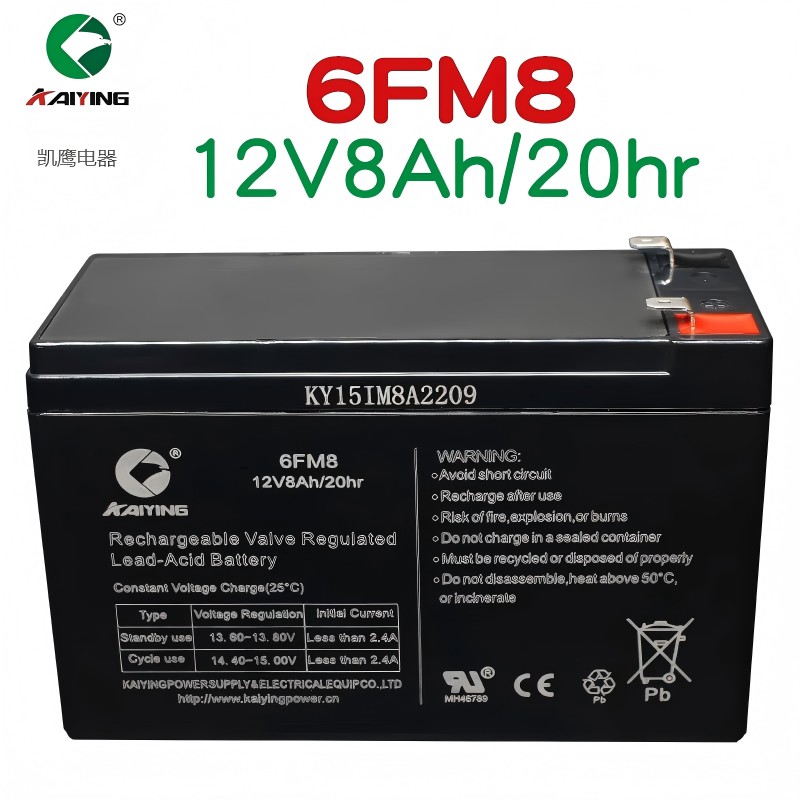
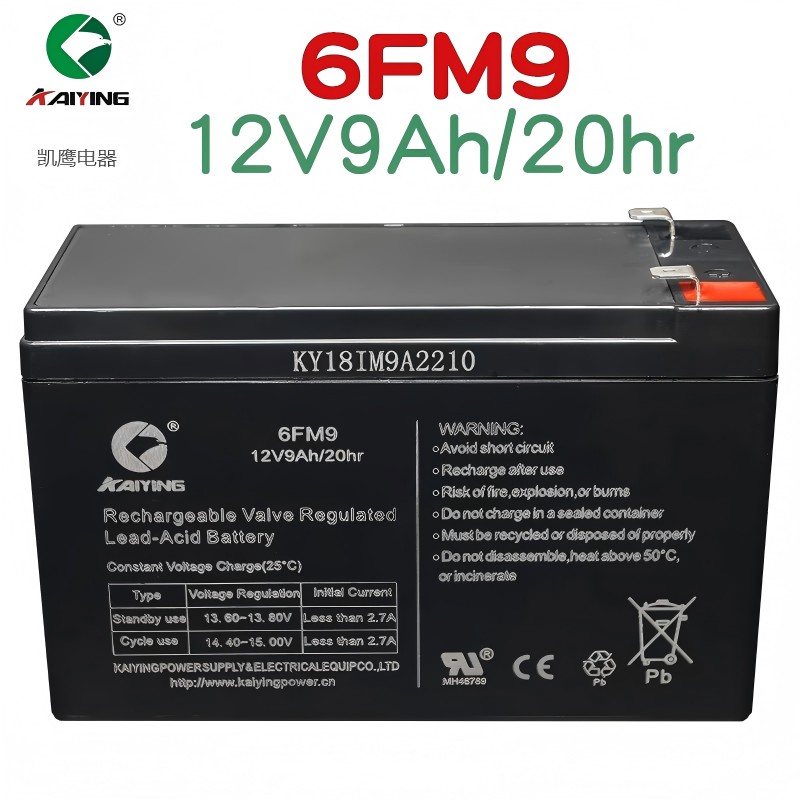
Stairlifts typically use battery 12V8Ah, 12V5Ah, 12V9Ah, 12V10Ah, or 12V12Ah lead-acid batteries. These batteries are safe, durable, and environmentally friendly. To prolong battery life, it’s recommended to have professional maintenance checks annually and regularly clean the charging strip to ensure good contact.


  • #
  • 12V8Ah Stairlift Battery
     
  • 12V9Ah Stairlift Battery


Kaiying Power specializes in producing high-quality lead-acid batteries, which are widely used in stairlifts and other accessibility devices. Our batteries are trusted for their excellent stability and performance. We are committed to providing safe, durable, and eco-friendly battery solutions to ensure the long-term, stable operation of your equipment.

A Comprehensive Analysis of Lead-Acid Battery Plate Manufacturing From Lead Ingots to Green Plates

Sealed Battery Kaiying


Lead-acid batteries, as one of the most mature electrochemical energy storage technologies, rely heavily on the quality of their battery plates. The manufacturing of battery plates integrates precision processes from metallurgy, chemistry, and materials science. This article delves into the full production process of green plates (unformed plates), from raw materials to final shaping, revealing the modern industrial wisdom behind this traditional technology.


I. Raw Material Preparation: Metallurgical Purification of High-Purity Lead


1. Lead Ingot Melting

We utilize electrolytic lead ingots with a purity of ≥99.99%, which are melted into liquid lead in a lead melting furnace at 450-500°C. To enhance mechanical strength, alloying elements are added in proportion:

Positive Plates: 0.3%-1.2% antimony (Sb) is added to enhance corrosion resistance;

Negative Plates: Lead-calcium alloy (0.08%-0.12% Ca) is used to reduce the risk of hydrogen evolution.


2. Lead Powder Preparation (Lead Oxide Generation)

Molten lead is atomized into micrometer-sized lead particles through a lead powder machine (using the Barton method or ball milling method). These particles react with air in an oxidation chamber to form porous lead oxide (PbO):

2Pb + O₂ → 2PbO

The lead powder has a particle size controlled at 2-5μm and a specific surface area of 0.8-1.5 m²/g, ensuring high reactivity for subsequent reactions.


II. Paste Preparation: The Core Carrier of Electrochemical Active Substances


1. Formula Mixing

Lead oxide powder, deionized water, sulfuric acid (density 1.40g/cm³), and fibrous additives (such as lignin) are mixed in proportion in a paste mixer:

Positive Plate Paste: Lead powder:Sulfuric acid:Water ≈ 100:8:12, forming a porous PbO·PbSO₄ framework;

Negative Plate Paste: Expanding agents (such as carbon black, barium sulfate) are added to inhibit passivation.


2. Paste Maturation

The mixed paste is left to mature in an environment at 35-45°C with humidity >90% for 8-12 hours, completing the following reaction:

4PbO + H₂SO₄ → 3PbO·PbSO₄·H₂O + H₂O

This forms a stable basic lead sulfate network structure, with the paste density reaching 4.0-4.3g/cm³.


III. Grid Manufacturing: The Mechanical Framework of Battery Plates


1. Alloy Casting

Using die-casting or continuous expanded mesh processes, lead-calcium/lead-antimony alloys are formed into grid-like structures:

Thickness: Positive plates 1.8-2.5mm, negative plates 1.2-1.8mm;

Grid Design: Diamond or radial patterns to reduce internal resistance and enhance active material adhesion.


2. Surface Treatment

The grids are cleaned with dilute sulfuric acid (5%) to remove oxide layers, forming a micro-rough surface to enhance paste adhesion.


IV. Coating and Curing: Precision Shaping of Active Materials


1. Automated Coating

Grids are evenly coated with paste using a double-belt coater, with precise paste application within ±0.5g per plate. The thickness is controlled by rolling (positive plates 2.5-3.0mm, negative plates 1.8-2.2mm).


2. Curing and Drying

The coated plates undergo a three-stage curing process in a humidity-controlled tunnel kiln:

Surface Drying (40°C, 2h): Rapid dehydration to prevent cracking;

Crystal Transformation (65°C, 12h): PbO·PbSO₄ → 4PbO·PbSO₄;

Final Drying (50°C, 6h): Residual moisture <0.5%.

This results in porous, high-mechanical-strength green plates (positive plates PbO/PbSO₄, negative plates sponge-like Pb).


V. Quality Control: Precision Manufacturing Empowered by Digitalization


Online Inspection: X-ray thickness gauges monitor paste uniformity in real-time;

Physical Indicators: Plate hardness (Shore A 50-65), bending strength (>15MPa);

Electrochemical Pre-testing: Random sampling for 0.5C discharge testing, with capacity deviation ≤3%.


VI. Environmental Protection and Innovation: The Industrial Revolution of Green Manufacturing


Lead Dust Control: Fully enclosed production lines with bag filters, lead emissions <0.1mg/m³;

Paste Recycling: Centrifugal separation technology achieves a paste reuse rate >95%;

Smart Factory: MES systems optimize process parameters at the millisecond level, reducing energy consumption by 18%.


The manufacturing process from lead ingots to green plates represents the perfect integration of materials science and engineering technology. Kaiying Power ensures that each battery plate combines high energy density with ultra-long cycle life through full-process digital control and green process innovation, providing a reliable power core for global energy storage systems.

(Data support provided by Kaiying Power's R&D Institute)

Global UPS Backup Battery Market 2025 How Lead-Acid and Lithium Batteries Coexist

The competition between lead-acid and lithium-ion batteries in the UPS backup power market reflects a balance between *cost efficiency* and *technological innovation*. By 2025, the market will see clear divisions: lead-acid batteries maintain dominance in reliability-driven sectors like healthcare and security, while lithium-ion solutions target high-growth areas like data centers and portable devices. Here’s a data-driven analysis based on industry reports (MarketsandMarkets, Bloomberg NEF):  

 Top 10 VRLA Battery


1. Why Lead-Acid Batteries Still Matter

Lead-acid batteries remain irreplaceable in scenarios demanding extreme durability and low costs:  


Medical Equipment: Used in 65% of fixed UPS systems (e.g., ventilator backups) due to deep-discharge resilience (92% capacity retention at 80% DOD) and minimal maintenance.  


Security Systems: Dominate fire alarms and access control units, withstanding high temperatures (30% longer lifespan at 45°C) and offering rapid global delivery (72-hour turnaround).  


Kids’ Ride-On Cars: Hold 90% market share with low cost (<$7 per 12V7AH unit) and plug-and-play compatibility.  


2. Lithium-Ion’s Rise in High-Value Sectors  

Lithium batteries are gaining ground through tech upgrades and policy support:  


Data Centers: AI-driven power demands favor lithium-ion BBUs (Backup Battery Units). NVIDIA’s GB300 servers now use lithium cells, with global BBU demand hitting 220 million units by 2025—60% driven by cloud giants like Microsoft and Google. 


Portable Medical Devices: Handheld ultrasound tools adopt 18650 lithium cells, cutting weight by 30% while meeting UL 1642 safety standards.  


Smart Security Cameras: Lithium batteries power wireless cameras, offering 2,000+ cycles (vs. 350 cycles for lead-acid) and cold-weather performance (-30°C operation).  


3. Regional Trends & Policy Impacts  


Southeast Asia: Frequent blackouts (>120 hours/year) keep lead-acid dominant (78% share), but India and Indonesia impose 15% tariffs to protect local producers.  


Europe & North America: Lithium penetration exceeds 60%, driven by EU’s CE certification (phasing out 30% of low-quality products) and Germany’s 5,000-cycle lifespan mandate for energy storage.  


China: Lead-acid demand grows 25% annually in western data centers (“East Data West Computing” project), while new energy policies push lithium adoption.  


4. Risks & Opportunities  


Lead-Acid Costs: High lead prices (~$2,450/ton) favor companies with in-house smelting (e.g., Yuguang Gold Lead), while smaller recyclers struggle.  


Lithium Tech Race: Samsung SDI’s “all-pole ear” cells boost power density by 15%, and Chinese firms like Tianneng Energy supply Microsoft/NVIDIA in non-U.S. markets.  


Regulatory Hurdles: EU’s RoHS 2.0 rules (lead content ≤0.1%) force lead-acid makers to upgrade recycling tech (e.g., silver paste recovery).  


Lead-acid and lithium batteries aren’t rivals—they fill unique niches. Lead-acid excels in cost-sensitive, high-reliability roles, while lithium powers innovation-heavy sectors. Success in 2025 depends on *knowing your customers*: hospitals prioritize safety certifications, data centers calculate total ownership costs (TCO), and parents want affordable kids’ toys.


Upholding Quality, Combating Fakes | Kaiying Power

In today's competitive market, brand value is increasingly important. The emergence of counterfeit and substandard products is a serious threat to brand reputation and market order. As a large lead-acid battery factory, Kaiying Power has recently discovered counterfeit batteries bearing our brand in the market. Although this is distressing, it also presents an opportunity for us to reaffirm our commitment to quality and strengthen our brand image to the market and consumers. Here are some strategies and actions we are taking in response to this incident.


1. Identifying Counterfeit Products


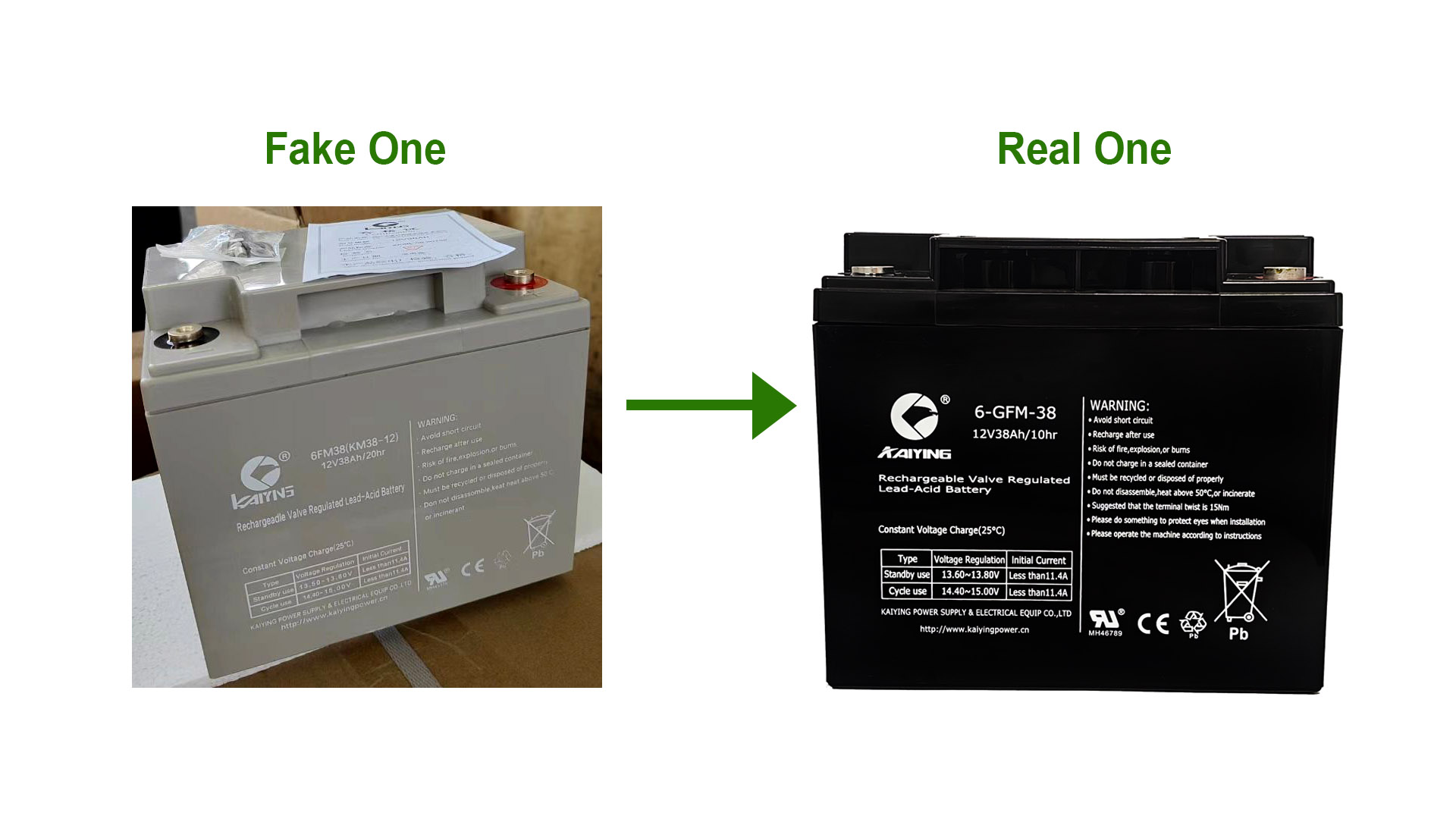
During market research, we identified counterfeit products through various issues on the battery casing, including:


Poor Casing Quality: Counterfeit batteries have thin casings with numerous scratches.


Inferior Silk-Screen Printing: The silk-screen printing on counterfeit batteries contains errors in text, data, and certification codes, and is often blurry. These issues not only affect the product's appearance but also indicate unstable internal quality.
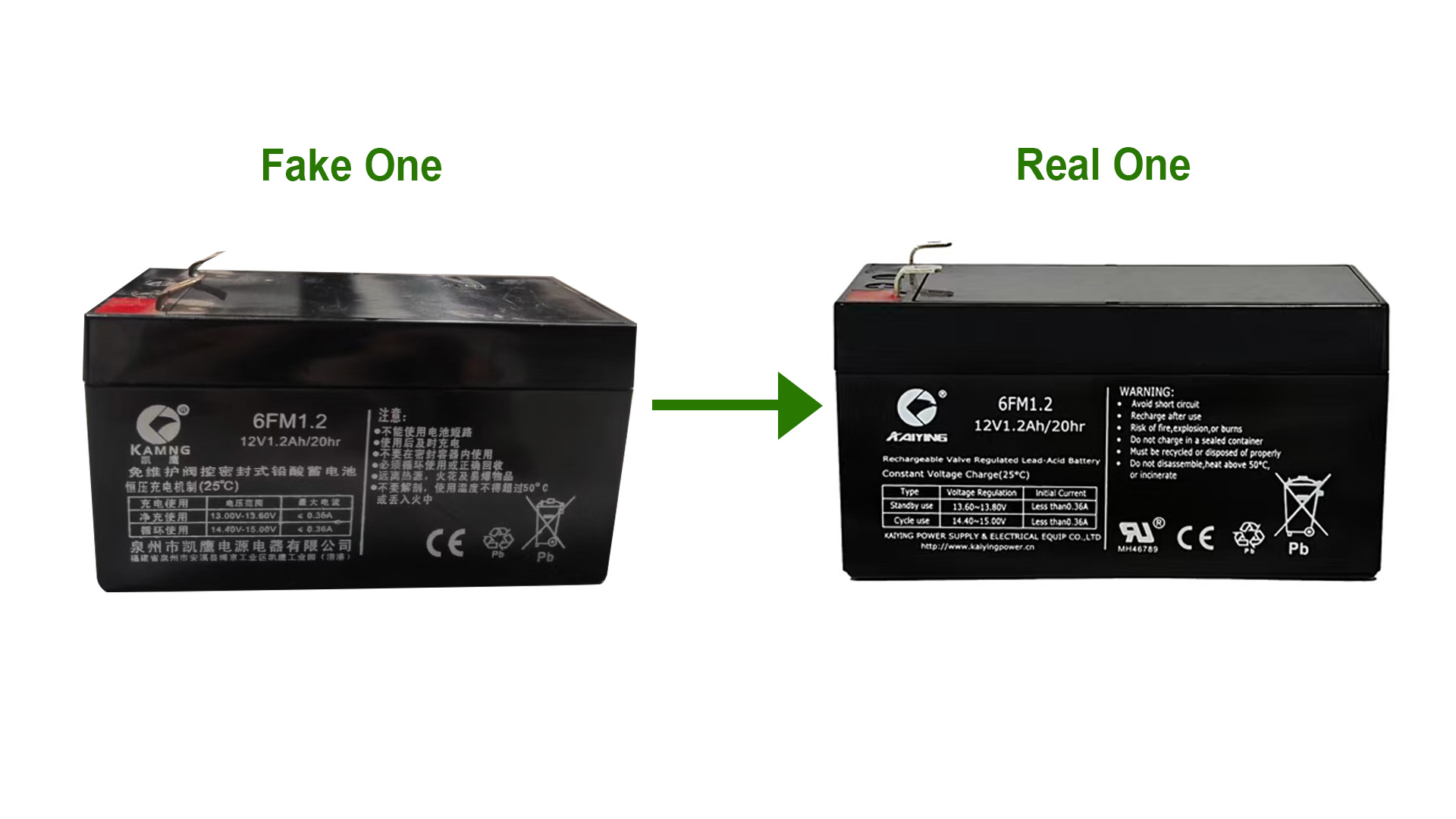
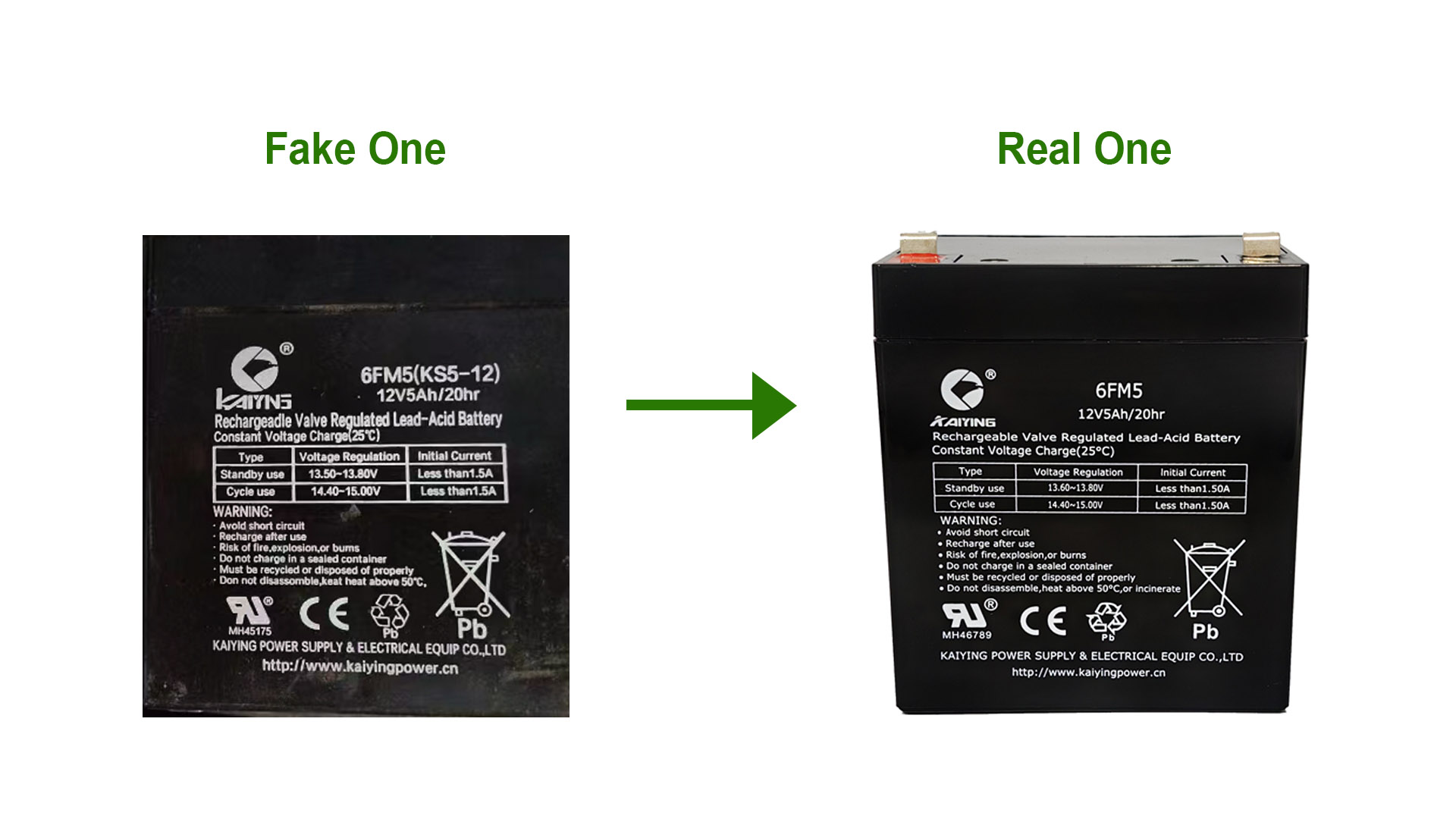
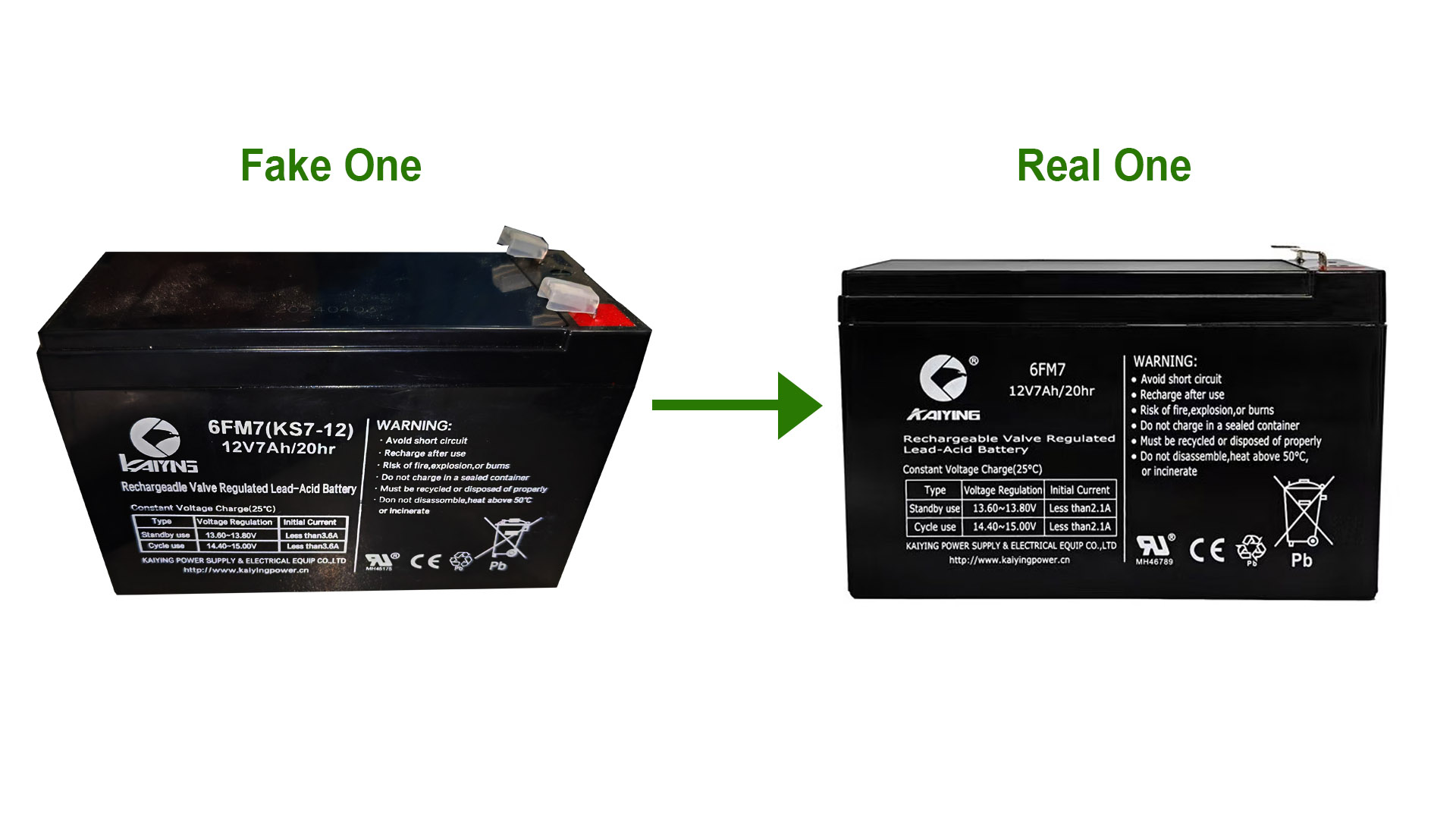
 

Irregular Date Coding: The date coding on counterfeit batteries is irregular and does not accurately reflect the production date.


Irregular Terminals and Acid Leakage: The terminals on counterfeit batteries are poorly made and prone to acid leakage and corrosion, which can lead to unstable connections, affecting the battery's performance and safety.


These subtle differences, though easily overlooked, are crucial in quality control. Our batteries feature clear and accurate silk-screen printing, consistent laser date coding, and well-made terminals with strict prevention of acid leakage. This discovery further strengthens our commitment to quality and reminds us to focus more on detail presentation and education in market promotion. Below are some examples:

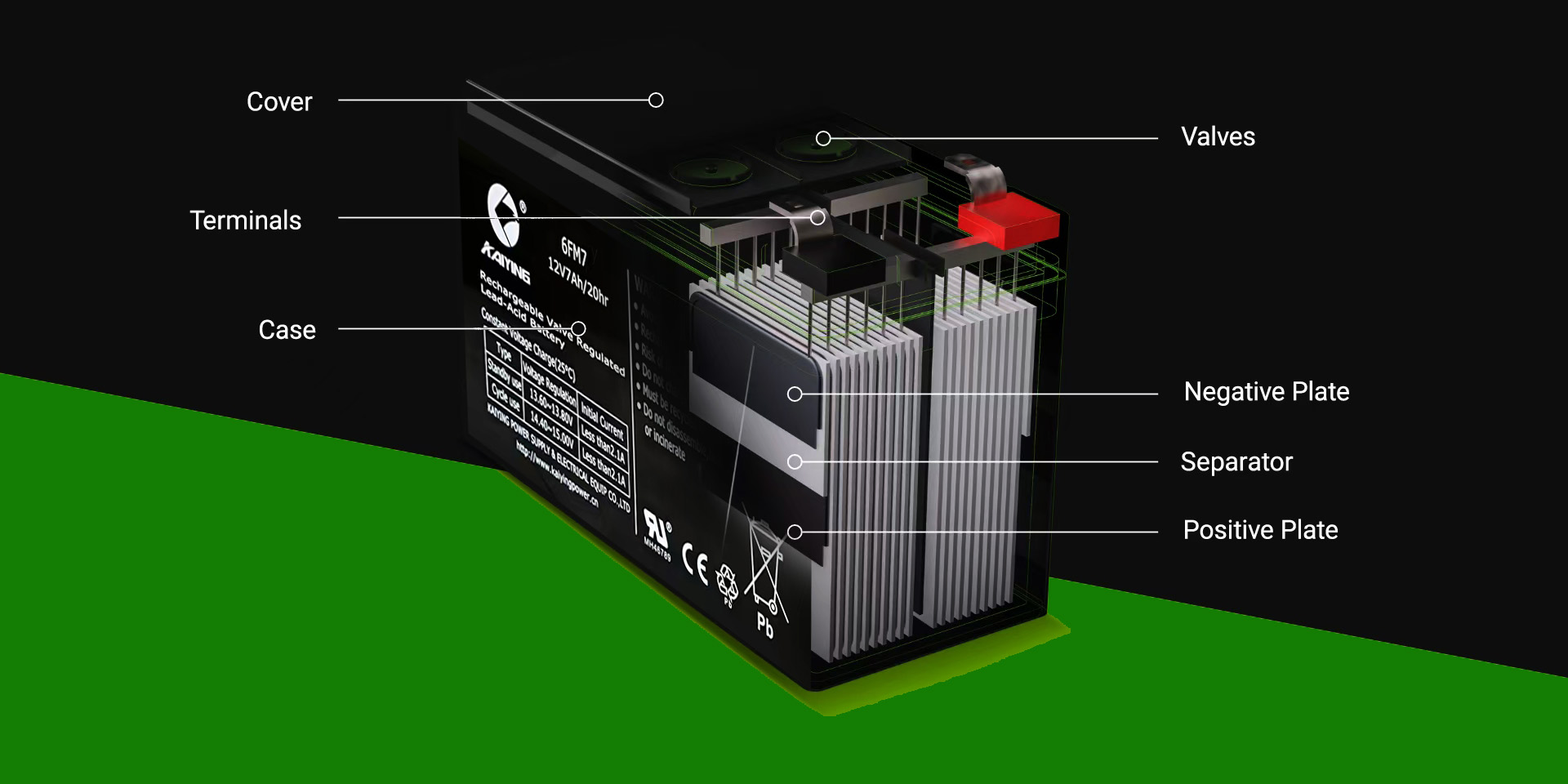
Kaiying 6FM1.2

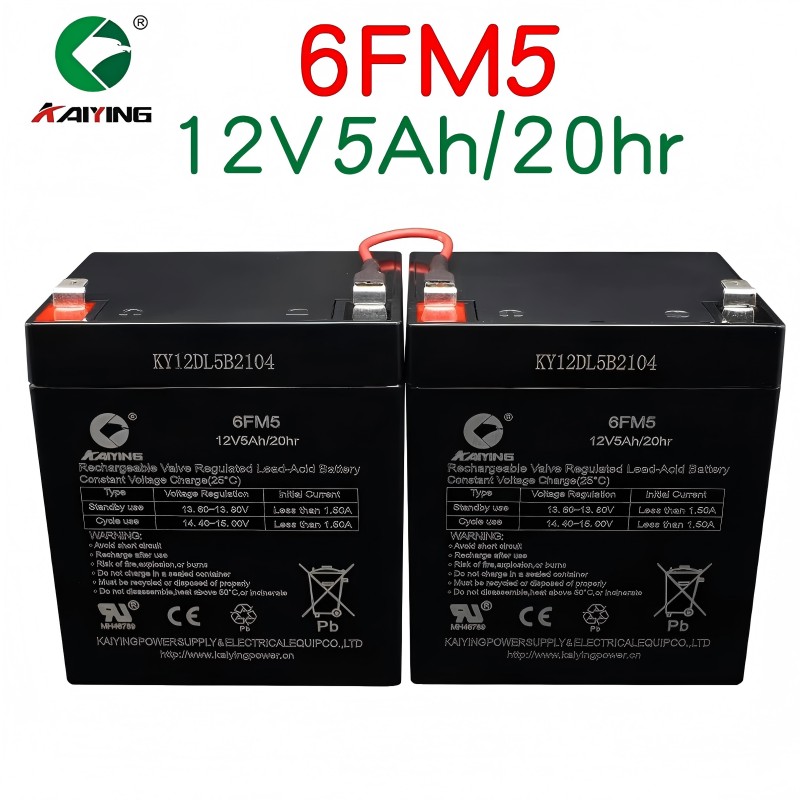
 Kaiying 6FM5

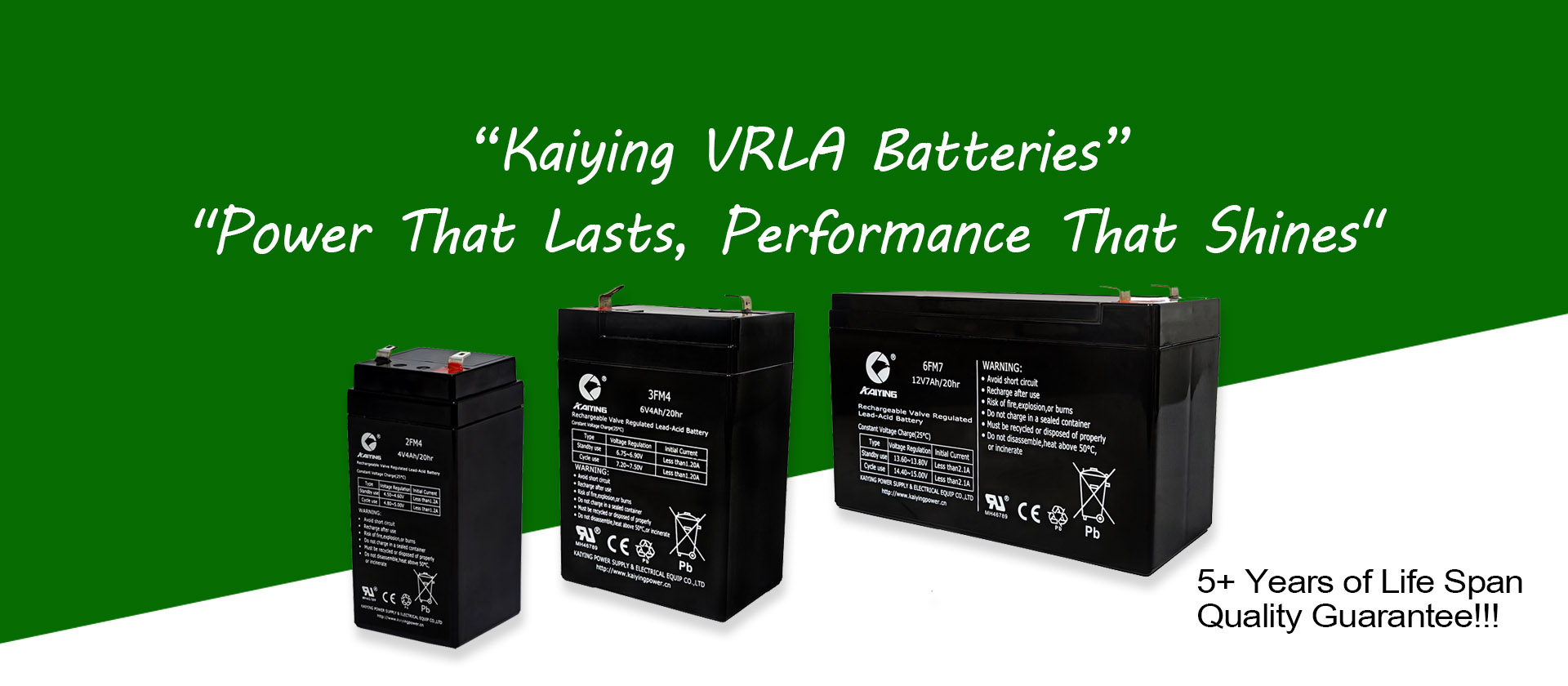
Kaiying 6FM7

Kaiying 6FM38

2. Comprehensive Harms of Substandard Lead-Acid Batteries to Equipment


The impact of substandard lead-acid batteries on equipment is multifaceted, mainly reflected in the following aspects:


Performance and Lifespan

Difficulty in Starting and Unstable Operation: Due to poor quality electrode materials and electrolyte, substandard batteries have increased internal resistance and rapidly decreasing discharge voltage. This not only makes it difficult to start equipment, such as motorcycles failing to start, but also causes voltage fluctuations during operation, leading to unstable equipment performance, like frequent restarts of data center servers.


Shortened Lifespan: Poor material quality can lead to incomplete chemical reactions and electrode material shedding, causing the battery capacity to drop quickly and shortening its lifespan. This increases the maintenance cost and downtime of equipment, such as the need for frequent battery replacements in UPS systems.


Safety and Environment

Equipment Damage and Safety Risks: Leakage and expansion issues can cause electrolyte to corrode the metal parts and electronic components of equipment, causing damage. Moreover, the poor quality casing of substandard batteries can easily break, potentially causing short circuits, overheating, and even fires, endangering personnel and property safety.


Environmental Pollution: Substandard batteries are prone to leaking harmful substances, such as lead and acid, during use and disposal, posing a threat to the ecological environment and human health. Discarded substandard batteries can contaminate soil and water sources if not disposed of properly.


Economy

Increased Maintenance Costs: Due to unstable performance, frequent inspections and maintenance are required, and the replacement frequency is high, which significantly increases the maintenance cost of equipment, affecting its economic efficiency and usability.


Faced with counterfeit and substandard lead-acid batteries in the market, we understand the importance of protecting consumer rights and maintaining market order. Through strict quality control, we ensure that every battery meets high-quality standards. We not only strictly monitor the production process but also focus on detail presentation and education in market promotion to help consumers identify genuine products. Our efforts can effectively combat counterfeit and substandard products, enhance consumers' trust in the Kaiying brand, and ensure the stable operation and safe use of equipment. We will continue to uphold our commitment to quality and provide consumers with higher quality products and services.

What Makes Kaiying A Trusted Global Partner in Lead-Acid Battery Manufacturing for 25 Years?

Since its establishment in 2000, Kaiying Power has been dedicated to the research and manufacturing of lead-acid batteries. With 25 years of technical expertise and large-scale production capabilities, we have become a reliable power solutions provider for global clients. Our products have obtained CE (EU), UL (USA), RoHS, and other international certifications, and are widely used in UPS systems, motorcycle starting, energy storage, and more. With an annual production capacity of 15 million units and an annual output value exceeding 1 billion RMB, we have been ranked among Quanzhou’s Top 100 Taxpayers for five consecutive years. Our modern production base was featured in CCTV’s Craftsmanship and Innovation documentary, showcasing our manufacturing strength.


Kaiying 12V7Ah VRLA Battery


Core Strengths


25 Years of Technical Expertise, Ensuring Stable Quality

Kaiying Power’s Quanzhou Industrial Park spans 200,000 square meters, featuring two fully automated production facilities and over 1,000 professional technicians. We utilize German hydraulic welding equipment and Japanese CCD visual inspection systems to ensure voltage deviation within ±0.03V for each batch, with end-customer complaint rates consistently 60% below the industry average.


Customized Solutions for Diverse Needs

We deeply understand customer application scenarios and provide tailored solutions.


Motorcycle Batteries for Russia: Customized high CCA (Cold Cranking Amps) batteries for extreme cold climates, achieving a 98% success rate in starting at -30°C, earning high praise from local distributors.


Electronic Scale Batteries for Mexico: Developed low self-discharge batteries to meet the special requirements of electronic scales, extending service life by 30% in high-temperature environments, driving continuous repeat orders.


UPS Batteries: Customized high-rate discharge batteries for a Southeast Asian data center, operating flawlessly for 3 years in 40°C environments, achieving 100% customer satisfaction.

Customer Service


We focus on rapid response and customized support, offering end-to-end services.


Technical Consultation: Professional team provides product adaptation advice and technical support within 24 hours.


Production Optimization: Adjust production processes based on customer needs to ensure both delivery timelines and quality standards are met.


After-Sales Support: A global service network ensures solutions for quality issues within 48 hours.


Contact Us


Visit http://www.kaiyingpower.com to view product and test report originals, and request a customized quotation.