Mastering Self-Discharge Kaiying Power's Lead-Acid Battery Solution

In modern society, lead-acid batteries are widely used in various fields such as motorcycle, UPS systems, and solar energy storage. However, they often face a common problem during usage: self-discharge rate. Self-discharge rate refers to the rate at which a battery loses energy when not being charged, affecting its performance and lifespan.


The impact of self-discharge rate on lead-acid batteries cannot be underestimated. A high self-discharge rate means that the battery loses energy quickly during storage or idle periods, reducing its availability and efficiency. This not only leads to the need for more frequent recharging before use but may also result in battery damage or performance decline during long-term storage.


As a battery factory, Kaiying Power is committed to addressing the challenge of self-discharge rate in lead-acid batteries and providing high-quality solutions. We have taken the following measures to reduce self-discharge rate:


1. Optimizing battery design: By improving the internal structure and material selection, we reduce internal reaction rates and consequently lower self-discharge rates.


2. Improving manufacturing processes: Utilizing advanced manufacturing techniques ensures sealing and stability during battery assembly, reducing the impact of external environments.


3. Optimizing storage conditions: We strictly control temperature and humidity during lead-acid battery storage, avoiding excessively high or low temperatures and damp environments to minimize self-discharge rates.


4. Regular maintenance and charging: We recommend regular maintenance and charging of lead-acid batteries to replenish lost energy from self-discharge and extend battery lifespan.


Kaiying Power is committed to providing high-quality, high-performance lead-acid battery products to meet customer needs. We believe that through continuous innovation and effort, we can deliver superior products and services to customers, ensuring the reliable application of lead-acid batteries across various fields.


lead-acid battery

Seizing the Latin American Market Kaiying Power Leads China's Lead-Acid Battery Exports

As demand for lead-acid batteries grows in Latin America, Chinese companies are actively entering this emerging market. Leading the way is Kaiying Power, which is meeting the needs of Latin American customers and making significant progress.


Growing Demand in Latin America

Recently, the demand for lead-acid batteries in Latin America has increased, especially in areas like automotive, telecommunications, UPS (uninterruptible power supply), and energy storage systems. As Latin American countries adopt renewable energy and electric vehicles, the need for energy storage solutions is rising, providing a broad market for lead-acid battery companies.


Kaiying Power's Strengths

Kaiying Power has always focused on producing high-quality lead-acid batteries. With strong production capabilities and technical advantages, it offers competitive prices and high-quality products. Kaiying Power leads with high-end products, ensuring durability and quality to meet the high standards of the Latin American market.


Trade Facilitation Boosts Exports

Trade facilitation between China and Latin American countries has improved, promoting the export of Chinese industrial products. Although Kaiying Power does not have production bases in Latin America, its efficient supply chain and logistics greatly reduce transportation costs and increase market responsiveness. These measures help Kaiying Power better meet the needs of Latin American customers.


Facing Challenges

Despite the new growth opportunities in Latin America, Kaiying Power faces some challenges. Adapting to local culture and business environments, building brand trust, and gaining market recognition are crucial. The company also faces fierce competition from international rivals. Additionally, fluctuations in raw material prices, environmental regulations, and the shift towards new energy technologies could impact the market for lead-acid batteries.


Comprehensive Strategy

To address these challenges, Kaiying Power has developed a comprehensive market entry and development strategy. By studying the Latin American market environment, assessing competition, and identifying potential risks, Kaiying Power aims to continuously improve product quality and service, enhance brand influence, and steadily expand in the Latin American market.


The Latin American market offers new growth opportunities for Chinese lead-acid battery companies. As a leading company, Kaiying Power is actively meeting the needs of Latin American customers with high-quality products and excellent service, strengthening its position in the international market. In the future, Kaiying Power will continue to focus on innovation and quality, driving progress in the lead-acid battery industry.


Battery In Mexico Market


SWOT Analysis and Future Outlook of the Lead-Acid Battery Industry In-Depth Insights from Kaiying Power

The lead-acid battery, a long-established and widely used energy storage technology, has played a vital role in various fields for many years. With the rapid development of new energy technologies, the lead-acid battery industry faces unprecedented opportunities and challenges. Using the SWOT analysis method, this article delves into the strengths, weaknesses, opportunities, and threats of the lead-acid battery industry, aiming to provide strategic decision-making references for industry participants.


Strengths


1. Cost-Effectiveness: Lead-acid batteries have extremely low production and maintenance costs, making them highly advantageous in price-sensitive markets, providing customers with economical energy storage solutions.


2. Mature Technology: As a mature technology, lead-acid batteries have a broad application base and stable performance, offering high reliability and low failure rates.


3. Recycling: Lead-acid batteries have a high recycling rate, and the lead materials can be reused, which contributes to resource conservation and environmental protection, achieving a green circular economy.


4. Wide Range of Applications: From automotive starter batteries to large-scale energy storage systems, lead-acid batteries are used in various fields with stable market demand.


Weaknesses


1. Relatively Low Energy Density: Although the energy density of lead-acid batteries is lower than that of some new battery technologies, their mature technology and low cost still provide a competitive edge in many application scenarios.


2. Limited Cycle Life: While the cycle life of lead-acid batteries is relatively short, technological improvements and regular maintenance can effectively extend their lifespan, reducing replacement frequency and costs.


3. Environmental Issues: The production and recycling of lead-acid batteries can have environmental impacts, but these issues are being gradually addressed with advancements in environmental technologies and processes.


Opportunities


1. Supportive New Energy Policies: The global emphasis on new and clean energy provides new market opportunities for lead-acid batteries. Supportive policies from various countries help sustain the development of the lead-acid battery industry.


2. Technological Advancements: Technological innovations, such as improvements in battery structure and materials, can further enhance the performance and application range of lead-acid batteries, strengthening their market competitiveness.


3. Growing Market Demand: With the rapid development of electric vehicles and energy storage systems, the demand for high-performance batteries is continually increasing, giving lead-acid batteries the potential to play a greater role in emerging fields.


4. International Cooperation and Trade: The global market offers broader development space and cooperation opportunities for the lead-acid battery industry, promoting international growth.


Threats


1. Competition from Alternative Technologies: The development of lithium batteries and other new battery technologies may erode the market share of lead-acid batteries, but their cost-effectiveness and mature technology still provide a competitive advantage.


2. Stricter Environmental Regulations: Increasingly stringent environmental regulations may raise the production and recycling costs of lead-acid batteries, but this also drives the industry towards more environmentally friendly practices.


3. Raw Material Price Fluctuations: Fluctuations in lead prices can affect the production costs and market pricing of lead-acid batteries, but effective supply chain management and cost control can mitigate these impacts.


4. Technological Obsolescence: Rapid technological advancements may render existing lead-acid battery technologies obsolete, but continuous research and innovation can help the industry maintain its competitiveness.


The lead-acid battery industry faces numerous challenges but also has many growth opportunities. Through SWOT analysis, we can clearly see the industry's development direction and potential risks. Industry participants need to continuously innovate, improve product performance, respond to environmental regulations proactively, and explore sustainable development paths. By seizing market opportunities, the lead-acid battery industry is poised to continue playing a crucial role in the new energy era.


Looking ahead, the lead-acid battery industry needs to maintain its cost advantage while increasing R&D investment to enhance product competitiveness. Through close cooperation with policymakers, research institutions, and the entire industry chain, the lead-acid battery industry is expected to achieve transformation and upgrading, meet the growing market demand, and contribute to the global energy transition. As a company specializing in the production of lead-acid batteries, Kaiying Power will continue to innovate and is committed to providing efficient and reliable energy solutions for customers, jointly embracing the new energy era.

Temperature Characteristics and Performance of Lead-Acid Batteries

Lead-acid batteries, as a common type of battery, are widely used in various applications, however, their performance is significantly influenced by temperature. This article will explore the temperature characteristics of lead-acid batteries, including their operating temperature range and the impact of temperature on capacity and cycle life.


Temperature Characteristics


The operating temperature range of lead-acid batteries is typically between 0°C and 50°C. Within this range, the battery can function normally and provide stable power output. However, extreme temperatures, such as below 0°C or above 50°C, can affect the performance of lead-acid batteries.


Impact of Temperature on Capacity


Temperature has a significant impact on the capacity of lead-acid batteries. Generally, low temperatures lead to a decrease in battery capacity, while high temperatures increase it. In cold environments, the rate of internal chemical reactions slows down, resulting in a decrease in the battery's discharge capability. Conversely, in hot environments, internal reactions accelerate, enhancing the battery's discharge capability. However, high temperatures also increase the self-discharge rate of the battery, shortening its lifespan.


Influence of Temperature on Cycle Life


Temperature also plays a crucial role in the cycle life of lead-acid batteries. At high temperatures, internal chemical reactions accelerate, exacerbating corrosion of the positive plate and sulfide formation, thereby shortening the battery's lifespan. Additionally, high temperatures promote electrolyte evaporation, further affecting the battery's performance. In contrast, at low temperatures, the rate of internal chemical reactions slows down, extending the battery's cycle life.


Conclusion


The performance of lead-acid batteries is significantly affected by temperature. Maintaining an appropriate operating temperature range is crucial to ensuring the normal operation and longevity of the battery. In practical applications, it is essential to control the battery's operating temperature and adjust its usage accordingly based on environmental conditions to maximize the performance and lifespan of lead-acid batteries.  

https://www.kaiyingpower.com/

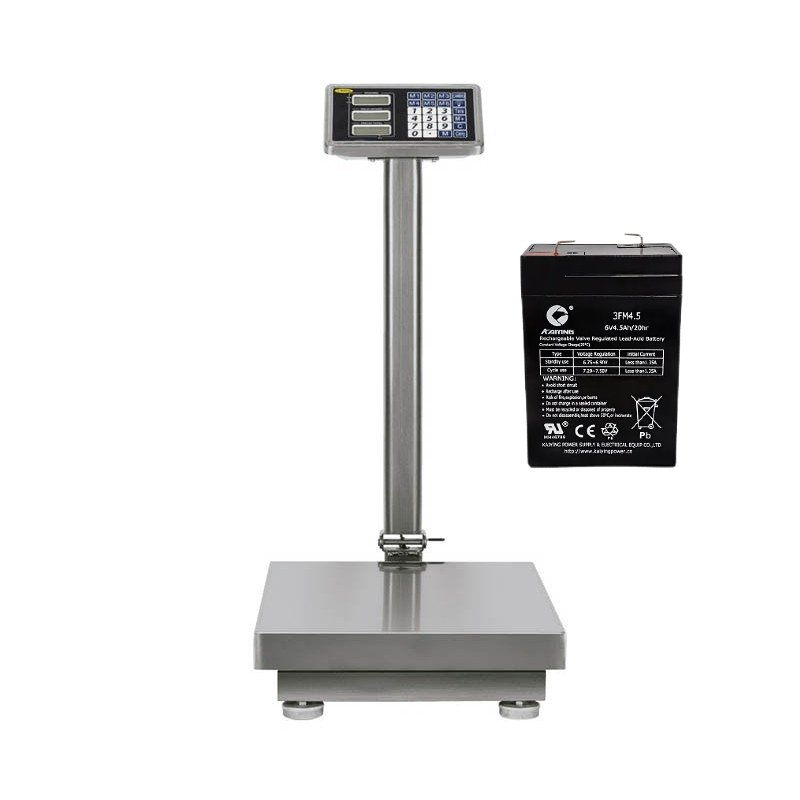
Troubleshooting and Maintenance Guide for Electronic Scale Lead-Acid Batteries

  • bateria recargable 6v
  • basculas bateria
  • bateria recargable 4v
     

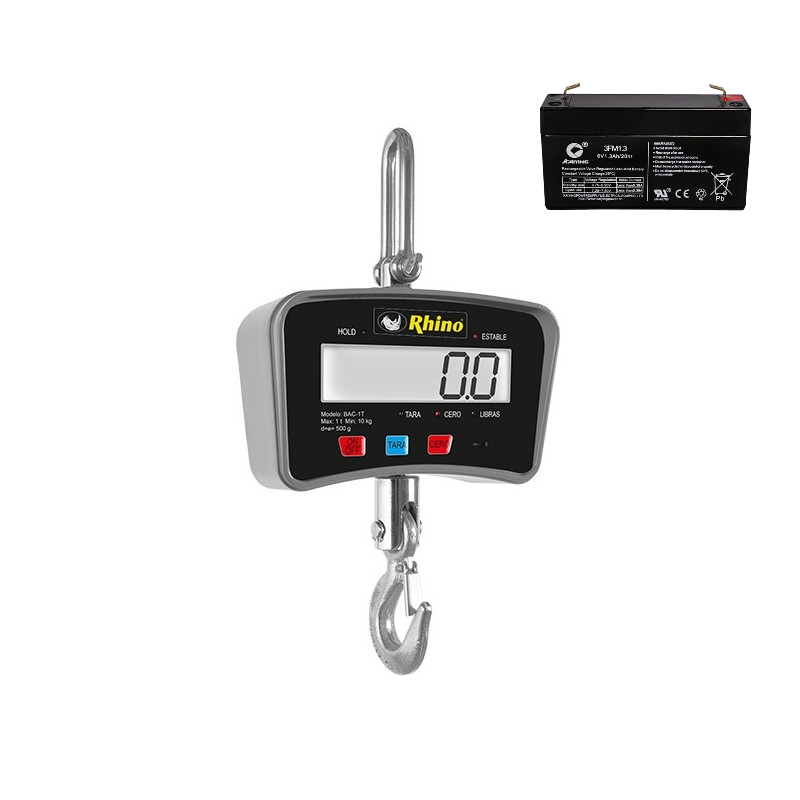
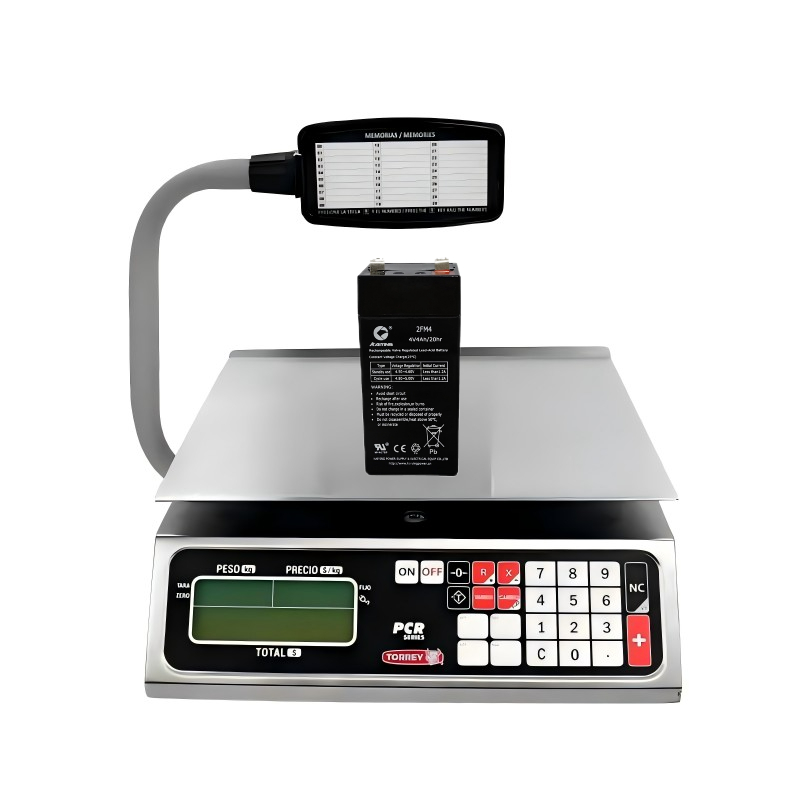
Lead-acid batteries are key components of electronic scales. Their stability directly affects the user experience. When problems occur with the lead-acid battery, timely troubleshooting and maintenance are essential. Below is a detailed guide to help you quickly locate and resolve issues with electronic scale lead-acid batteries.


1. Check the Battery Appearance

First, check the scale battery for damage, leaks, or swelling. These signs may indicate that the battery is damaged.


2. Check Battery Connections and Polarity

Ensure the battery is securely connected to the electronic scale, with no loose or corroded connections. Pay special attention to the correct connection of the battery’s positive and negative terminals. Incorrect polarity can not only prevent the battery from charging but also damage the charger and the battery itself. If the polarity is reversed, correct it immediately and check for any damage to related equipment.


Effects and Principles of Reversed Battery Polarity

 - Charger Damage: It can damage chargers without reverse polarity protection.

 - Battery Damage: Reverse connection can cause an internal short circuit, damaging the battery.

 - Electronic Scale Damage: If the scale lacks protection against reverse polarity, it may damage internal circuits.

 - Inability to Charge: Even with reverse polarity protection, reversed polarity will prevent normal charging.


The charging and discharging processes of a battery are based on chemical reactions, with positive and negative terminals designed to direct current flow in a specific direction. Reversing the current flow disrupts the chemical balance inside the battery, leading to performance degradation or damage.


3. Check Power Cables and Plugs

Inspect power cables for breaks or damage, and ensure the plug is clean and making good contact.


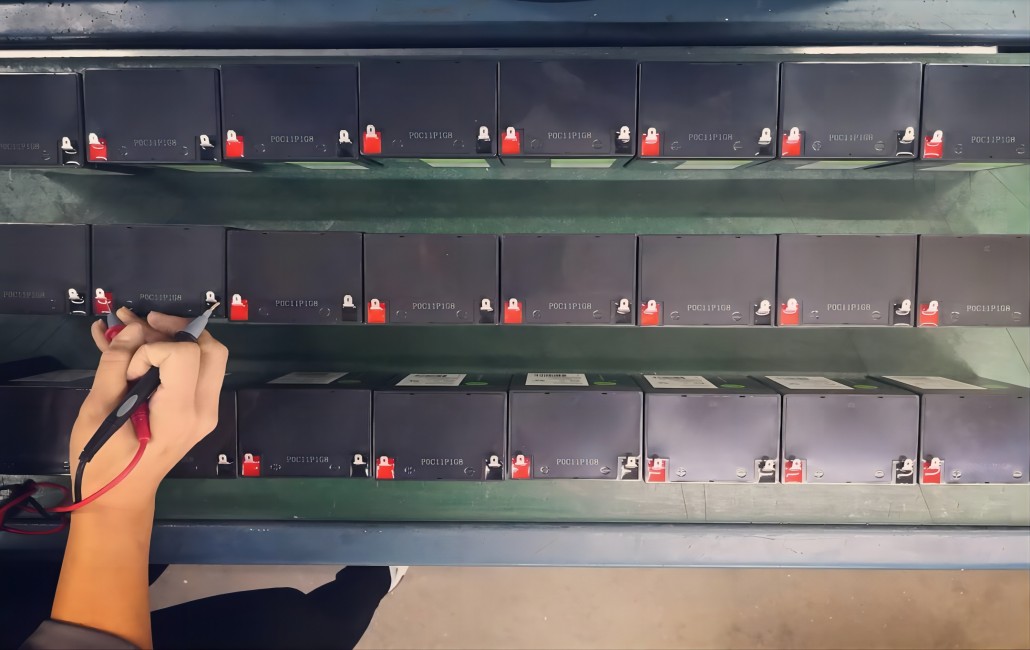
4. Test Battery Voltage

Use a multimeter to measure the battery voltage. If the voltage is much lower than the rated voltage, the battery may be undercharged or damaged.


5. Check the Charger

If the battery voltage is low, check if the charger is working properly. Make sure the charger has reverse polarity protection to prevent damage from reversed connections.


6. Battery Charge and Discharge Test

Perform a full charge and discharge cycle on the battery to check if it can regain its capacity.


7. Inspect Internal Circuits of the Scale

If the above steps don’t solve the problem, you may need to check for damage or faults in the electronic scale’s internal circuit board.


8. Check Battery Internal Resistance

Use specialized equipment to measure the battery's internal resistance, ensuring it is within the normal range. High internal resistance may indicate aging or damage.


9. Consider Environmental Factors

Ensure the electronic scale is in a suitable working environment, as extreme temperatures can affect battery performance.


10. Professional Diagnosis

If you cannot identify the problem through self-checks, contact professional repair services for further diagnosis.


Conclusion

By following the above troubleshooting steps, you can quickly locate and resolve issues with your scale battery. Ensuring the correct connection of the battery’s positive and negative terminals is key to avoiding potential damage and safety risks. If you encounter any problems, do not hesitate to contact professional technical support to ensure the safe and reliable operation of your electronic scale.


Kaiying Power has been committed to the developing and researching of quality weighing scale batteries, especially batteries like 4V4Ah, 6V1.3AH, 6V2.8Ah, 6V4Ah, 6V4.5Ah, etc. Even if we're facing the big JUMP of lead price, we still have very competitive prices. Come and get a quote here: https://www.kaiyingpower.com/contact-us

Battery Spot Welding Machine Selection Guide

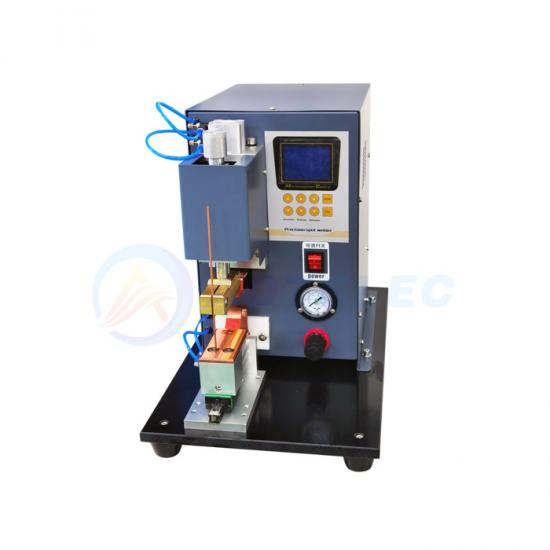
1.What is a battery spot welding machine?

A battery spot welding machine is a specialized welding equipment that generates local high temperature by concentrating current in an instant, causing the battery terminals (or tabs) to form a metallurgical bond with the connecting materials (nickel strips, bus bars, etc.). It is widely used in the assembly and production of lithium batteries (cylindrical, square, pouch type). Its core principle is to use the resistance heat generated by the current passing through the contact points to heat the welding area to a molten state. Under the pressure of the electrodes, a strong and stable solder joint is formed without damaging the internal electrolyte and active substances of the battery.


Unlike general spot welding machines, battery spot welding machines must meet the three core requirements of "low heat impact, high precision, and high stability" - because lithium batteries are sensitive to temperature (over 120℃ can lead to electrolyte decomposition), and the terminal materials (copper, aluminum, nickel) have strong conductivity and heat conductivity, the welding must be completed within milliseconds to avoid heat diffusion affecting the battery performance.


The core function of the battery spot welding machine

Realize mechanical connection and conductive path: Through the welding points, the battery cells are fixed with the nickel strips and bus bars, forming the mechanical structure of the battery module / PACK. At the same time, it ensures the low-resistance current conduction between the cells, avoiding the risk of overheating and fire caused by poor contact;

Ensure battery safety and lifespan: High-quality welding points can withstand charging and discharging cycles, high and low temperature environments, vibration and impact, preventing false welding, detachment (causing local high temperature and battery fire), or excessive contact resistance (resulting in range degradation and heat loss);

Improve production efficiency and consistency: The automated battery spot welding machine can achieve high-speed, batch welding (up to 200 points per minute), and through precise control of current, pressure, and time, ensure the consistency of each welding point parameters, reducing the defect rate of the battery module;

Adapt to various battery production scenarios: For different battery types (consumer electronics small batteries, automotive power batteries, energy storage large batteries), and different connection materials (nickel strips, copper strips, aluminum strips, composite strips), provide customized welding solutions to meet diverse production needs.
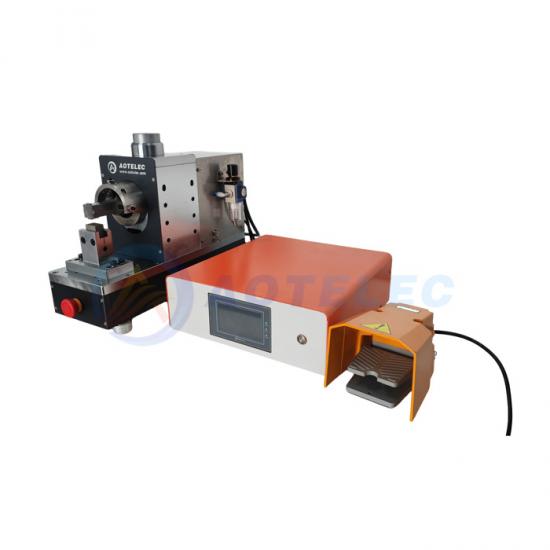
 battery spot welding

2.Key Comparison: The Core Dimension for Selecting the Right Battery Spot Welding Machine

Type of technology

Core Advantage

Applicable scenarios

Key weakness

Resistance Spot Welding Machine (RSW)

Low cost, fast speed (100-200 points per minute), strong compatibility

Batch production of consumer electronics and energy storage battery modules

The heat-affected zone is relatively large (0.8 - 1.5 mm)

Laser Spot Welding Machine (LSW)

Small heat-affected zone (≤0.3mm), high precision, no electrode loss

High-end consumer electronics, precision power batteries

High equipment costs and difficult maintenance.

Ultrasonic spot welding machine (USW)

No heat input, suitable for welding of different materials

Welding of copper-aluminum composite busbar

The welding strength is limited and it is not suitable for thick materials.


 battery spot welding

3. Frequently Asked Questions

(1) Why do the solder joints of the battery spot welding machine tend to come off or be poorly connected?

The main reasons are: ① The current control accuracy is insufficient (fluctuation exceeds ±1%), resulting in insufficient penetration depth; ② The electrode pressure is unstable and is not adjusted adaptively according to the material thickness; ③ The electrode tip is severely worn (common in resistance spot welding machines), and it is not promptly ground and replaced; ④ The welding surface has an oxide layer or oil stains, and no pre-treatment is done.

Solution: Select a medium-frequency inverter spot welding machine that supports closed-loop control (current accuracy ±0.5%), and equip an adaptive pressure regulation system; regularly clean the electrode tip (it is recommended to check once every 1000 welds); wipe the terminals and the surface of the connecting materials with alcohol before welding.


(2)What are the differences between the spot welding machines for consumer electronic batteries and power batteries?

Consumer electronic batteries (such as 18650, 21700 small cylinders): Focus on "high precision, low thermal impact", and mostly use laser spot welding machines or micro-resistance spot welding machines. The welding current is ≤ 10KA, and the heat affected zone is ≤ 0.5mm, to avoid damaging the battery packaging.

Power batteries (such as square lithium iron phosphate, 4680 large cylinders): Focus on "high current, high speed, high stability", and mostly use medium-frequency inverter resistance spot welding machines. The welding current is 15-50KA, the welding speed is ≥ 100 points/minute, and it needs to support multi-station linkage and modular production.


(3) What is the energy consumption of the battery spot welding machine? Are there energy-saving models available?

Traditional AC spot welding machine: The energy consumption per 1000 spots during a single welding session is approximately 0.8 - 1.2 kWh, and the standby power consumption is ≥ 50W.

Energy-saving medium-frequency inverter spot welding machine: The energy consumption per 1000 spots during a single welding session is as low as 0.3 - 0.5 kWh, and the standby power consumption is ≤ 10W. Annual electricity savings can reach over 30% (calculated based on an annual production of 10 million spots). (Assuming an annual electricity bill of 10 million kWh.)

Recommendation: Prefer to choose equipment with energy-saving motors and intelligent sleep function, and ensure that the power factor of the equipment is ≥ 0.95 (high-quality equipment ≥ 0.95). This can reduce power grid losses.


(4) Which is more suitable for welding copper-aluminum composite busbars, ultrasonic welding machine or resistance welding machine?

Recommended ultrasonic welding machine: The melting points of copper and aluminum differ significantly (copper 1083℃, aluminum 660℃). Resistance welding is prone to "excessive melting of aluminum and insufficient melting of copper", resulting in insufficient weld strength. Ultrasonic welding machine achieves solid-phase welding through mechanical vibration, without heat input, which can avoid material oxidation and defects caused by the difference in melting points. The tensile strength of the weld point is ≥120N, meeting the requirements for large current transmission of the busbar.


4. Selection Suggestions: Quickly match the optimal solution based on requirements

If it is a consumer electronics battery assembly factory (for mobile phones, power banks, notebook batteries): If the budget is sufficient, choose a laser spot welding machine (with minimal heat impact and high precision); if the budget is limited, choose a micro medium-frequency resistance spot welding machine (with low cost and strong compatibility);


If it involves the welding of copper-aluminum composite busbars (for energy storage batteries and high-end power batteries): The ultrasonic spot welding machine must be selected to avoid the welding defects caused by resistance spot welding;

For small-scale customized production (laboratories, small-scale manufacturing plants): Choose a portable spot welding machine, which supports manual parameter adjustment, has a small size, is easy to operate, and has a low single-welding cost.

LMFP-STL64 Lithium Iron Manganese Phosphate Powder A Breakthrough Cathode Material for Next-Generation Lithium-Ion Batteries

The global demand for high-performance, safe, and cost-effective energy storage solutions has never been greater, driven by the rapid growth of electric vehicles (EVs), renewable energy integration, and portable electronics. At the heart of every advanced lithium-ion battery lies the cathode material, which determines key performance metrics such as energy density, cycle life, safety, and cost. Among the emerging cathode technologies, LMFP-STL64 Lithium Iron Manganese Phosphate (LiMnxFe1-xPO4) powder stands out as a transformative innovation, combining the best attributes of traditional lithium iron phosphate (LFP) and high-voltage manganese-based materials. This article explores the properties, advantages, and applications of LMFP-STL64, while examining its role in the broader landscape of battery cathode materials.

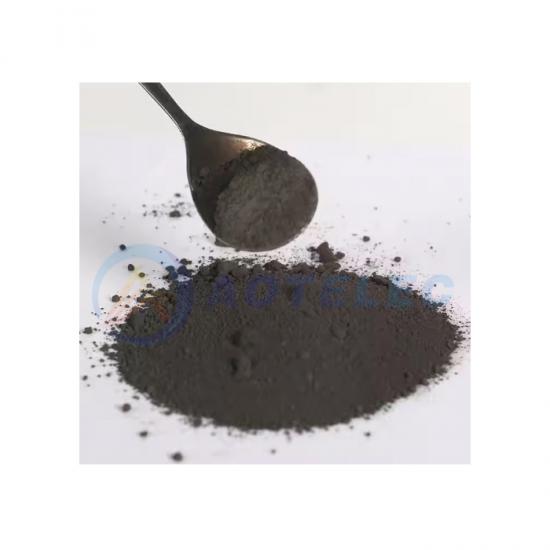
 LMFP powder

LMFP-STL64 is an olivine-structured cathode material engineered through precise stoichiometric control and advanced surface modification, designed to overcome the limitations of conventional LFP. While LFP has long been favored for its exceptional safety, long cycle life, and low cost, its relatively low operating voltage (3.2–3.4 V) and moderate energy density restrict its use in high-range EVs and compact energy storage systems. LMFP-STL64 addresses this by incorporating manganese into the LFP crystal structure, elevating its discharge voltage plateau to 3.9–4.1 V—a nearly 20% increase. This voltage boost, paired with a theoretical specific capacity of 190–200 mAh/g, pushes its energy density to 165–210 Wh/kg, 15–22% higher than standard LFP. Importantly, LMFP-STL64 retains the robust phosphate framework of LFP, where strong P-O covalent bonds prevent oxygen release under high temperatures, eliminating the risk of thermal runaway and ensuring unparalleled safety.


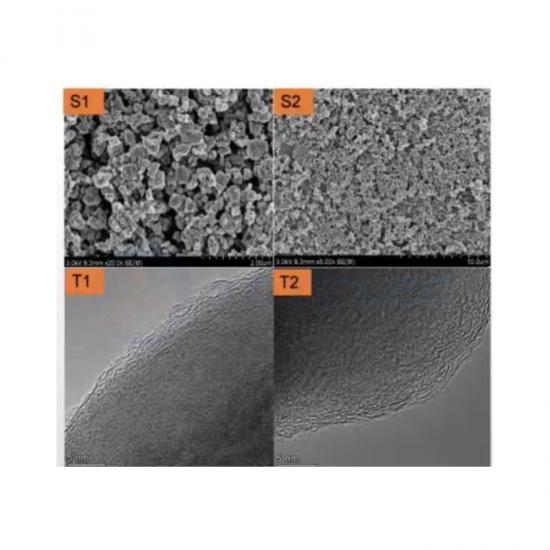
The industrial viability of LMFP-STL64 is further enhanced by its optimized powder characteristics. As a high-purity cathode powder, it features a uniform particle size distribution, high tap density, and excellent dispersibility, making it fully compatible with existing battery manufacturing processes. Advanced synthesis techniques, including nanocrystallization and carbon coating, improve its electronic conductivity and lithium-ion diffusion kinetics, solving the inherent low conductivity of phosphate materials. This modification enables faster charging and discharging rates, a critical requirement for modern EVs. Additionally, LMFP-STL64 exhibits outstanding low-temperature performance, maintaining over 80% of its capacity at -20°C—far superior to many LFP variants—expanding its usability in cold climates. A key advantage of LMFP-STL64 is its cobalt-free and nickel-free composition, relying on earth-abundant iron and manganese. This not only reduces raw material costs by 10–15% compared to nickel-cobalt-manganese (NCM) materials but also mitigates supply chain risks and ethical concerns associated with cobalt mining.


To fully appreciate LMFP-STL64’s significance, it is essential to contextualize it within the evolving battery material ecosystem. Traditional cathode materials can be divided into three main categories: olivine phosphates (LFP), layered oxides (NCM/NCA), and spinel oxides (LMO). LFP dominates the energy storage and low-cost EV markets due to safety and affordability but lacks energy density. NCM and NCA materials offer high energy density, making them ideal for long-range EVs, but suffer from higher costs, thermal instability, and reliance on scarce cobalt and nickel. Spinel lithium manganese oxide (LMO) is low-cost but has limited cycle life and poor high-temperature stability. Newer alternatives, such as nickel-rich layered oxides and manganese-rich cathodes, aim to reduce cobalt content but face challenges in cycle stability and manufacturing scalability.

LMFP powder

LMFP-STL64 occupies a unique "middle ground" in this landscape, bridging the performance gap between LFP and NCM without compromising safety or cost. It represents a practical, sustainable solution for the next generation of batteries, aligning with the industry’s shift toward cobalt-free, high-safety, and high-energy-density materials. Beyond LMFP, research into related phosphate-based materials, such as high-manganese LMFP and single-crystal LFP, is accelerating, with LMFP-STL64 serving as a proof of concept for phosphate material optimization. Concurrently, the development of solid-state batteries is driving demand for cathode materials with high compatibility with solid electrolytes, and LMFP-STL64’s stable structure makes it a promising candidate for solid-state battery integration.


The applications of LMFP-STL64 are vast and diverse. In the EV sector, it enables the production of mid-range electric passenger vehicles and commercial vehicles with longer driving ranges, faster charging times, and lower production costs, while maintaining the safety that LFP is known for. In grid-scale energy storage, LMFP-STL64 batteries offer higher system energy density, reducing installation footprint and total project costs compared to LFP-based systems. It is also ideal for electric two-wheelers, industrial energy storage, and backup power systems, where a balance of performance, safety, and affordability is critical. As manufacturing scales up, LMFP-STL64 is expected to replace a significant portion of LFP and low-nickel NCM materials in the coming decade.

Looking ahead, the future of battery cathode materials will be defined by four core principles: high energy density, exceptional safety, low cost, and environmental sustainability. LMFP-STL64 is poised to lead this transition, with ongoing research focused on further increasing manganese content, enhancing fast-charging capabilities, and extending cycle life beyond 4000 cycles. Complementary advancements in anode materials (such as silicon-carbon anodes) and electrolytes will further amplify LMFP-STL64’s performance, creating fully optimized battery systems.


LMFP-STL64 Lithium Iron Manganese Phosphate Powder is more than just an upgraded cathode material—it is a cornerstone of the global energy transition. By merging the safety and cost benefits of LFP with the higher energy density of manganese-based materials, it addresses the most pressing challenges facing lithium-ion batteries today. As the world moves toward a low-carbon future, LMFP-STL64 will play a pivotal role in powering electric transportation and enabling reliable, affordable energy storage, solidifying its place as a key innovation in the evolution of battery technology.

What is Battery Separator and Its Main Functions

1.What is a battery separator?

The battery separator is a core high-polymer porous film component inside lithium batteries, located between the positive and negative electrodes, with a thickness of only 4-20 microns. It is mainly made of polyethylene (PE), polypropylene (PP), or PP/PE composite materials as the base material, and is processed into a uniform microporous structure through wet phase separation or dry stretching techniques (the pore size is usually between 0.01 and 1 microns). 

In terms of morphology, it is like an "ultra-thin porous filter", which not only has physical structural integrity and can maintain its shape stability during battery assembly and charge-discharge cycles, but also has a very high porosity (wet-process separators have a porosity of 40% - 45%, while dry-process separators are about 35% - 40%), providing channels for lithium ion transmission. It is worth noting that the micro-pore size deviation of high-quality separators needs to be controlled within 10%, and the weight per square meter is only 3 - 10 grams, achieving core functions without increasing the volume and weight burden of the battery.
battery separator
2. The core role of battery separators: Three functions safeguard battery safety and performance
Although battery separators seem thin and light, they undertake the dual core missions of "safety protection + performance guarantee" for lithium batteries. These three functions are indispensable and directly determine the battery's service life, fast charging capability, and safety boundaries:

(1) Physical isolation: The "safety firewall" that prevents short circuits between the positive and negative electrodes
Direct contact between the positive electrode (such as ternary lithium, lithium iron phosphate) and the negative electrode (such as graphite) in lithium batteries can cause severe short circuits and even fires and explosions. Battery separators, through their continuous film structure, completely physically separate the positive and negative electrodes, preventing electrons from passing directly and avoiding short circuit risks from the root. This function is particularly crucial in extreme scenarios: for example, in the event of a collision in a new energy vehicle, high-quality separators can resist a puncture force of over 10N (wet-process separators have a puncture resistance strength of up to 12N), and even if the battery casing deforms, they can maintain structural integrity and prevent the positive and negative electrodes from coming into contact. During long-term storage or transportation of energy storage stations, the dimensional stability of the separator (thermal shrinkage rate < 3% at 120°C) can prevent membrane shrinkage and wrinkling caused by temperature changes, ensuring the continuous effectiveness of the isolation function.

(2) Ion conduction: The "energy channel" that guarantees the charge-discharge cycle
The essence of lithium battery charging and discharging is the back-and-forth migration of lithium ions between the positive and negative electrodes. The micro-pore structure of the battery separator provides a smooth transmission path for lithium ions - after the separator is soaked with electrolyte, lithium ions can quickly move between the positive and negative electrodes through the micro-pores, completing the charge transfer. The porosity and uniformity of the pore size of the separator directly affect the ion conduction efficiency: for example, the 42% ± 2% porosity wet-process separator used in Tesla's 4680 battery can increase the lithium ion conduction efficiency by 15%, supporting a 4C fast charging that can fully charge the battery in 15 minutes. Conversely, if the pore size deviation of the separator is too large (such as up to 20% for dry-process separators), it will lead to ion transmission obstruction, increase the battery's internal resistance by more than 5%, significantly reduce the fast charging speed, and even cause problems such as unbalanced charging and discharging and severe heating.
(3) High-temperature pore closure: The "last line of defense" against thermal runaway

When lithium batteries experience abnormal temperature increases due to overcharging, short circuits, or high-temperature environments, the battery separator initiates "self-protection": PE material separators close their micro-pores through thermal shrinkage at 135°C ± 2°C, and PP material separators do so at 165°C ± 5°C, cutting off the lithium ion transmission path and terminating the battery's charge-discharge reaction to prevent further temperature rise and thermal runaway. This function is crucial in high-power devices such as energy storage stations and new energy vehicles - for example, the PP separators used in energy storage stations remain stable for 30 consecutive days at 60°C, and when the temperature unexpectedly rises to 165°C, they can quickly close the pores to block the current, preventing battery fires and explosions. In contrast, if the separator's thermal stability is insufficient (thermal shrinkage rate > 5%), micro-pore collapse or membrane fracture may occur at high temperatures, not only failing to close the pores but also potentially causing direct contact between the positive and negative electrodes, exacerbating safety risks. With technological advancements, modified separators (such as ceramic-coated and PVDF-coated separators) have added value beyond their core functions: Firstly, they enhance mechanical strength. Ceramic-coated separators have a 20% higher puncture resistance than ordinary separators, providing better protection against lithium dendrite penetration. Secondly, they improve electrolyte wettability. The contact angle of the coated separator with the electrolyte is less than 30°, further enhancing ionic conductivity. Thirdly, they improve thermal stability. Ceramic coatings (such as Al₂O₃ and SiO₂) can increase the temperature tolerance limit of the separator to over 200°C, expanding the operating temperature range of the battery to -40°C to 85°C, making them suitable for extreme application scenarios such as high cold and high heat. 


3. Strong correlation between function and application scenarios: Core demands of different scenarios for function
The three major functions of battery separators have different weights in different application scenarios, directly determining the selection logic:
New energy vehicle power batteries: The core demands are "safety + fast charging", so wet-process separators are preferred - their strong isolation (puncture resistance of 10N+), high ion conduction efficiency (compatible with 4C fast charging), and reliable high-temperature pore closure function can meet the demands of high-speed driving and frequent fast charging of vehicles.
Energy storage power stations: The core demands are "safety + cost", dry-process PP separators have a higher high-temperature pore closure temperature (165°C), which is more suitable for the long-term high-temperature operation scenarios of energy storage batteries, and they also have a significant cost advantage, which can reduce the cost of large-scale energy storage systems.
Consumer electronics (mobile phones, laptops): The core demands are "lightness + thinness + cycle life", ultra-thin wet-process separators (5-7μm) can enhance battery energy density while ensuring isolation and ion conduction functions, supporting over 3000 cycles of use.

4,000 Cycles & -30℃ Discharge Why This 3.2V 100Ah LiFePO4 Cell Is Ideal for 2-Wheel, 3-Wheel & 4-Wheel EVs

For electric scooter, 2-wheel EV, 3-wheel tricycle and 4-wheel low-speed vehicle manufacturers, choosing a reliable LiFePO4 battery cell is the key to ensure battery pack safety, range and service life. Our IFP-27175200A-100Ah prismatic aluminum-case lithium iron phosphate battery cell is specially designed for light electric vehicles, providing stable and high-performance power solutions.


Professional Features of 3.2V 100Ah LiFePO4 Battery Cell


This IFP-27175200A-100Ah battery cell adopts automotive-grade LiFePO4 technology and strict production standards, which perfectly matches the high-frequency, high-current and all-weather working conditions of electric vehicles.

3.2V 100Ah prismatic LiFePO4 cell

Long cycle life: Up to 4000 cycles at 100% DOD, effectively extending battery pack service life


High safety: Passes overcharge, short circuit, nail penetration and extrusion tests, no fire or explosion


Low internal resistance: 0.45±0.15mΩ AC impedance, supports strong power output and quick acceleration


Wide temperature range: Discharge stably at -30℃~45℃, suitable for global use


Low self-discharge: ≤4% per month, keeps power even after long storage


Wide Application for 2-Wheel, 3-Wheel & 4-Wheel Electric Vehicles


The IFP-27175200A-100Ah 3.2V 100Ah LiFePO4 battery cell can be freely assembled in series and parallel to make battery packs of different voltages, which is widely used in various light electric vehicles.


Safety & Reliability Assurance

Our IFP-27175200A-100Ah LiFePO4 battery cell is designed and manufactured in accordance with automotive power battery standards, providing all-round safety and reliability for electric vehicle applications.

Comply with international power battery safety standards


 Multiple protection design against overcharge, over-discharge and short circuit


Stable chemical composition, no thermal runaway risk


100% tested for voltage, capacity and internal resistance before delivery


Suitable for long-term, high-frequency use in electric vehicles


Daily Use & Maintenance Tips

Proper operation can greatly extend the service life of 3.2V 100Ah LiFePO4 battery cell.


Avoid overcharge and over-discharge during use


Use within the standard temperature range


Keep consistent voltage and internal resistance in one pack


Store at 5%–50% SOC in cool and dry environment


Key Specifications of IFP-27175200A-100Ah Battery Cell


Nominal Voltage 3.2V
Nominal Capacity 100Ah
Type Prismatic aluminum-case LiFePO4 battery cel
Charge Cut-off 3.65V
Discharge Cut-off 2.0V
 Operating Temperature Charge 0~45℃, Discharge -30~45℃


Why Choose Our IFP-27175200A-100Ah LiFePO4 Battery Cell

We focus on R&D and manufacturing of high-quality lithium battery cells for electric vehicles, with strict quality control and complete certifications, which helps you build safer and more competitive battery packs.


FAQ

1.Is this cell suitable for 2/3/4-wheel electric vehicles?

Yes. This 3.2V 100Ah LiFePO4 battery cell can be connected in series and parallel, perfectly suitable for electric scooters, 2-wheel EVs, 3-wheel tricycles and 4-wheel low-speed EVs.


2. What is the cycle life of IFP-27175200A-100Ah cell?

It reaches more than 4000 cycles at 100% DOD, with long service life and low replacement cost.


3. What are the safety features of this LiFePO4 cell?

It passes overcharge, short circuit, nail penetration and extrusion tests. It is safe, stable, no fire, no explosion, ideal for electric vehicles.


4. What is the working temperature range?

Charging: 0℃~45℃; Discharging: -30℃~45℃. It works well in cold and hot environments.


5. Can we use this cell to make 48V/51.2V battery packs?

Yes. 3.2V 100Ah LiFePO4 battery cell is widely used to make 48V/51.2V battery packs for electric vehicles and energy storage systems.


6. What is the internal resistance of this cell?

AC internal resistance (1kHz) is 0.45±0.15mΩ, low internal resistance supports high power discharge and strong acceleration


7. Do you support OEM/ODM for battery cell cooperation?

Yes. We support OEM/ODM, sample testing, bulk order and technical support

Where can you use a 52Ah LiFePO4 prismatic cell?

As electric mobility, outdoor operations, residential energy storage and industrial backup power continue to evolve globally, the IFP28148115A-52Ah square LiFePO4 (LFP) battery cell stands out with superior safety, long cycle life, wide temperature tolerance and stable power delivery. Built for mass applications, this 52Ah lithium-ion battery perfectly powers two-wheel EVs, three-wheel EVs, four-wheel EVs, outdoor power stations, home energy storage and many more demanding scenarios.


Core Specifications of IFP28148115A-52Ah


Parameter  Value 
Nominal Voltage 3.2V
Nominal Capacity  52Ah
Weight 966g ±30g
Gravimetric Energy Density  175Wh/kg
Volumetric Energy Density 350Wh/L
AC Internal Resistance 0.5 ~ 0.8mΩ
DC Internal Resistance ≤2.5mΩ(50% SOC, 25℃)
Charge Temperature Range -20℃ ~ 55℃
Discharge Temperature Range -30℃ ~ 60℃


Full Application Scenarios


Electric Mobility


Two-wheel electric vehicles: E-bikes, e-scooters and shared mopeds benefit from 52Ah high capacity for longer range and reliable low-temperature discharge.


Three-wheel electric vehicles: Cargo scooters, sanitation vehicles and mobility scooters gain strong pulse power for heavy loads and hill climbing.


Four-wheel electric vehicles: Low-speed sightseeing cars, campus shuttles and micro EVs enjoy long cycle life to reduce replacement costs.

  • 52Ah battery for two-wheel EV
  • 3.2V 52Ah battery for three-wheel EV
  • 3.2V 52Ah battery for four-wheel EV


Portable & Outdoor Power


Outdoor power stations: Ideal for camping, photography and fieldwork with high safety and high energy density.


Inverter power supply & surfboard power: Delivers stable high current for water sports and outdoor equipment.


Emergency power supply & power banks: Low self-discharge and compact design support blackout emergencies and daily mobile power.

  • 3.2V 52Ah battery for outdoor power supply
  • 3.2V 52Ah battery for surfboard power
  • 3.2V 52Ah battery for power bank


Green Energy & Public Facilities


Street lamp power & solar power systems: Works smoothly with PV panels, even at -30℃ in cold regions.


Home energy storage power: Supports PV energy storage with 8-year service life and ultra-high safety.

  • 52Ah battery for street lamp
  • 3.2V 52Ah battery for home energy storage
  • 52Ah battery for solar power system


Key Advantages of IFP28148115A-52Ah Battery Cell

high energy density 3.2V 52Ah LFP cell

Ultra-high safety: Passes overcharge, over-discharge, short circuit, nail penetration, crush and heating tests; non-flammable and non-explosive.


Extra-long service life: 2000 cycles and 8-year calendar life reduce total cost of ownership.


Wide temperature performance: Operates reliably from -30℃ to 60℃ for harsh environments.


High-power pulse support: 3C discharge and 2.25C charging capability for instant power demand.


Standardized design: Square shape and fixed dimensions simplify PACK assembly and mass production.


The IFP28148115A-52Ah LiFePO4 battery cell integrates safety, longevity, wide-temperature adaptability and high power. It is the optimal core component for two-wheel EVs, three-wheel EVs, four-wheel EVs, outdoor power, home energy storage, base station power, truck air conditioner power and more. For manufacturers and system integrators, this cell brings stable performance, high compatibility and competitive value to energy storage and electric mobility solutions.

If you are looking for a safe, long-cycle, wide-temperature universal cell, please contact us for samples or technical support.


FAQ


1. What is the IFP28148115A-52Ah battery cell?

It is a 3.2V 52Ah prismatic LiFePO4 battery cell with high safety, long cycle life and wide temperature performance, widely used in EV, energy storage and industrial power supply.


2. What applications is IFP28148115A-52Ah suitable for?

It can be used for two-wheel EV, three-wheel EV, four-wheel EV, outdoor power, inverter, surfboard power, emergency power, street lamp, solar power, power bank, home energy storage, base station, truck air conditioner, etc.


3. Does this cell support fast charge and high rate discharge?

Yes. It supports 1C fast charge and 3C high rate pulse discharge, with stable performance and low heat.


4. Is IFP28148115A-52Ah safe enough for EV and home storage?

Yes. It passes overcharge, over-discharge, short circuit, nail penetration, crush, heating tests, no fire, no explosion, very safe.


5. Do you provide wholesale, OEM or ODM service?

Yes. We offer wholesale, bulk supply, OEM and ODM for global customers.

  1.