The Critical Role of Different Binders in Battery Laboratory Research​

Binders are the unsung heroes of battery electrode fabrication—though they typically account for just 2–5 wt% of an electrode’s total mass, their impact on battery performance, stability, and scalability is profound. In battery laboratories, researchers rely on a diverse range of binders to address the unique challenges of emerging electrode materials (e.g., silicon, sulfur, sodium-based compounds) and next-generation battery chemistries (lithium-ion, sodium-ion, solid-state). These polymeric or biopolymeric materials serve three core functions: adhering active materials to current collectors, binding conductive additives into a interconnected network, and accommodating volume changes during charge-discharge cycles. This article explores the most widely used binders in battery labs, their working mechanisms, and how researchers tailor their selection to advance battery technology.


1. Polyvinylidene Fluoride (PVDF): The Traditional Workhorse

Polyvinylidene fluoride (PVDF) has long been the gold standard binder in lithium-ion battery (LIB) research, valued for its exceptional chemical stability and compatibility with organic electrolytes. Composed of repeating -CH₂-CF₂- units, PVDF’s hydrophobic nature and high crystallinity make it resistant to degradation by carbonate-based electrolytes (e.g., ethylene carbonate/diethyl carbonate mixtures) commonly used in LIBs.


2. Styrene-Butadiene Rubber/Carboxymethyl Cellulose (SBR/CMC): Aqueous Alternative for Anodes

The SBR/CMC composite binder has emerged as the leading aqueous alternative to PVDF, especially for anode research involving graphite or silicon-graphite blends. This water-based system combines the elasticity of styrene-butadiene rubber (SBR) with the mechanical strength of carboxymethyl cellulose (CMC), a cellulose derivative modified with carboxymethyl groups (-CH₂COOH) to enhance water solubility.

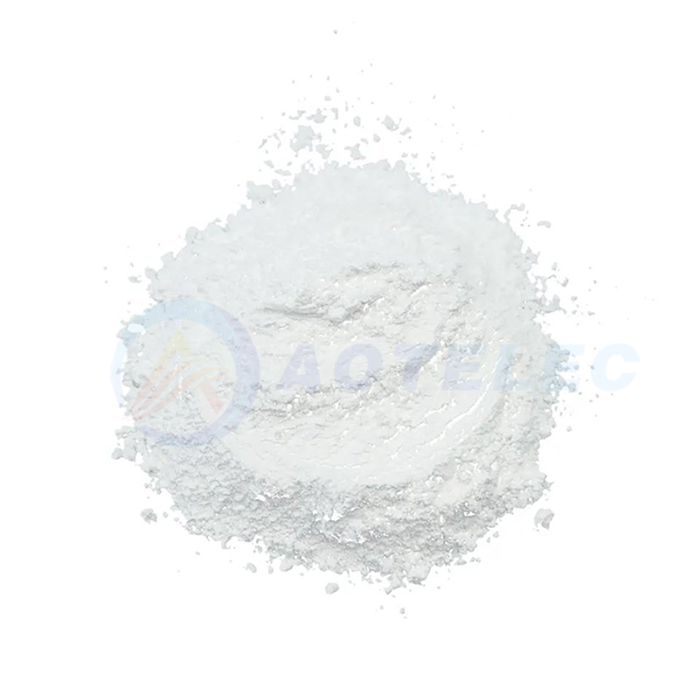
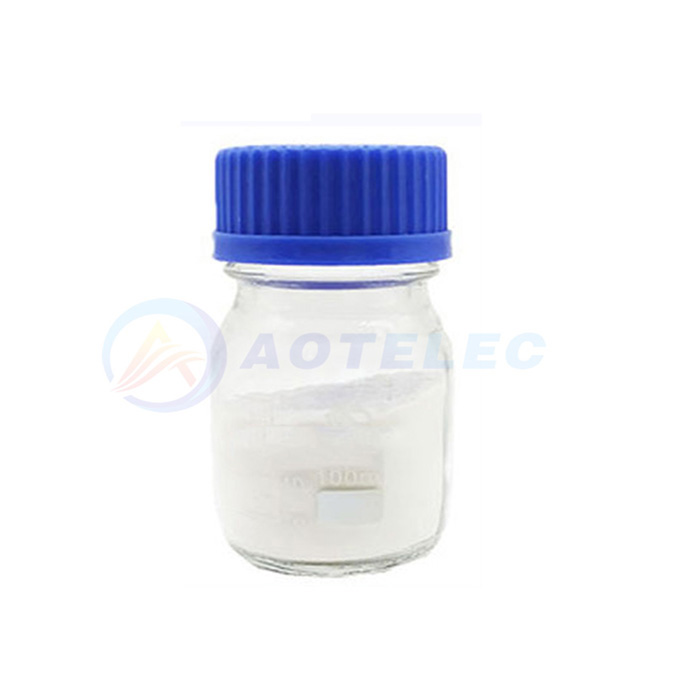
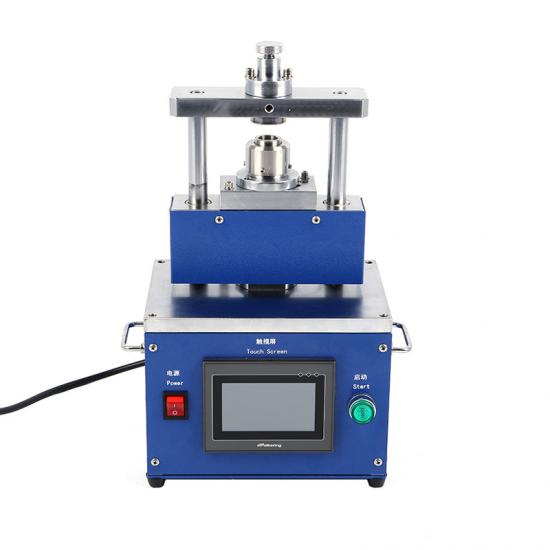
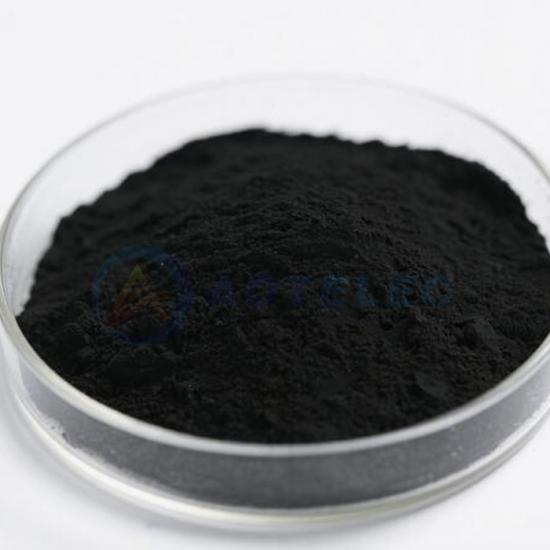
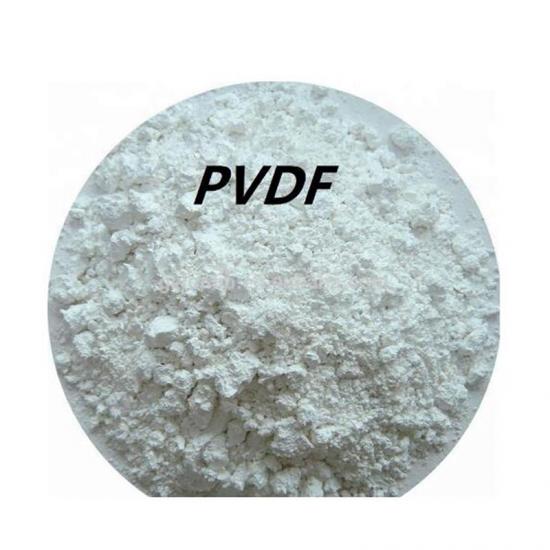
pvdf powder

3. Polyacrylic Acid (PAA): Dynamic Binder for High-Volume-Expansion Materials

Polyacrylic acid (PAA)—a water-soluble polymer with repeating -CH₂-CH(COOH)- units—has become a staple in labs studying extreme volume-expansion materials like silicon, tin, or antimony. Unlike PVDF’s static covalent bonds, PAA forms dynamic hydrogen bonds between its carboxyl groups (-COOH) and hydroxyl groups (-OH) on active material surfaces (e.g., silicon oxide layers). These bonds can break and reform during charge-discharge cycles, accommodating volume changes without losing adhesion.


4. Polyimide (PI): High-Temperature Binder for Extreme Conditions

Polyimide (PI)—a high-performance polymer known for its thermal stability (decomposition temperature >400°C) and chemical inertness—is used in labs researching batteries for extreme environments (e.g., aerospace, industrial sensors) or high-temperature solid-state batteries (SSBs). PI’s rigid aromatic backbone and imide functional groups (-CO-NH-CO-) provide exceptional resistance to heat, organic electrolytes, and oxidative degradation.


PI is also used in high-voltage LIB cathodes (4.5V+) where traditional binders degrade. A 2025 study in Advanced Energy Materials showed that NMC 9010 cathodes with PI binders retained 92% capacity after 1,000 cycles at 4.6V, compared to 70% with PVDF, due to PI’s resistance to electrolyte oxidation. However, PI’s high cost (~$200/kg) and poor solubility in common solvents (requiring toxic dimethylacetamide) limit its use to specialized lab research, though efforts to develop water-soluble PI derivatives are ongoing.


5. Biobased Binders: Sustainable Options for Next-Gen Batteries

As labs prioritize sustainability, biobased binders derived from renewable resources (e.g., plants, algae) have gained traction. These include sodium alginate (from brown algae), chitosan (from crustacean shells), and lignin (from wood pulp)—all offering low cost, biodegradability, and aqueous processing.

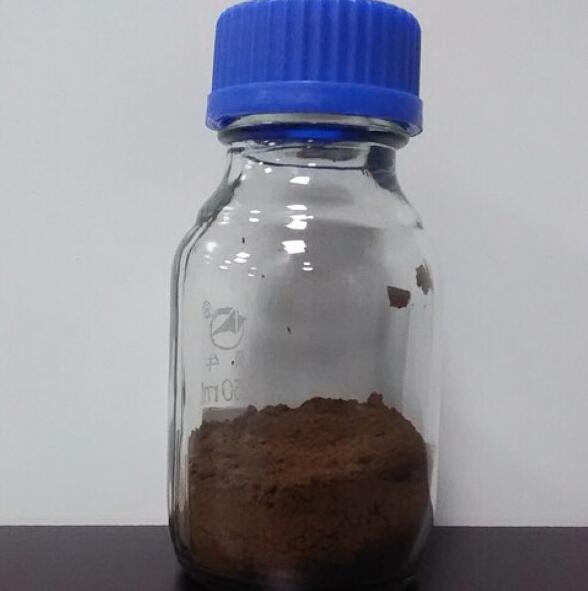
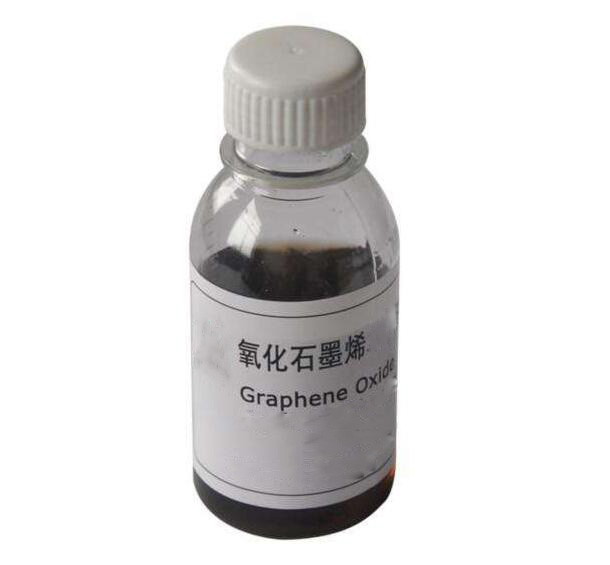
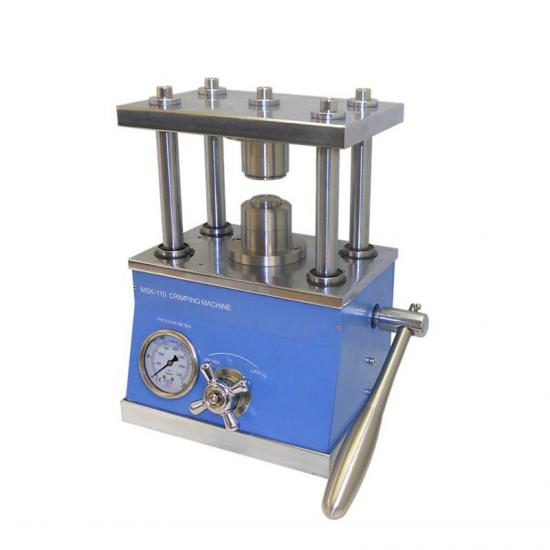
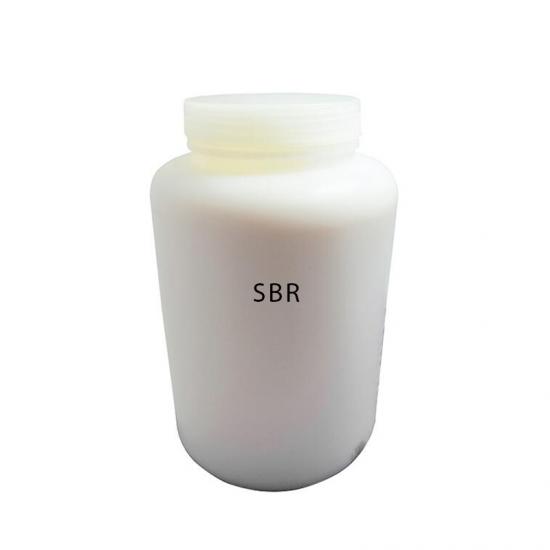
 sbr binder

Sodium alginate (SA) is a standout in SIB and LIB research. Its linear structure with guluronic acid and mannuronic acid units forms strong ionic crosslinks with metal ions (e.g., Na⁺, Ca²⁺), creating a flexible yet robust network. In SIB hard carbon anodes, SA binders outperform PVDF in cycle life (90% capacity retention after 1,000 cycles) and rate capability, as their ionic crosslinks enhance Na⁺ transport. Labs also use SA for sulfur cathodes in Li-S batteries, where its polar groups adsorb soluble polysulfides, mitigating the "shuttling effect" that causes capacity fade.

Chitosan, a cationic polysaccharide, is used in labs exploring zinc-ion batteries (ZIBs) due to its compatibility with aqueous electrolytes and ability to inhibit zinc dendrite growth. Its amino groups (-NH₂) form complexes with Zn²⁺, smoothing Zn deposition on anodes. Lignin, a byproduct of paper production, is being developed as a low-cost binder for LFP cathodes—though its low solubility requires modification (e.g., sulfonation) in lab settings to improve processability.


6. Binder Selection Criteria in Battery Labs

Researchers in battery labs select binders based on five key factors:

Material Compatibility: Binders must be stable with active materials (e.g., acid-resistant binders for silicon, oxidation-resistant for high-voltage cathodes) and electrolytes (aqueous vs. organic).

Volume Expansion Accommodation: High-flexibility binders (e.g., PAA, SBR/CMC) for materials like silicon; rigid binders (e.g., PVDF, PI) for low-expansion graphite or NMC.

Processing Requirements: Aqueous binders (SBR/CMC, PAA) for green manufacturing; organic-soluble binders (PVDF, PI) for specialized chemistries.


In battery laboratories, the choice of binder can make or break the success of new active materials or chemistries: PVDF sets the baseline for stability, SBR/CMC enables green anode research, PAA unlocks high-volume-expansion materials, PI addresses extreme conditions, and biobased binders pave the way for sustainable batteries. As researchers push toward higher energy density, longer cycle life, and greener manufacturing, binders will continue to evolve—with innovations like self-healing polymers, conductive binders, and multifunctional systems (e.g., binders that act as electrolyte reservoirs) on the horizon. For anyone working in battery R&D, understanding the nuances of different binders is essential to unlocking the full potential of advanced battery technologies.

The Role and Working Principle of Winding Machines in Pouch Battery Manufacturing​

Pouch batteries have become a cornerstone of modern energy storage, powering devices from smartphones to electric vehicles (EVs) due to their high energy density, flexible form factor, and lightweight design. At the heart of pouch battery production lies a critical piece of equipment: the winding machine. This specialized tool transforms flat electrode sheets and separators into the compact, cylindrical "jelly roll" structure that forms the core of every pouch battery.

1. Core Roles of Winding Machines in Pouch Battery Production

Winding machines perform three indispensable functions that directly impact the quality, safety, and performance of pouch batteries:

1. Precision Layer Integration

Pouch battery jelly rolls consist of alternating layers of positive electrodes (typically coated with lithium-based materials like NMC or LFP), negative electrodes (often graphite or silicon), and porous separators (made of polyethylene or ceramic-coated polymers). The winding machine’s primary role is to align these layers with micron-level accuracy during the winding process. Even a 0.1mm misalignment can cause internal short circuits, reduce energy density, or lead to thermal runaway—catastrophic failures that compromise battery safety. For example, in EV-grade pouch batteries, winding machines ensure electrode alignment within ±0.05mm, a tolerance that minimizes contact between positive and negative electrodes while maximizing ion transport efficiency.


2. Tension Control for Structural Integrity

Separators and electrode sheets are delicate materials, often just 10–20μm thick. Excessive tension during winding can stretch or tear separators, creating gaps that allow electrode contact, while insufficient tension leads to loose layers that shift during battery cycling. Winding machines address this challenge with advanced tension control systems that adjust force dynamically as the jelly roll diameter increases. This precision ensures the jelly roll maintains a consistent density—critical for uniform ion distribution and long cycle life. Tests by battery manufacturer CATL show that optimized tension control extends pouch battery lifespan by 25% and reduces capacity fade by 18% over 1,000 charge-discharge cycles.


3. Production Scalability and Customization

Modern winding machines balance scalability with flexibility, adapting to diverse pouch battery designs. In laboratory settings, benchtop winding machines handle small-batch production for material testing, allowing researchers to prototype jelly rolls with custom layer sequences (e.g., for solid-state or sodium-ion pouch batteries). Industrial-scale machines, by contrast, operate at speeds of up to 30 meters per minute, producing hundreds of jelly rolls per hour for mass-market applications. This versatility makes winding machines essential for both R&D and commercial production, enabling seamless transitions from lab testing to full-scale manufacturing.

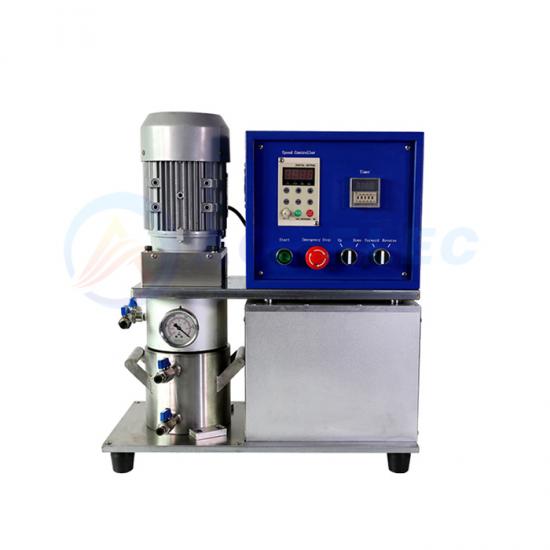
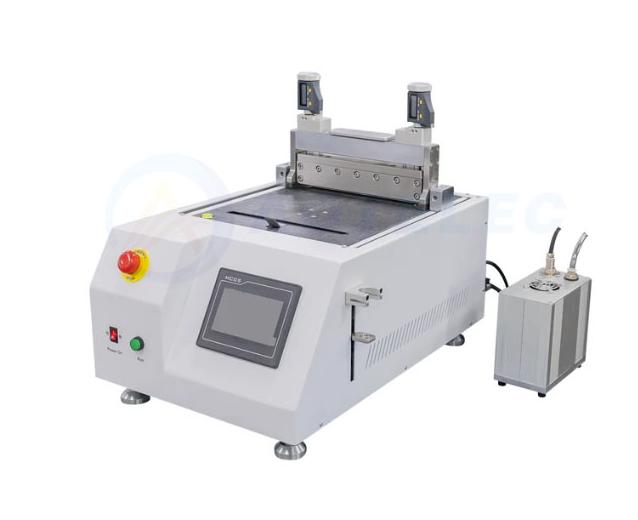
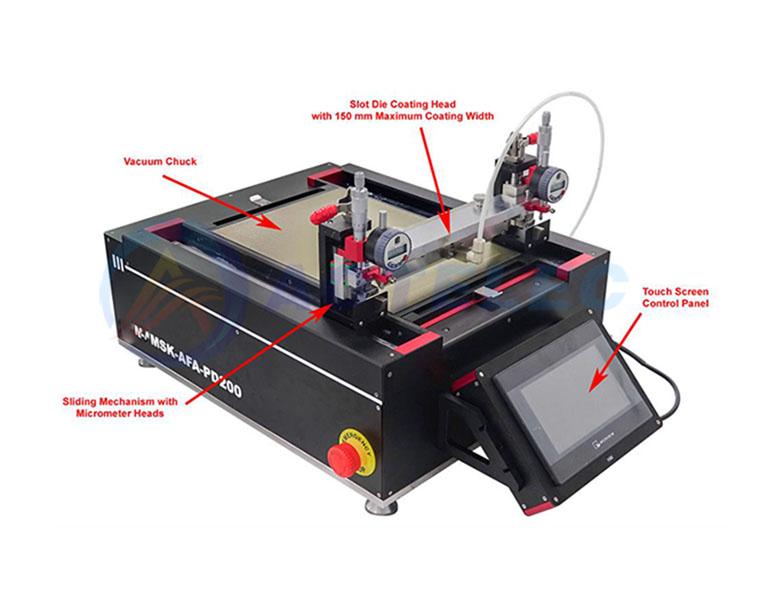
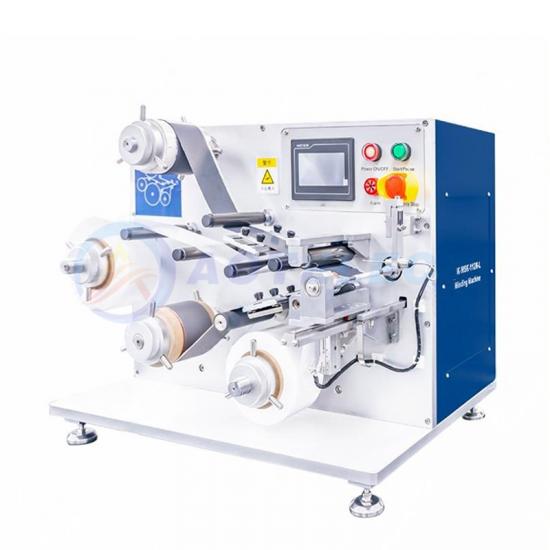
battery winding machine

2. Working Principle of Pouch Battery Winding Machines

The winding process involves four sequential stages, each governed by precise mechanical and electronic controls:

Stage 1: Material Preparation and Feeding

Before winding begins, electrode sheets and separators are loaded onto unwinding reels. Each reel is equipped with a tension sensor that feeds real-time data to the machine’s control system. Electrodes are pre-cut to specific lengths (ranging from 10cm for consumer electronics to 2 meters for EV batteries) and feature tab extensions—metal strips that connect the jelly roll to the battery’s external terminals. Separators, which are wider than electrodes to prevent edge contact, are fed from separate reels and positioned to fully encapsulate the electrode layers.


Stage 2: Initial Layer Alignment

The winding process starts with a mandrel—a cylindrical core that rotates to form the jelly roll. The leading edges of the positive electrode, separator, and negative electrode are precisely aligned at the mandrel’s surface using optical sensors and servo motors. This initial alignment is critical: the machine adjusts the position of each layer within ±0.02mm using feedback from cameras that capture high-resolution images of the material edges. Once aligned, the mandrel begins rotating at a controlled speed (500–2,000 RPM for industrial machines), pulling the layers into a tight spiral.

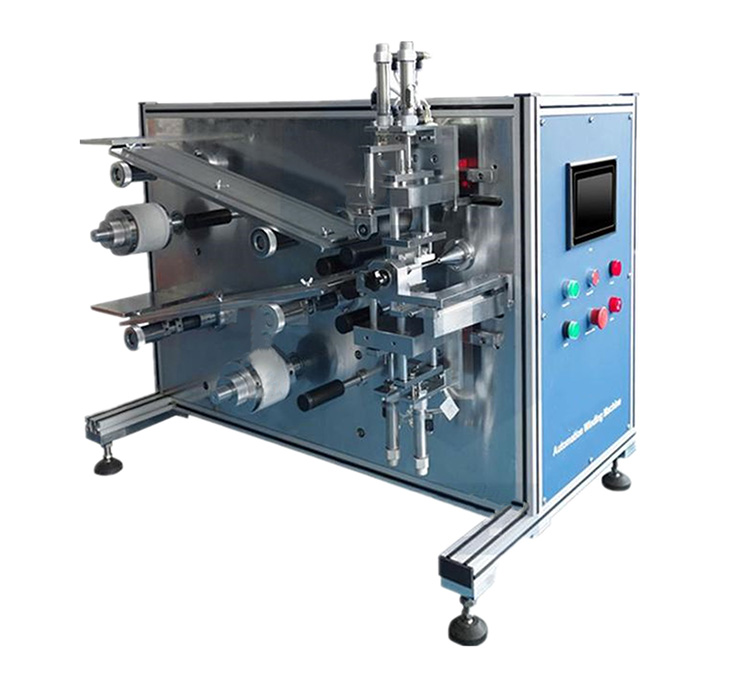
battery winder

Stage 3: Dynamic Tension Adjustment

As the jelly roll grows, the machine’s tension control system modulates the force applied to each unwinding reel. Tension is typically maintained between 5–20N, with separators requiring lower tension (5–10N) to avoid damage and electrodes needing higher tension (10–20N) to ensure tight packing. Advanced systems use proportional-integral-derivative (PID) controllers to adjust tension 100 times per second, compensating for changes in reel diameter and material stiffness. Some high-end machines also integrate torque sensors on the mandrel to monitor jelly roll density, making real-time adjustments to prevent over-compression or looseness.


Stage 4: Cutting and Jelly Roll Extraction

Once the jelly roll reaches the target diameter (determined by the battery’s size and capacity), the winding machine stops rotation. A precision cutter trims the excess electrode and separator material, and a heating element seals the separator’s edge to prevent layer unraveling. The mandrel then retracts, and the finished jelly roll is ejected onto a conveyor belt for subsequent processing—including electrolyte injection, pouch sealing, and formation cycling. Throughout this stage, barcode scanners label each jelly roll with production data (e.g., winding time, tension settings, alignment accuracy) for quality control tracking.


3. Key Technical Parameters and Innovations

Winding machine performance is defined by several critical parameters, including winding speed, alignment accuracy, tension control range, and jelly roll diameter tolerance. Industrial machines typically operate at 10–30 m/min, with alignment accuracy of ±0.05mm and diameter tolerance of ±0.1mm. Laboratory machines prioritize precision over speed, offering alignment accuracy of ±0.02mm for small-batch prototyping.

Recent innovations have enhanced winding machine capabilities to meet the demands of next-gen pouch batteries:

Dual-Mandrel Design: Industrial machines now feature two mandrels that alternate between winding and extraction, doubling production efficiency without sacrificing precision.

Solid-State Battery Compatibility: Modified winding machines with lower tension settings and heated mandrels handle the thicker, stiffer separators used in solid-state pouch batteries, ensuring uniform layer integration without damaging solid electrolytes.

Their ability to align layers with micron precision, control tension dynamically, and adapt to diverse production needs directly influences battery performance, safety, and scalability. As the industry shifts toward higher energy density and safer battery chemistries—such as silicon anodes and solid electrolytes—winding machines will continue to evolve, incorporating advanced sensors, AI controls, and specialized designs. For researchers and manufacturers alike, mastering the science of winding machines is key to unlocking the full potential of pouch batteries in powering the future of electrification.

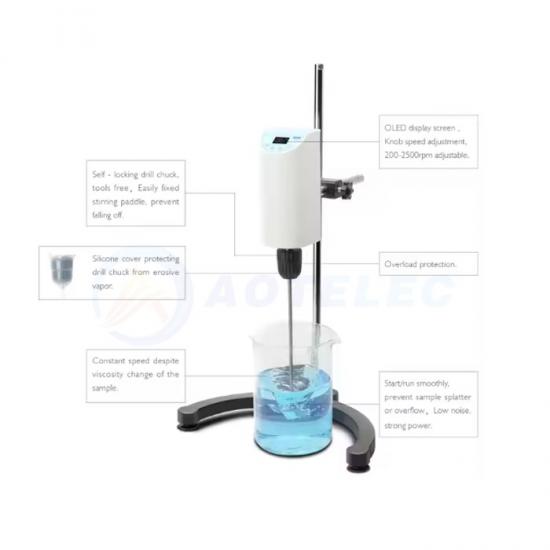
What is a vacuum mixing equipment for battery raw materials?

1. Introduction

In the lithium-ion battery manufacturing process, the mixing quality of electrode pastes directly affects the electrochemical performance and cycle stability of the battery. Meanwhile, the mixing uniformity of functional materials such as ceramic materials is crucial for their subsequent application effects. Traditional mixing equipment tends to entrap air during operation, resulting in problems such as insufficient material density and poor fillability, which restrict the improvement of product performance. Therefore, the development of laboratory-scale mixing equipment with vacuum environment control and high-efficiency dispersion capabilities has become an important research direction in the field of material preparation. The vacuum mixing equipment designed in this paper addresses the needs of small-batch material processing in laboratories, balancing dispersion efficiency, operational convenience, and space adaptability, thus providing technical support for experimental research on related materials.

2. Equipment Structure and Core Features

2.1 Sealing Structure Design

The equipment adopts a soft sealing process, and through the optimized design of the sealing contact surface, excellent sealing performance is achieved. This design ensures the stability of the vacuum environment during the mixing process, effectively preventing air infiltration and laying a foundation for bubble-free mixing.

2.2 Power Regulation System

The mixing power unit is equipped with a gearbox and a variable-frequency speed control module, which can flexibly adjust the stirring speed according to the physical properties of different materials (such as viscosity, particle size, etc.). The application of variable-frequency speed control technology enables the equipment to adapt to the mixing needs of diverse materials, ensuring sufficient dispersion of high-viscosity materials while avoiding splashing of low-viscosity materials caused by excessive stirring speed.

2.3 Optimization of Stirring Mechanism

A double-blade structure design is adopted. By reasonably planning the blade angle and arrangement, the shearing and convection effects of materials are enhanced, realizing rapid and uniform mixing of pastes. The double-blade design not only improves mixing efficiency but also reduces material residue in the container, increasing material utilization.

2.4 Compact Layout

The equipment adopts an overall miniaturized design. On the premise of ensuring core functions, the overall dimensions are compressed to the maximum extent, featuring a small footprint and strong space adaptability. At the same time, the equipment has a simple appearance and an intuitive operation interface, facilitating installation, commissioning, and daily maintenance in laboratory scenarios.

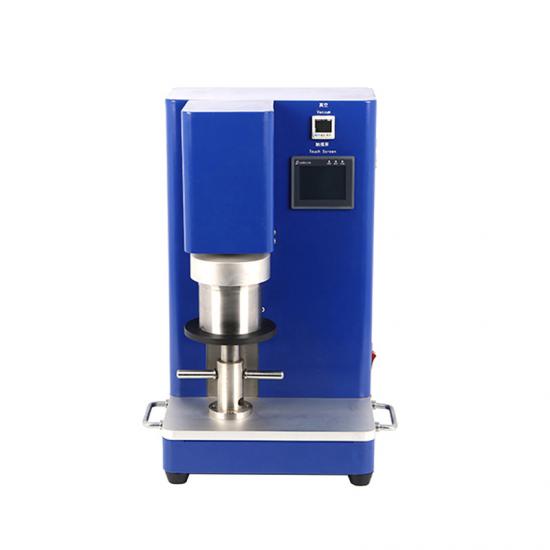
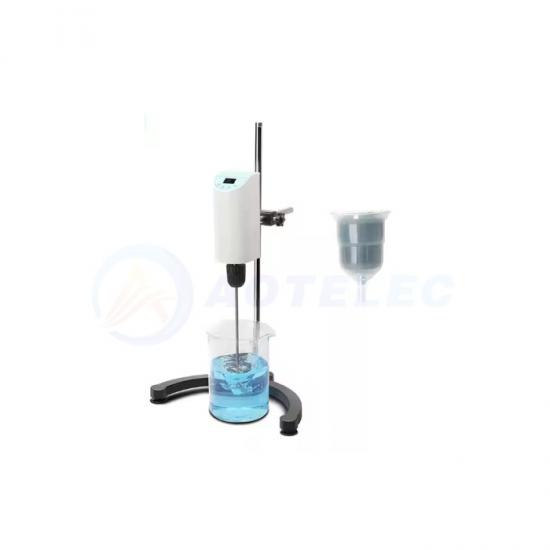
Vacuum Mixing Machine

3. Key Technical Parameters

The core technical parameters of the equipment are optimally designed to match the needs of small-batch material processing in laboratories, with specific parameters as follows:

u Input Voltage: AC220V / AC110V dual-voltage adaptation, meeting the power supply environments of different laboratories;

u Rated Power: 150W, ensuring mixing power while achieving low-energy operation;

u Stirring Speed: 0~320 RPM, supporting variable-frequency stepless speed regulation to adapt to diverse materials;

u Vacuum Degree: Up to -90~-95Kpa, providing a stable vacuum environment for bubble-free mixing;

u Material Container: Equipped with a 150ml stainless steel vacuum tank, the material has corrosion-resistant and high-temperature-resistant properties, and can be customized with containers of different volumes according to experimental needs;

u Mixing Time: 0~9999 minutes, freely adjustable to meet the mixing process requirements of different materials;

u Oscillation Mode: Supporting stepless speed regulation oscillation, further enhancing the dispersion effect of materials;

u Overall Dimensions: Approximately 330mm×310mm×510mm, with a compact structure to save laboratory space;

u Equipment Weight: Approximately 20kg, facilitating movement and position adjustment.

Vacuum Mixing Machine

4. Application Scenarios and Advantages

This equipment is mainly suitable for laboratory-scale mixing of lithium-ion battery electrode pastes, and can also be widely used in various scenarios requiring bubble-free and high-uniformity mixing, such as various ceramic materials and functional coatings. Its core advantages are reflected in the following aspects:

u Mixing operations in a vacuum environment effectively eliminate bubbles in materials, significantly improving the fillability and density of materials, and providing high-quality raw materials for subsequent processing processes (such as coating, molding, etc.);

u The combination of variable-frequency speed regulation and double-blade design realizes the coordinated optimization of mixing efficiency and mixing quality, shortening the experimental cycle;

u The miniaturized, lightweight design and dual-voltage adaptation capability give it good versatility and scenario adaptability, meeting the diverse needs of different laboratories;

u The equipment provides a one-year limited warranty and lifetime technical support, ensuring the continuity and stability of experimental work.


The laboratory-scale small vacuum mixing equipment designed in this paper achieves bubble-free, high-efficiency, and high-uniformity material mixing through the integrated application of key technologies such as optimized sealing structure, variable-frequency speed regulation technology, and double-blade stirring mechanism. Its compact structural design, flexible parameter adjustment capabilities, and wide applicability make it an ideal equipment for laboratory research in fields such as lithium-ion battery materials and ceramic materials. The application of this equipment will help improve the stability and reliability of experimental-level material mixing, providing strong support for performance optimization and process innovation of related materials. In the future, the volume adaptation range of the equipment can be further expanded, and intelligent technologies can be integrated to realize automatic control and data tracing of the mixing process, thereby improving the intelligence level of the equipment.

Solar PV Mounting Clamps A Comprehensive Guide What Are Solar Clamps? |ART SIGN

PV mounting clamps are essential components that secure solar panels to mounting rails. They come in two main types:
· Mid Clamps: Used between adjacent panels to secure both simultaneously and maintain uniform spacing (typically 19mm) for aesthetics and thermal expansion


· End Clamps: Used at array edges to secure the first and last panels to rail ends


Each solar panel typically requires at least 4 clamps for proper fixation.
Innovation: Solar Mounting Clamps with Integrated Grounding Pins

Traditional grounding methods rely on additional clips or copper wires, requiring precise installation and increasing material and labor costs.


The latest innovation integrates grounding pins directly into mid and end clamps. As the clamp tightens, stainless steel or copper alloy pins pierce through the panel frame's anodized surface, creating a direct conductive path to the solar racking system. This revolutionary design combines mechanical fixation and electrical bonding into one single step.


module clamps with grounding pins


Key Advantages of Integrated Grounding Clamps
1. Reduces Material & Labor Costs
Eliminates separate grounding hardware, reduces installation steps, minimizes human error, and lowers overall project costs.
2. Significantly Shortens Installation Time
Grounding completes instantly during clamping—no extra operations required. For large commercial or utility-scale projects, this accelerates timelines and improves efficiency.
3. Improves Electrical Conductivity & Safety
The pin ensures low contact resistance and stable grounding path, outperforming traditional clips. This minimizes grounding failure risks, especially critical for high-voltage systems.
4. Enhances Long-Term Durability
High-grade corrosion-resistant materials (stainless steel, aluminum alloys) withstand harsh environments—coastal, desert, or snowy regions. This ensures reliable performance throughout the system's 25+ year lifespan.


Certifications & Selection Guide

TUV, SGS, CE, ISO certification is crucial—it validates that products pass rigorous bonding path resistance tests and meet safety standards for your markets.


adjustable end clamps with grounding pin
black end clamp with grounding pin


When selecting clamps, consider:
· Compatibility: Ensure fit with your panel thickness and rail design
· Application: Match clamp type to your installation—rooftop, ground-mount, or carport
· Manufacturer: Choose proven suppliers with in-house R&D, production capabilities, and global experience
Conclusion


Module clamps with integrated grounding pins represent a significant advancement in PV installation technology. They offer faster installation, lower costs, improved safety, and greater durability. Whether for residential rooftops or utility-scale solar farms, choosing the right clamps—with proper certifications and compatibility—ensures a reliable, long-lasting solar mounting system.
For any inquiry for solar panel mounting systems, please contact us, E-mail: sales@artsign.net.cn, Whatsapp / Wechat Skype: +86 18030235875, thanks.


BAPV vs. BIPV Roof Mounting Systems Key Differences

As sustainable architecture grows in popularity, photovoltaic (PV) roof systems are gaining more attention. Here's a quick comparison between BIPV (Building-Integrated Photovoltaics) and BAPV (Building-Applied Photovoltaics), two popular solar roof mounting systems.


1. What are BIPV and BAPV?


In-Roof Solar Mounting System Tile Roof Solar Mounting System
BIPV Mounting System BAPV Mounting System


BIPV roof mounting system: Solar panels are integrated into the roof structure, becoming part of the roof while offering protection and aesthetic value.

BAPV roof mounting system: Solar panels are mounted on top of the existing roof, serving as an additional energy solution without integrating into the roof structure.


2. Key Differences


Integration: BIPV seamlessly blends into the roof, while BAPV is mounted on top of the roof.

Installation: BIPV installation is more complex and costly, as it requires coordination with building design; BAPV is easier and more cost-effective.

Functionality: BIPV offers additional functions like waterproofing, while BAPV is focused solely on power generation.


3. Applications


BIPV: Ideal for new builds or large-scale renovations, where aesthetics and energy efficiency are priorities.

BAPV: Great for existing buildings, offering an easy and cost-effective solar solution.


Explore More


BIPV and BAPV each have unique advantages, and the right choice depends on your project needs. To learn more about our solutions, visit our website for further details.  


Get In Touch

Email: info@winsunsolar.com

WhatsApp :  +86 18805065452 / +86 15005991307

Commercial and Industrial Parking Areas Can Do More Than Just Providing Parking

In the global transition towards renewable energy, expansive parking lots—at logistics centres, manufacturing plants, retail hubs, hospitals, and public institutions—are becoming strategic assets. Commercial and industrial (C&I) parking areas can do more than just providing parking; they represent the ideal foundation for high-performance solar infrastructure.

Solar Carport Mounting System


Maximising Asset Utility with Solar Carport Mounting Systems

For businesses and organisations managing large-scale parking footprints, integrating a solar carport mounting system is an efficient infrastructure solution for sites looking to generate on-site PV power while protecting their assets. As a professional mounting supplier, we focus on bespoke engineering that transforms underutilised space into productive energy hubs without compromising the core functionality of the parking facility.

Engineering for Diverse Commercial & Public Sectors

The strength of a C&I solar solution lies in its structural adaptability. A professional mounting system must be versatile enough to be adapted to different site conditions and specific project requirements across various sectors:

  • Tailored Logistics Solutions: For heavy-duty sites such as warehouses and distribution centres, we offer specialised structures for articulated lorry parking. These designs feature the necessary column spacing and clearance adapted to typical logistics parking layouts and operational requirements.
  • Scalable Commercial & Institutional Canopies: Our aluminum solar carports provide sleek, durable, and functional coverage for shopping centres, office complexes, hospitals, and local councils. These systems enhance the experience for employees, patients, and customers by providing weather-protected parking while generating clean energy.
  • Industrial Depot Integration: By utilising existing industrial staging areas or depot spaces, our systems enable high-yield energy production and long-term fleet protection, ensuring the infrastructure is as robust as the operations it supports.


Reliable Infrastructure for the Future

A well-engineered solar carport is more than just a frame; it is a long-term infrastructure investment. Whether your project demands high-clearance for commercial fleets or high-end aesthetics for public healthcare facilities, the right mounting system ensures a seamless fit with your operational needs and international structural standards.


Get Expert Advice for Your Project

Ready to unlock the full potential of your facility’s parking space? Our team is here to help you design a bespoke, high-performance mounting solution.


Explore our full range of solar carport mounting systems or contact us directly for a technical consultation:

Email: info@winsunsolar.com

WhatsApp: +86 18805065452 / +86 15005991307 


Discover the 4 Key Advantages of Winsun's Mini Rail Solar Mounting System

In the realm of solar panel installation, Winsun's Mini Rail system has garnered acclaim for its unique design and exceptional performance. Here are the four primary advantages of this system:


1. Short Rail Installation for Cost Savings:

Winsun's Mini Rail adopts a short rail design, not only reducing material costs but also providing a more economical choice for solar panel installation. 


2. Simple Structure, Easy and Fast Installation:

The Mini Rail system features a simple yet efficient structural design, making the installation process convenient and swift. This not only reduces construction time but also enhances overall installation efficiency, ensuring projects can be operational sooner.


3. Pre-installed EPDM Rubber Pads for Enhanced Waterproof Performance:

To ensure waterproof performance, all Winsun Mini Rails come pre-installed with high-quality EPDM rubber pads before leaving the factory. This pre-installation measure effectively prevents potential leakage issues, providing assurance for the system's reliability.


4. Customizable Rail Lengths for Flexible Adaptation to Various Metal Roofs:

Winsun's Mini Rail system offers customizable rail lengths, enhancing flexibility to adapt to various types of metal roofs. This personalized design ensures the system seamlessly matches project requirements.


27mm Height Mini Rail Kit

30mm Height Mini Rail Kit

40mm Height Mini Rail Kit

60mm Height Mini Rail Kit

  27mm height mini rail for metal roof solar mounting 30mm height mini rail for metal roof solar mounting 40mm height mini rail for metal roof solar mounting 60mm height mini rail for metal roof solar mounting
Item NO. WS-R27-MINI WS-R30-MINI WS-R40-MINI WS-R60-MINI
Material

Aluminum 6005-T5,SUS 304 & EPDM

Aluminum 6005-T5,SUS 304 & EPDM

Aluminum 6005-T5,SUS 304 & EPDM

Aluminum 6005-T5,SUS 304 & EPDM

Length 385mm 120mm 120mm 385mm
BOM 385mm R27 mini rail*1,tapping screw*4,EPDM rubber pad*2 120mm R30 mini rail*1,tapping screw*3,EPDM rubber pad*1 120mm R40 mini rail*1,tapping screw*3,EPDM rubber pad*1 385mm R60 mini rail*1, tapping screw*4,EPDM rubber pad*2
Application

Trapezoidal sheet metal roof

Corrugated sheet metal roof

Sandwich panel roof

Trapezoidal sheet metal roof

Sandwich panel roof

Trapezoidal sheet metal roof

Sandwich panel roof

Trapezoidal sheet metal roof

Corrugated sheet metal roof

Sandwich panel roof


In summary, Winsun's Mini Rail solar installation system stands out in the industry for its innovation, cost-effectiveness, and flexibility. Whether in cost savings or installation efficiency, this system demonstrates outstanding performance, offering reliable support for the successful implementation of solar projects.


For more information about Winsun's Mini Rail system, feel free to visit our official website or contact our professional team.


Web: www.winsunsolar.com 

Contact us: info@winsunsolar.com

Enhancing Your Carport with a Superior Drainage System

Welcome to our solar carport upgrade plan! Today, we'll explore how opting for the additional accessory of a waterproof drainage system, through the addition of rain gutters and pipes, can elevate the performance of your canopy, presenting a more aesthetically pleasing and functionally robust canopy experience.


Solar Carport Drainage System waterproof solar carport system PV carport system with waterproof function

1. Smoother Drainage:

The drainage system of a waterproof canopy primarily includes rain gutters and pipes. Through these features, rainwater can be directed more swiftly and efficiently, avoiding the nuisance of standing water. Opting for high-performance rain gutters and pipes ensures smoother drainage, reducing the various issues caused by the accumulation of rainwater.


2.Aesthetic Enhancement:

Beyond functionality, the addition of rain gutters contributes to the overall aesthetic appeal of the carport. Thoughtfully designed drainage systems can seamlessly integrate into the structure, enhancing the carport's cleanliness and introducing a touch of contemporary style.


3.Customizable Options:

With a variety of drainage system designs available, users can opt for customization to meet specific design and functional requirements. Choosing different types of rain gutters and pipes provides flexibility in tailoring the system to suit individual preferences.


In conclusion, the addition of a drainage system, to your solar carport brings multifaceted benefits. Beyond the practical advantages of efficient water drainage, the aesthetic enhancement contributes to an overall superior carport experience. Consider upgrading your carport with these optional features to enjoy a more functional, visually appealing, and durable outdoor space.


For more information about solar carport drainage system, feel free to visit our official website or contact our professional team.

Get Your Torque Right Key to a Reliable Solar Mounting System

When it comes to solar mounting systems, setting the correct bolt torque is crucial. Though it might seem like a minor detail, it plays a significant role in the safety and durability of your solar installations. Let’s explore why getting the bolt torque right matters and how it affects your solar mounting system’s performance.


What is Bolt Torque and Why Does It Matter?


Bolt torque refers to the amount of force applied when tightening a bolt. This force determines how securely the bolt holds the components of your solar racking system together. Proper torque is essential to ensure that everything stays in place and functions correctly.


Why Proper Torque Setting is Important


Ensures Safety: Proper torque helps prevent bolts from being too loose or too tight. Loose bolts can cause instability, while over-tightening might damage components. Both situations can compromise the safety of your solar panel mounts. 🚧

Improves Stability: Correct torque settings distribute loads evenly across the solar mounting structure. This prevents stress from concentrating in one spot, reducing the risk of failure and ensuring a stable installation. ⚙️

Increases Longevity: Applying the right amount of torque helps prevent excessive wear on both bolts and mounting parts. This ensures your solar panel racking system lasts longer and performs better over time. ⏳


How to Set the Right Torque for Solar Mounting Components


Follow Specifications: Always refer to the manufacturer’s guidelines or industry standards for the correct torque settings for your solar mounting system components. 📋

Use the Right Tools: A calibrated torque wrench is essential for setting the correct torque. Regularly check and calibrate your tools to ensure accuracy. 🔧

Consider Environmental Factors: Temperature and humidity can affect torque requirements. Adjust your settings accordingly to keep your solar racking solutions working optimally. 🌡️


Ensuring Reliability through Proper Torque Management


While getting the bolt torque right may appear to be a minor detail, it is vital for the safety and longevity of your solar mounting system. Proper torque prevents failures and ensures optimal performance. By following the correct specifications and using the right tools, you can significantly enhance the reliability of your solar installations.


solar mounting structure installation


Let’s Explore Your Solar Mounting Challenges!


We invite you to reach out and discuss any challenges you may face during the solar installation process, particularly regarding mounting systems. Contact us to collaborate and find effective solutions for your projects!

Website: www.winsunsolar.com

Email: info@winsunsolar.com

We look forward to hearing from you!

How to Request Free Samples of Our Solar Mounting Brackets – Step-by-Step Guide

We're happy to offer free samples to potential partners who are exploring our PV mounting structures.

Here's a quick guide to help you understand how to request and receive your samples.


Step 1 – Submit Your Basic Information

📌 Required fields: your email, company name, customer type, and interested products.

Solar Panel Mounting Structure

Please fill out the initial request form with your contact information and tell us what type of products you're interested in.

If you've already specified the samples you need (e.g., product name,item NO.), we'll skip Step 2 and send you the shipping invoice and sample list directly.


Step 2 – Select Your Samples (Optional)

If you didn't mention specific items in the first form, we'll send you a follow-up email with a link to this sample selection page.

Solar Panel Mounting Bracket

Simply tick the items you want to test.


Step 3 – Receive Shipping Invoice & Pay Shipping Fee

📦 All samples are free of charge.

🚚 You only need to cover the shipping cost, which depends on your location and package weight.

Solar Mounting System China

Once your selection is confirmed, we’ll calculate the shipping fee and send you a payment link or Proforma Invoice. After the fee is received, your samples will be dispatched within 1–3 business days.


Frequently Asked Questions

Q: Do I have to pay for the samples?

A: The samples themselves are free. You only need to pay for shipping.

Q: How long does it take to ship?

A: Delivery time is usually 5–10 business days in most regions, but may vary depending on the destination and shipping method.

Q: Can I use my own courier account?

A: Yes, just let us know your courier and account number during the process.

Q:Do you offer customization for samples?

A:Standard samples are sent as-is, but if you need specific hole spacing, finish, or branding, please mention it. We’ll confirm whether customization is feasible at sample stage.


Need Help?

Still have questions?

📩 Contact us at info@winsunsolar.com or reach out via WhatsApp:

+86 188 0506 5452 / +86 150 0599 1307

👉 Ready to apply? Click here to request your free solar mounting bracket samples.